
The Early Churches
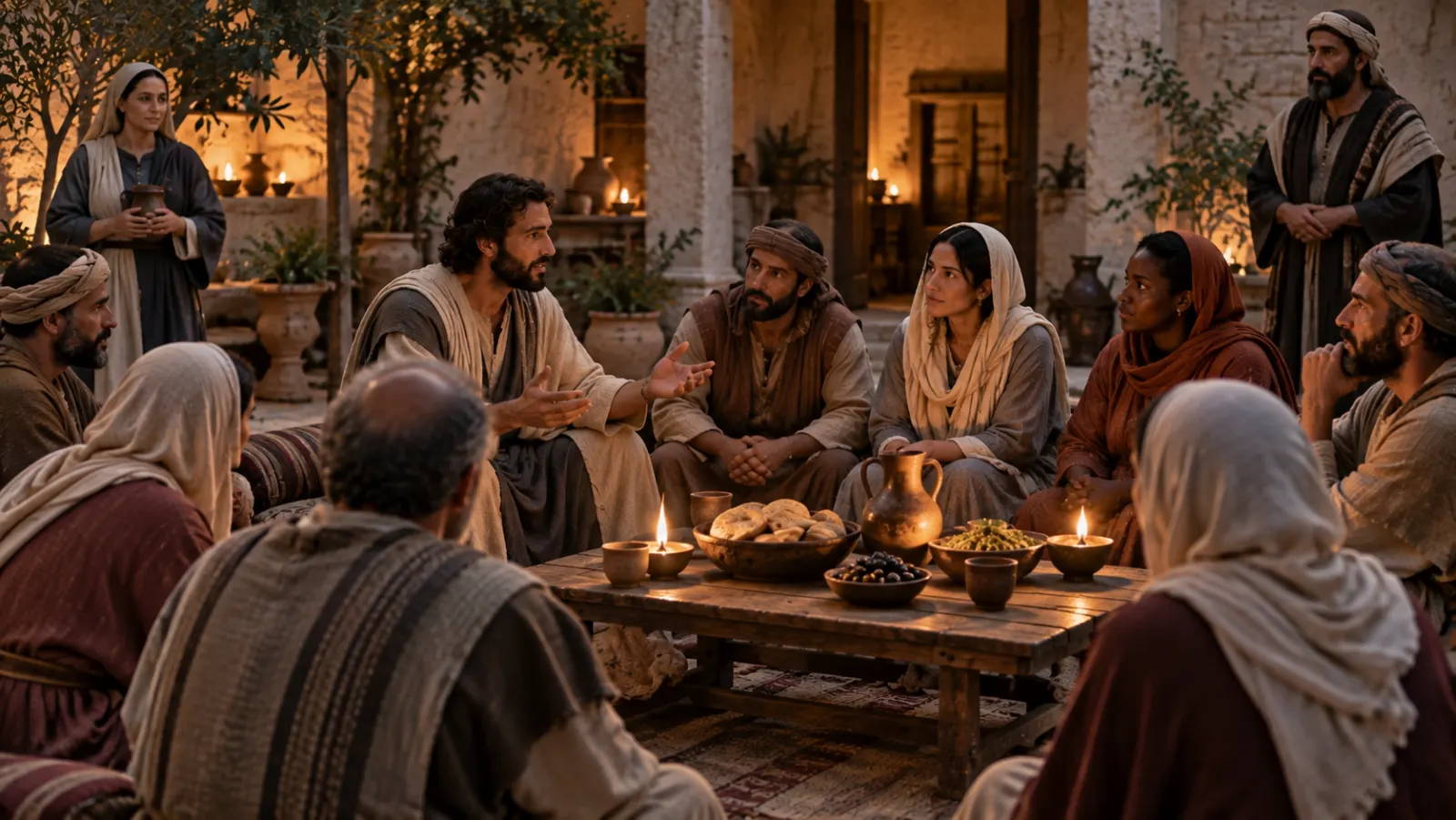
Antioch: Why the Name “Christian” Appeared There First
Acts says Jesus-followers were first called “Christians” in Antioch. The label emerged in a cosmopolitan city where Jewish and Gentile believers were learning to share a community, and where the church would soon become a major sending center for mission.
Read the article →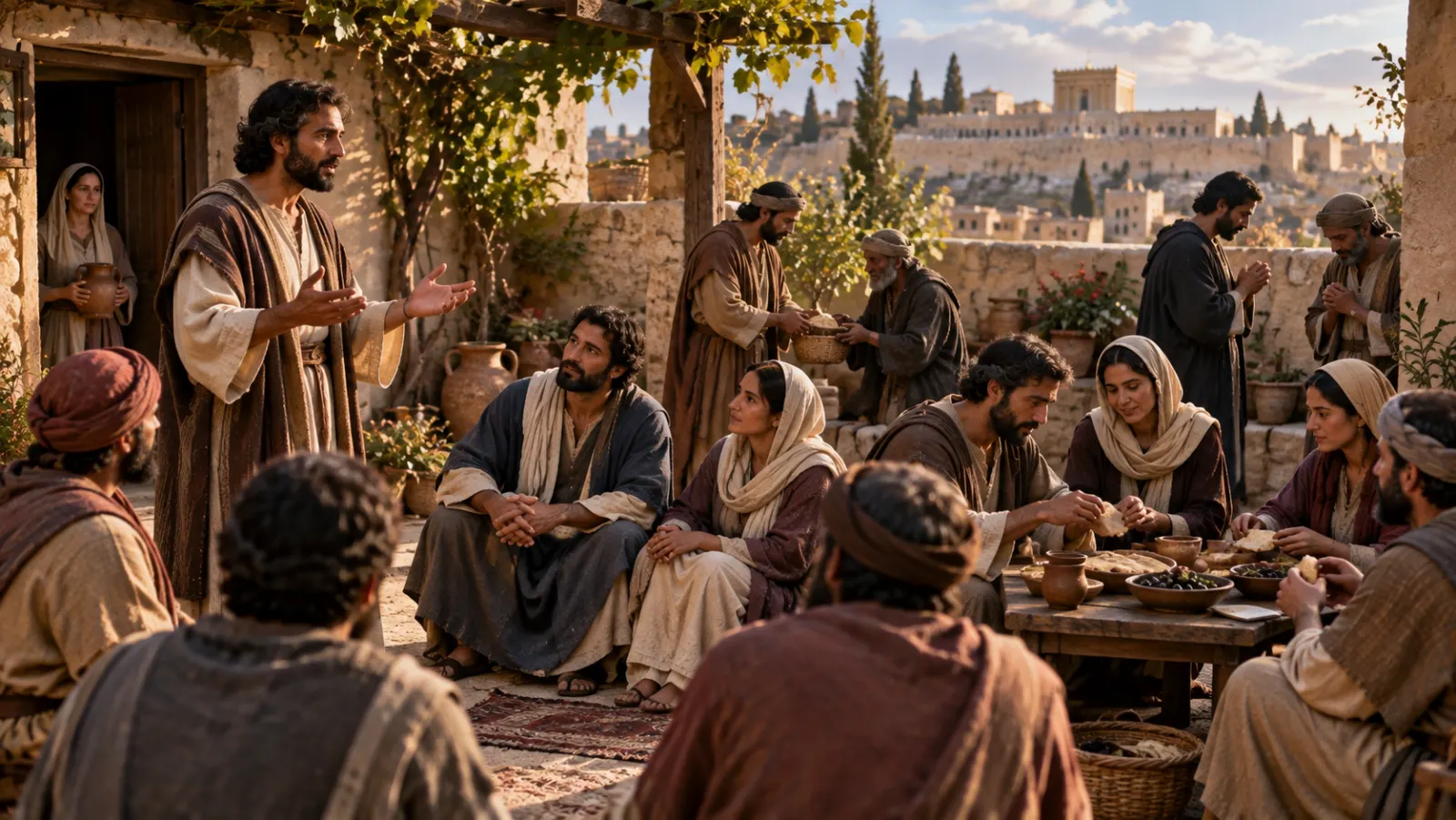
Before Church Buildings: Where Did the First Christians Actually Meet?
The New Testament repeatedly mentions believers gathering in homes, but historians caution against imagining one universal “house-church model.” The earliest Christ-followers met wherever community, hospitality, safety, and space allowed.
Read the article →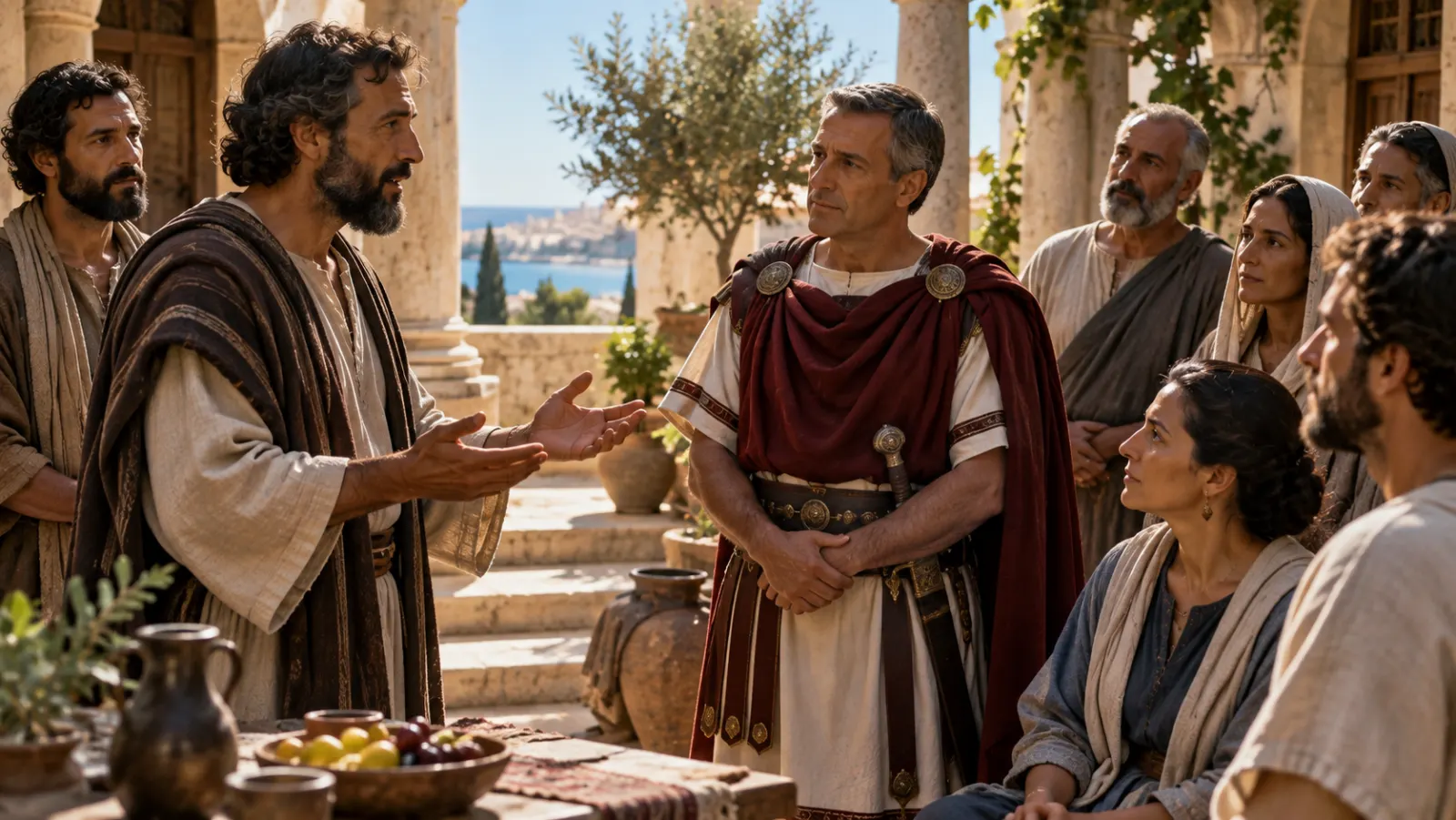
Cornelius and the Gentile Question: The House That Changed the Early Church
Peter’s visit to the Roman centurion Cornelius forces the Jerusalem believers to reconsider who can receive the Spirit, baptism, and table fellowship. The episode becomes a decisive step in the church’s movement from a Jewish messianic community toward a multiethnic body.
Read the article →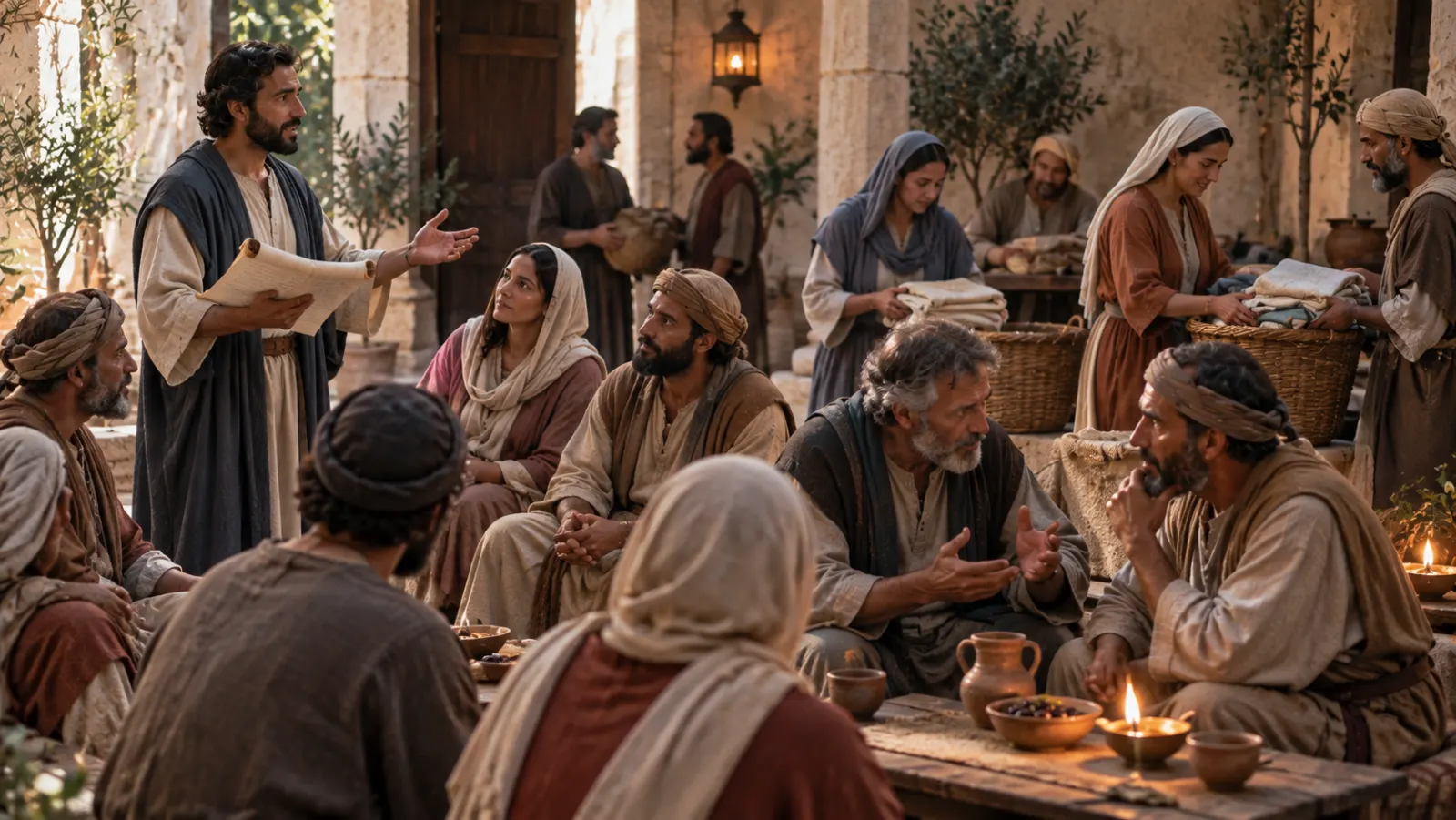
Did the Early Christians Really Sell Everything They Owned?
Acts 2 and 4 describe striking economic sharing in Jerusalem. Reading those summaries alongside the rest of Acts shows a voluntary, need-driven practice that was radical without being a simple first-century version of state communism or a universal rule that every Christian liquidate all property.
Read the article →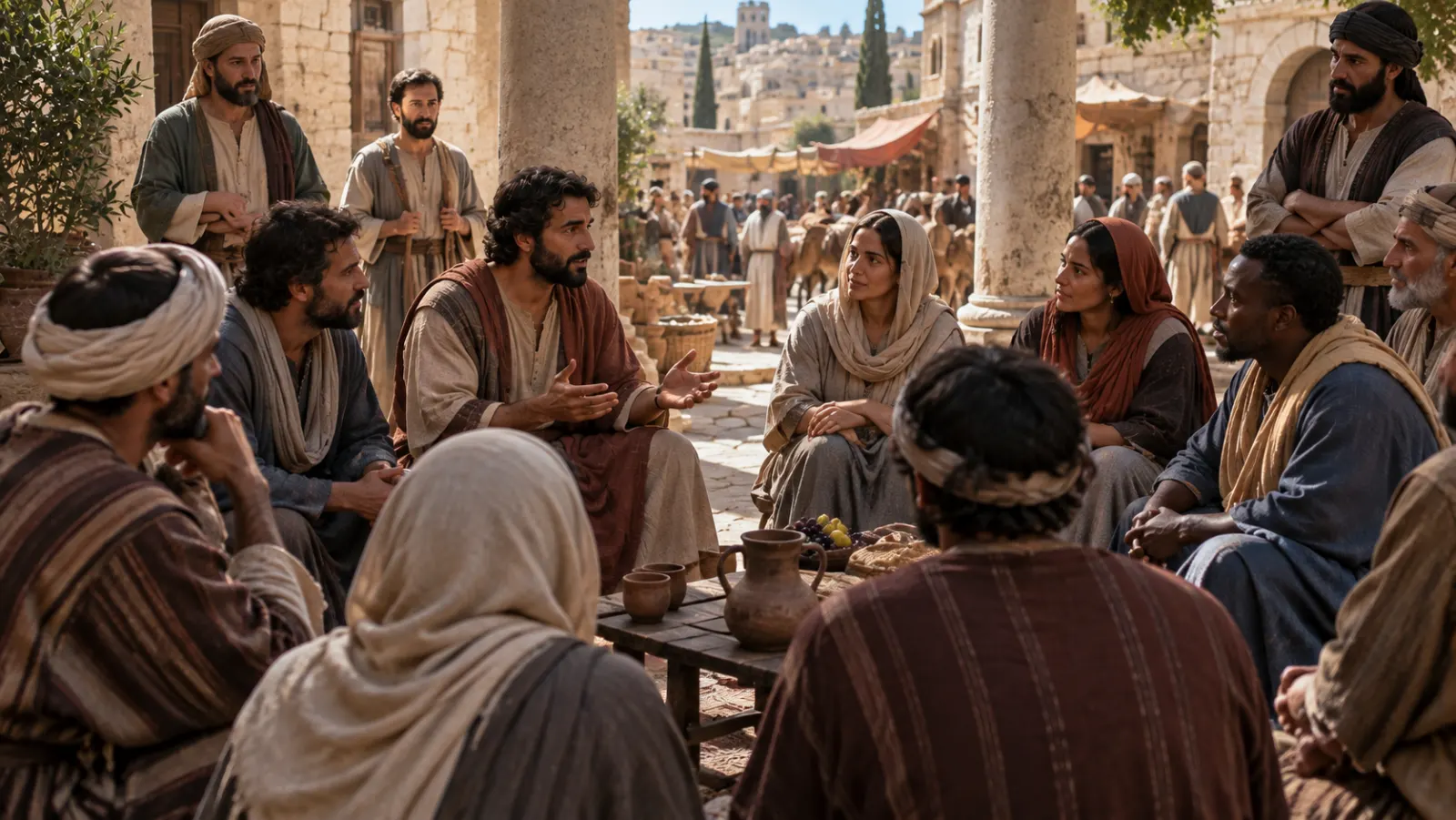
The Jerusalem Council: How the Early Church Handled Its First Major Theological Crisis
The Jerusalem Council did not solve a minor policy question. It addressed whether Gentile believers had to be circumcised and keep the law of Moses in order to belong fully to the people of God. The process combined testimony, debate, Scripture, leadership, and a written decision.
Read the article →
Stephen’s Death Did Not End the Movement: How Persecution Scattered the Early Church
After Stephen is killed, Acts describes severe pressure against the Jerusalem church and the scattering of believers into Judea and Samaria. The story does not romanticize persecution, but it shows how a threatened movement becomes geographically wider.
Read the article →
Were the Early Churches Organized Like Modern Churches?
The earliest churches clearly had recognized leadership, yet the New Testament shows titles and functions developing across different communities. Reading later denominational structures back into Acts can create more certainty than the evidence allows.
Read the article →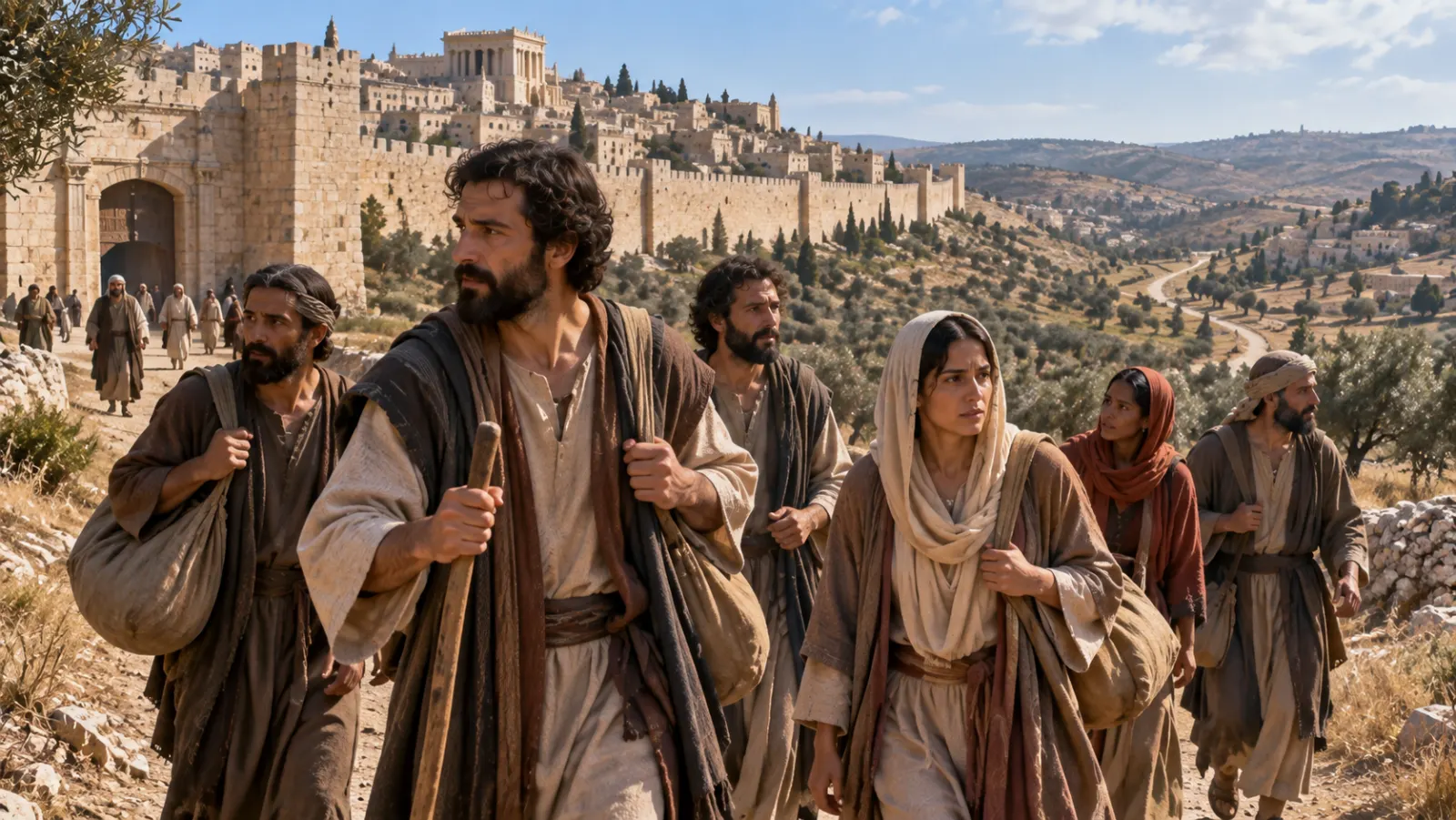
What Did the Jerusalem Church Actually Do Every Day?
Teaching, fellowship, breaking bread, prayers, generosity, temple participation, and meals in homes form Luke’s first sustained portrait of the post-Pentecost church. The picture is inspiring, but it is not a plug-and-play blueprint for a modern Sunday service.
Read the article →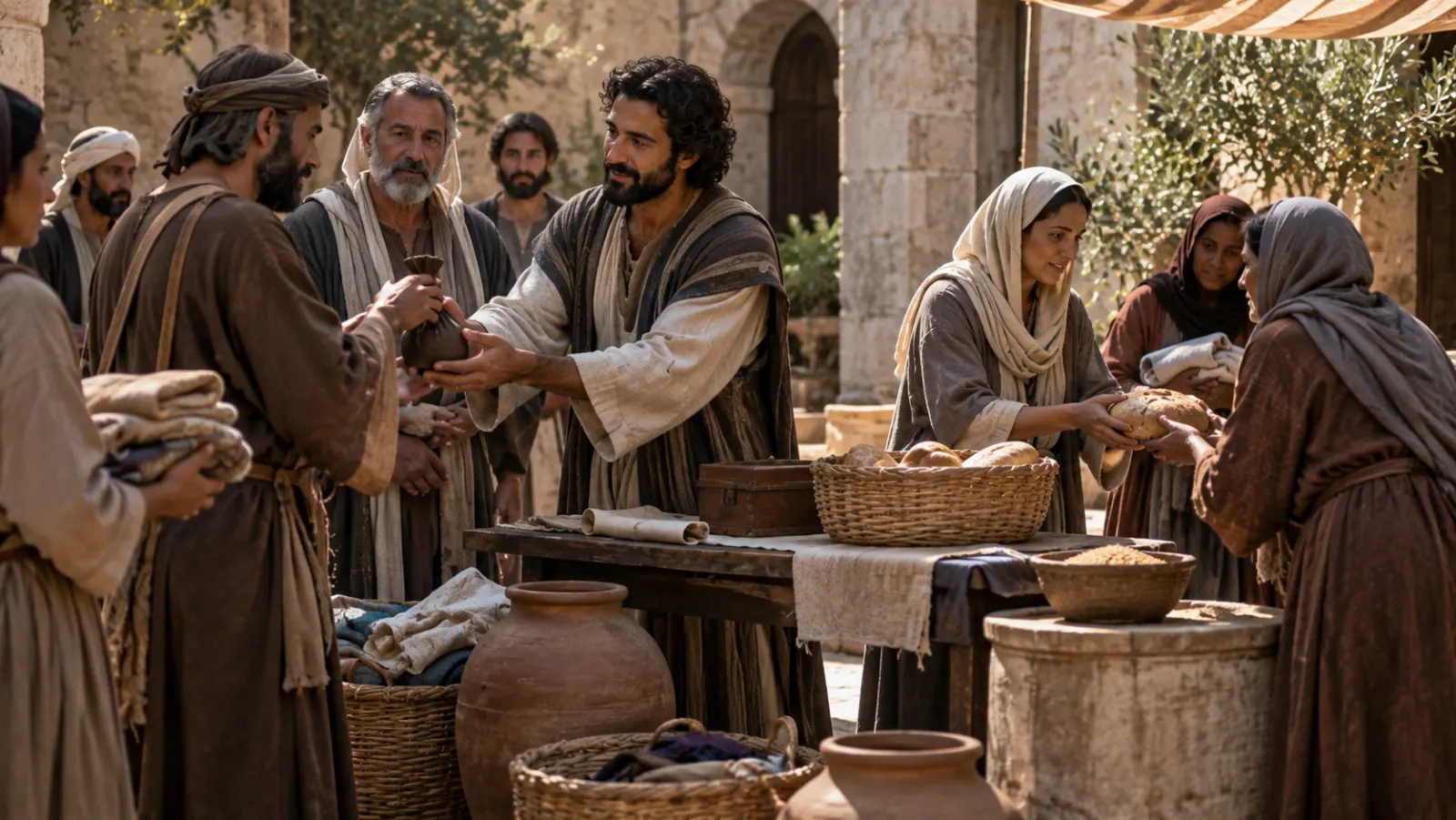
When the Food Program Failed: What Acts 6 Reveals About Conflict in the First Church
Acts 6 describes a complaint by Greek-speaking Jewish believers whose widows were neglected in daily distribution. The episode shows that diversity created real administrative strain and that the church responded by changing leadership rather than dismissing the complaint.
Read the article →
The Women Who Opened Their Homes—and Helped the Early Churches Exist
Acts and the New Testament letters name women such as Mary, Lydia, Prisca, and others whose households became places of prayer, teaching, hospitality, and mission. Their stories complicate any picture of the early church built only around public male speakers.
Read the article →