Peter’s visit to the Roman centurion Cornelius forces the Jerusalem believers to reconsider who can receive the Spirit, baptism, and table fellowship. The episode becomes a decisive step in the church’s movement from a Jewish messianic community toward a multiethnic body.
If you already know that Christianity became a global, overwhelmingly Gentile religion, Acts 10 can feel like a foregone conclusion. Of course Peter will preach to Cornelius. Of course Gentiles will be baptized. The story becomes much more interesting when we refuse to read the ending backward. The earliest Jerusalem believers were Jews confessing Israel’s Messiah. The question of how uncircumcised Gentiles could enter that community was not a minor detail. It touched food, table fellowship, identity, Scripture, covenant, and the shape of God’s people.
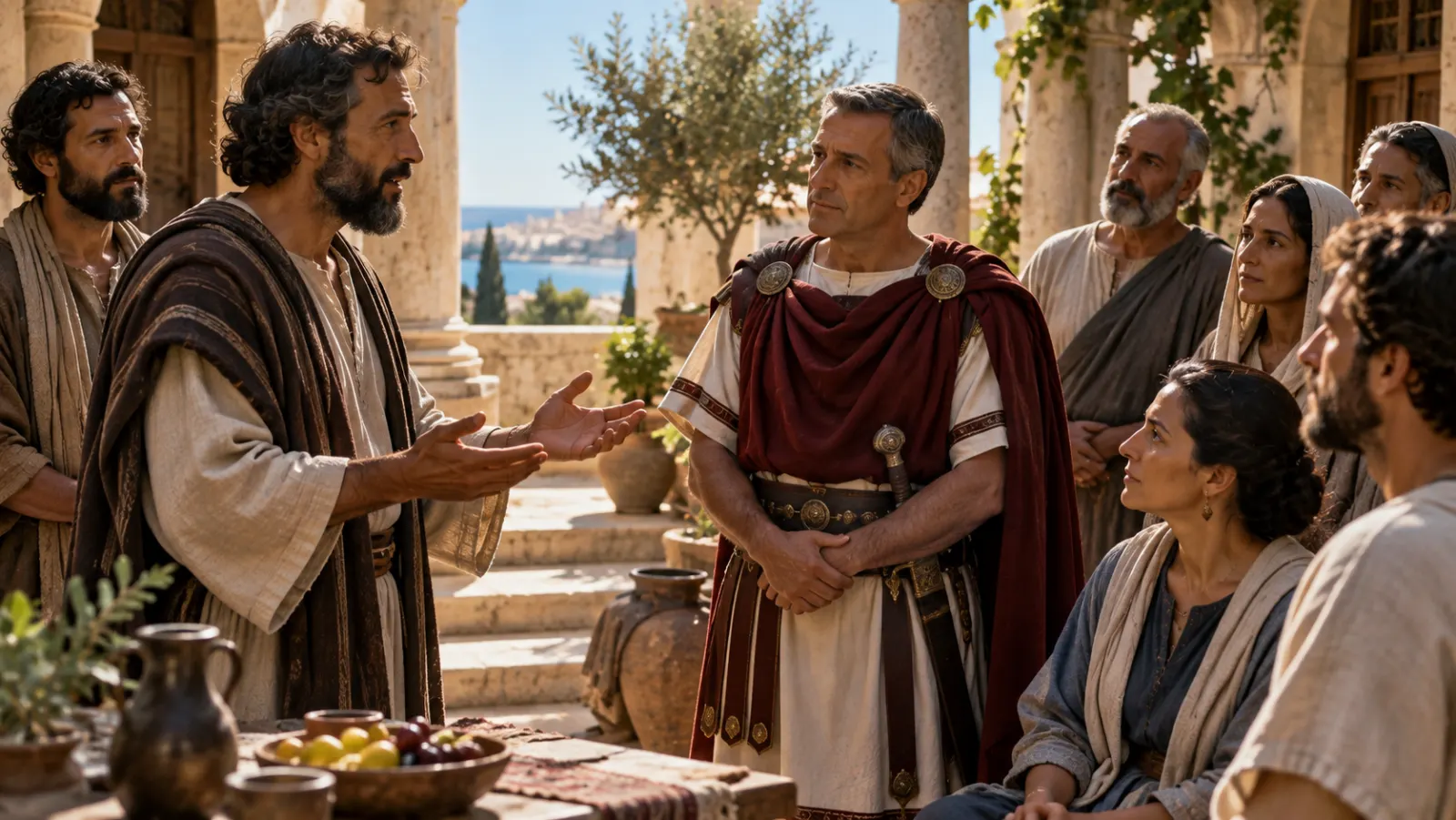
Cornelius is an especially provocative figure to place at the center of that transition. He is a Roman centurion in Caesarea, the administrative center of Roman power in Judea. Acts also describes him as devout, generous, prayerful, and respected. The man represents imperial authority and spiritual openness at the same time. Luke does not make the boundary crossing easy by choosing a culturally neutral outsider.
The story begins with two people being prepared
Cornelius receives a vision telling him to send for Peter. Peter, meanwhile, receives his own unsettling vision involving animals and questions of purity. Working Preacher emphasizes that Peter does not launch this encounter because of personal missionary initiative. God has to prepare both sides. The narrative slows down to show visions, messengers, hospitality, hesitation, and repetition because the boundary at stake matters.
This is not simply a lesson that Peter had been narrow-minded and needed to become nicer. He is navigating serious questions about faithfulness to Jewish identity. Acts wants readers to see that the expansion to Gentiles is not casual abandonment of Israel’s Scriptures. It is presented as a divine initiative that forces a fresh reading of what God is doing through Jesus and the Spirit.
Cornelius is not presented as spiritually empty
Before Peter arrives, Cornelius already prays, gives alms, and fears God. Some scholars use the term “God-fearer” for Gentiles attracted to Jewish worship and ethics without fully converting, though the historical boundaries of such categories varied. Acts at minimum depicts Cornelius as a Gentile whose life is oriented toward Israel’s God before he hears Peter’s message about Jesus.
That detail complicates crude insider-versus-outsider categories. Peter is not bringing the first trace of divine activity into a pagan vacuum. The narrative says God has heard Cornelius’s prayers. Christian mission in this story begins with the discovery that God has already been at work in the person the church was unsure how to receive.
The Spirit arrives before the boundary committee finishes
Peter begins preaching about Jesus, and the Holy Spirit comes upon the Gentile hearers before Peter completes the sequence readers might expect. The Jewish believers who came with him are astonished. Their surprise is one of the story’s most important details. The event does not merely confirm what everyone already agreed. It disrupts expectations among the witnesses.
Peter’s response is practical: if God has given the Spirit, who can withhold water for baptism? The order matters. The church does not create Gentile inclusion and then ask God to bless it. In Luke’s telling, God acts, and the church has to catch up.
The controversy follows Peter home
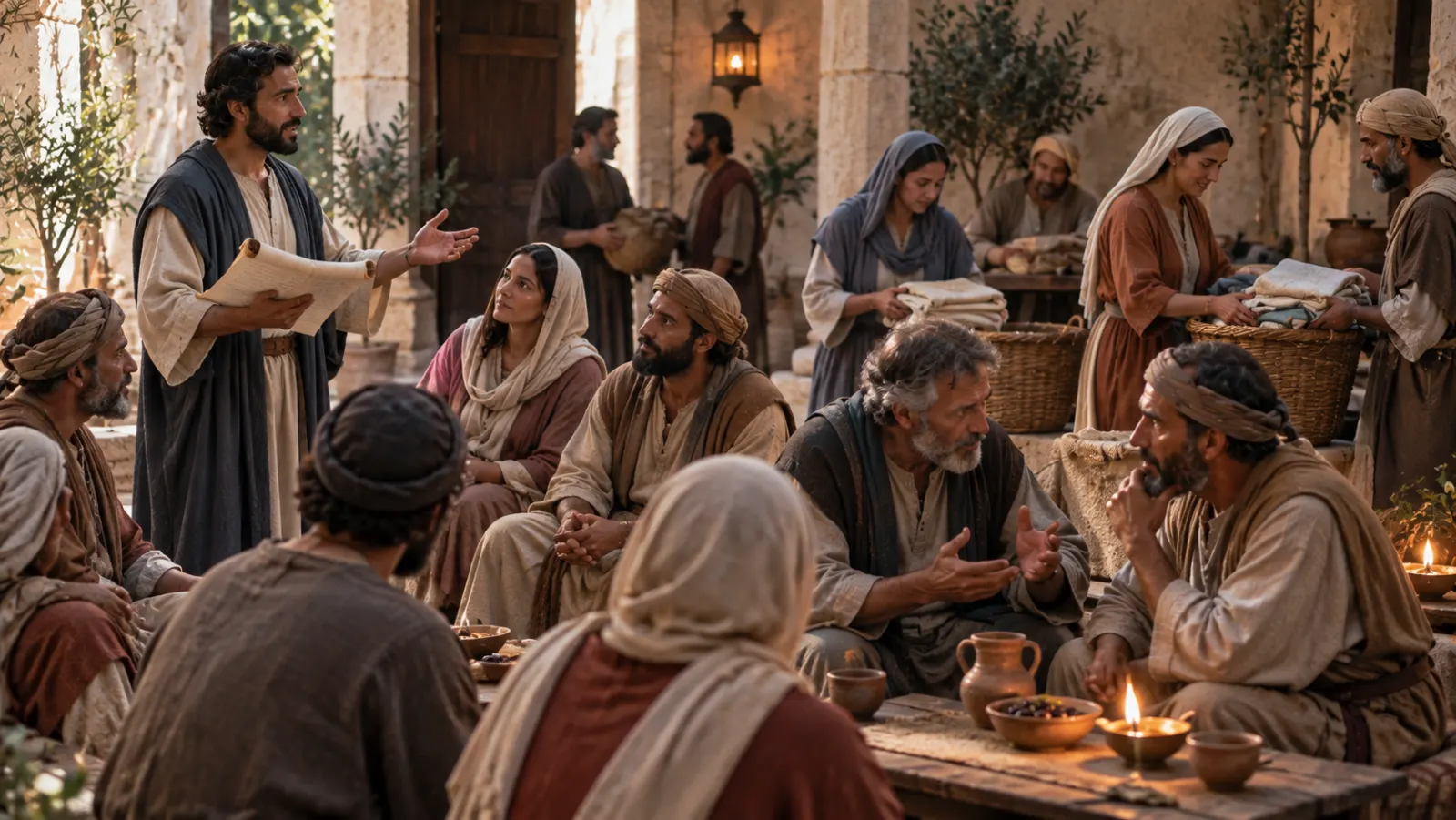
Acts 11 repeats much of the story because believers in Jerusalem question Peter about entering the house of uncircumcised men and eating with them. The objection shows that the issue is not resolved simply because a dramatic event occurred. Peter has to explain himself to the church. Experience is interpreted in community, and the community weighs what happened in light of God’s action.
The result is a recognition that God has granted repentance leading to life to Gentiles. Yet even that conclusion will not end every argument. Acts 15 later revisits the practical question of Gentile inclusion. Major theological transitions often become clear in stages rather than in one meeting.
This is about more than diversity language
Modern readers may translate Cornelius into a general message about being welcoming. Hospitality is certainly part of the story, but the theological issue is larger. The church is deciding whether Gentiles must first cross fully into Jewish covenant identity in order to belong to the Messiah’s people. The answer that emerges in Acts changes the trajectory of Christian history.
That answer also must not become anti-Jewish. The story does not teach that Judaism was narrow and Christianity became universal. The actors making the decision are Jewish followers of Jesus using Israel’s Scriptures, Israel’s Messiah, and Israel’s language about the Spirit to understand Gentile inclusion. The church’s universal mission grows from Jewish roots rather than from contempt for them.
Why Cornelius still unsettles churches
Every established community develops intuitive ideas about what a credible member looks like, what background feels safe, and what sequence newcomers should follow. Cornelius destabilizes those expectations. The person at the edge may already be responding to God in ways insiders have not noticed. The Spirit may move faster than the institution’s categories.
That does not mean every claimed spiritual experience automatically settles a theological question. Acts itself includes discernment, testimony, Scripture, leadership, and communal debate. Cornelius teaches openness without gullibility: pay attention when God’s evident work challenges a boundary you assumed was fixed.
Table fellowship was where theology became physically awkward
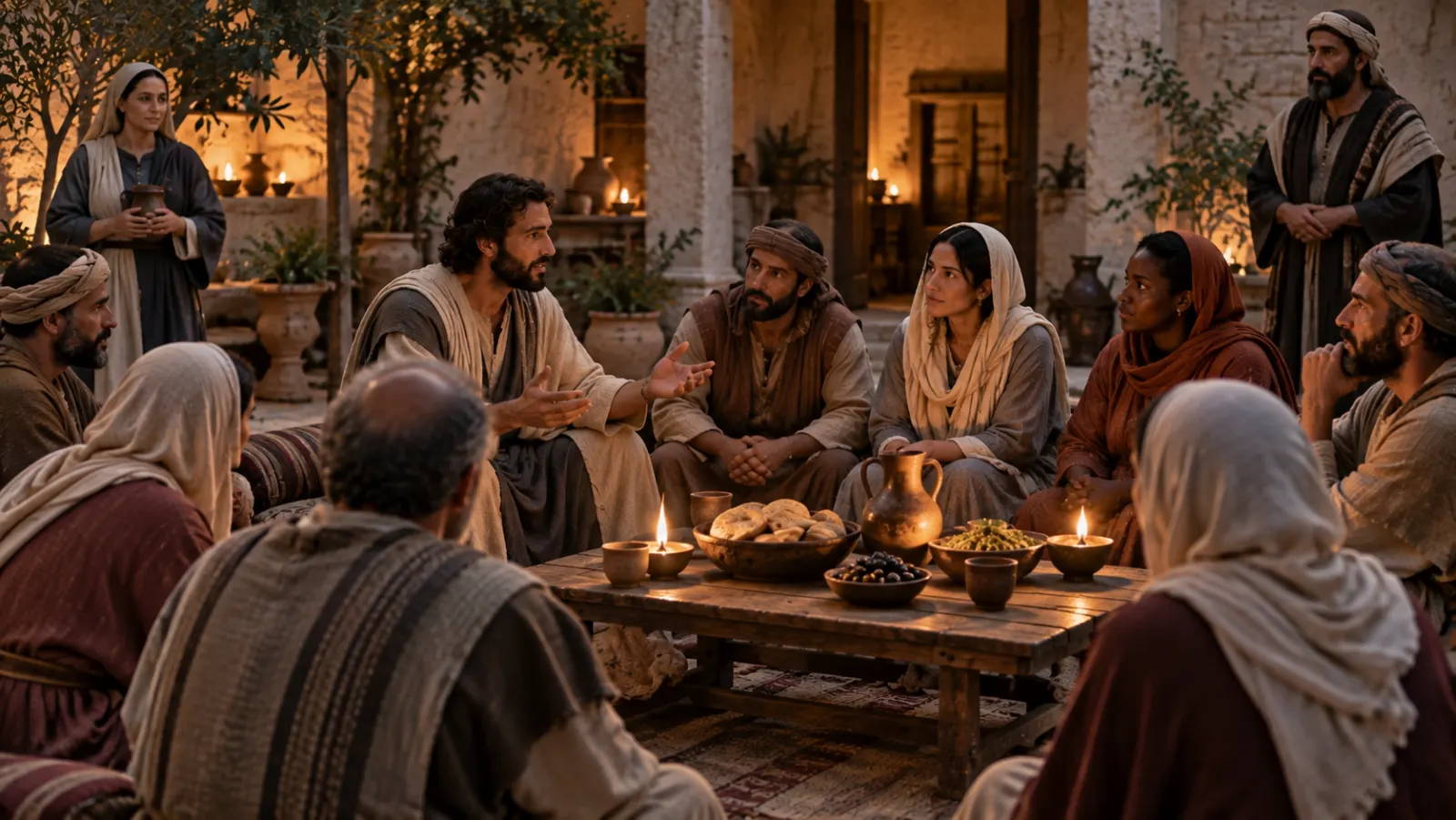
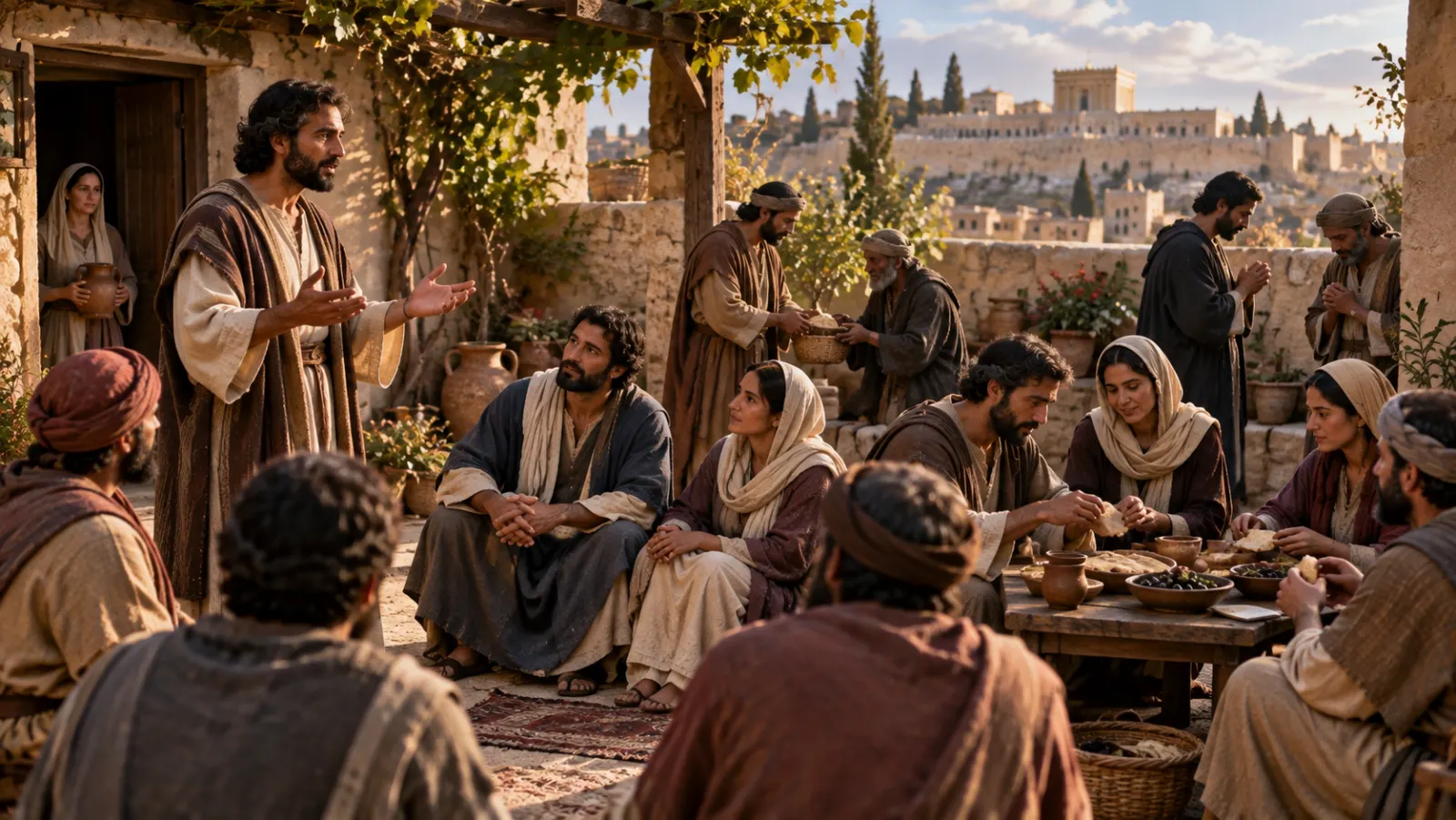
The controversy is easy to spiritualize until we remember the household setting. Peter enters a Gentile home. Meals, purity, social contact, and reputation become concrete. A theological claim that God accepts Gentiles has to survive the question of whether Jewish believers will actually sit in their houses and recognize them as family. Acts 11 shows that this practical boundary is exactly what critics notice.
For mixed churches today, that is a useful test. Statements about inclusion are easier than shared life. People can affirm that the gospel is for every nation and still arrange friendships, meals, leadership networks, and neighborhoods along familiar social lines. Cornelius presses beyond a slogan toward embodied fellowship.
The passage also models change without contempt for the people who need convincing. Peter explains, the community listens, and the conclusion is celebrated. Luke does not require us to despise the Jerusalem believers for asking questions. He shows a church learning. That is a more hopeful model for difficult change than simply dividing everyone into heroes and villains.
The military setting adds another layer. Cornelius belongs to the machinery of Roman rule, yet Acts does not reduce him to a symbol of empire. He is treated as a moral and religious person capable of responding to God. That narrative choice does not baptize Roman power; it demonstrates that the gospel can address a person inside an institution without making the institution itself the object of approval. The church must learn to distinguish people from the systems they inhabit while still telling the truth about power.
The episode also reframes authority. Peter remains an apostolic leader, but he is not portrayed as the source of the new policy. He becomes a witness to what God has done and an interpreter of that action before the church. His authority is real, yet it is exercised through testimony and discernment rather than through personal preference.
Cornelius does not merely become a Christian in Acts 10. The church becomes different because his household is received.
The episode forces Peter and the Jerusalem believers to discover that the Spirit cannot be fenced inside familiar social categories. Their theology is not discarded; it is enlarged by what they believe God has done in fulfillment of his purposes.
For readers who already know the global church, that conclusion can sound obvious. Acts preserves the shock so we will remember that what later generations call obvious once required courage, argument, humility, and a willingness to admit that God had crossed the threshold first.