
Pentecost
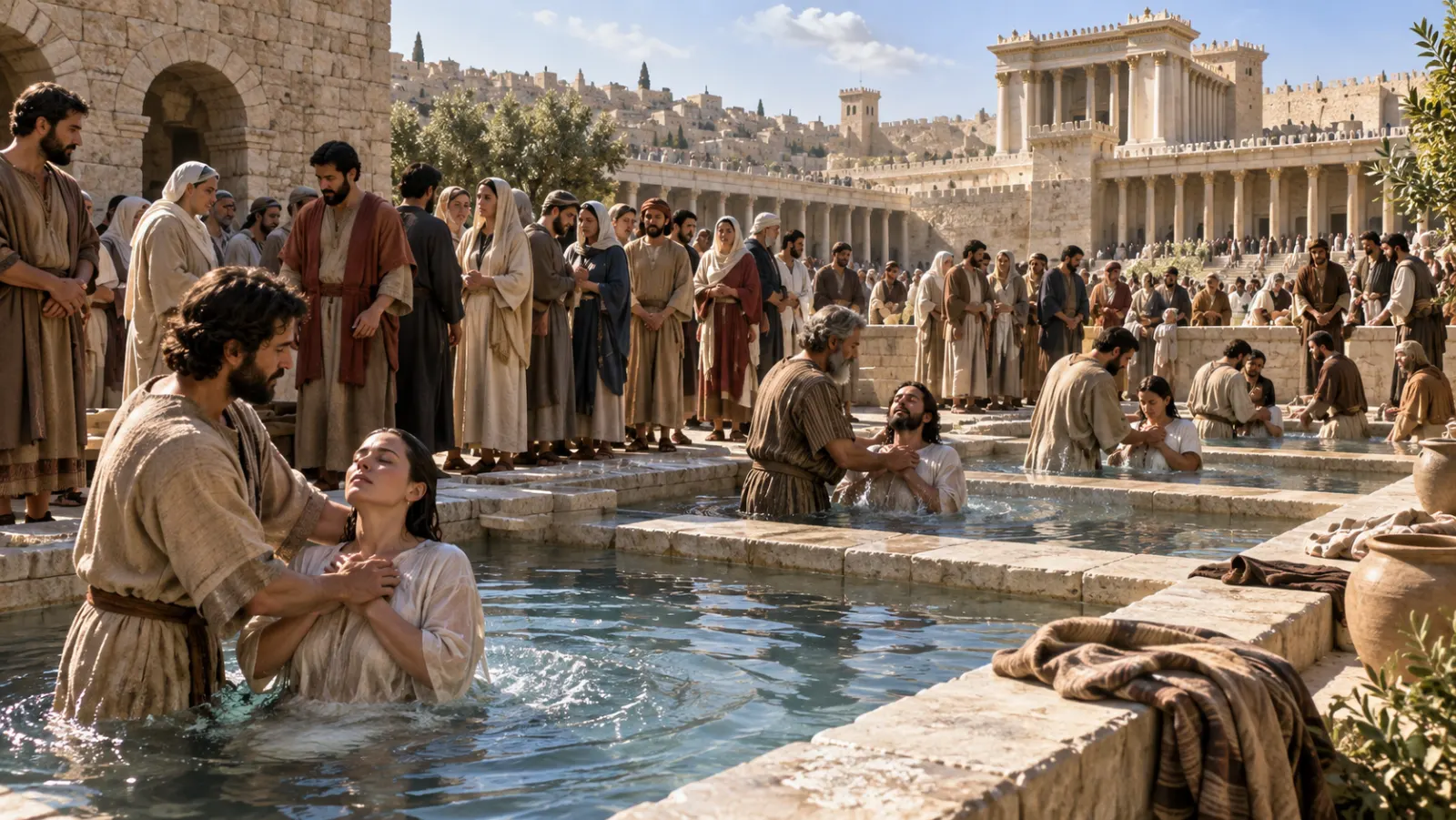
Could 3,000 People Really Be Baptized in Jerusalem in One Day?
Luke says about three thousand people accepted Peter’s message and were baptized on Pentecost. The claim raises practical questions: where could that many people be immersed, and does ancient Jerusalem offer any clues?
Read the article →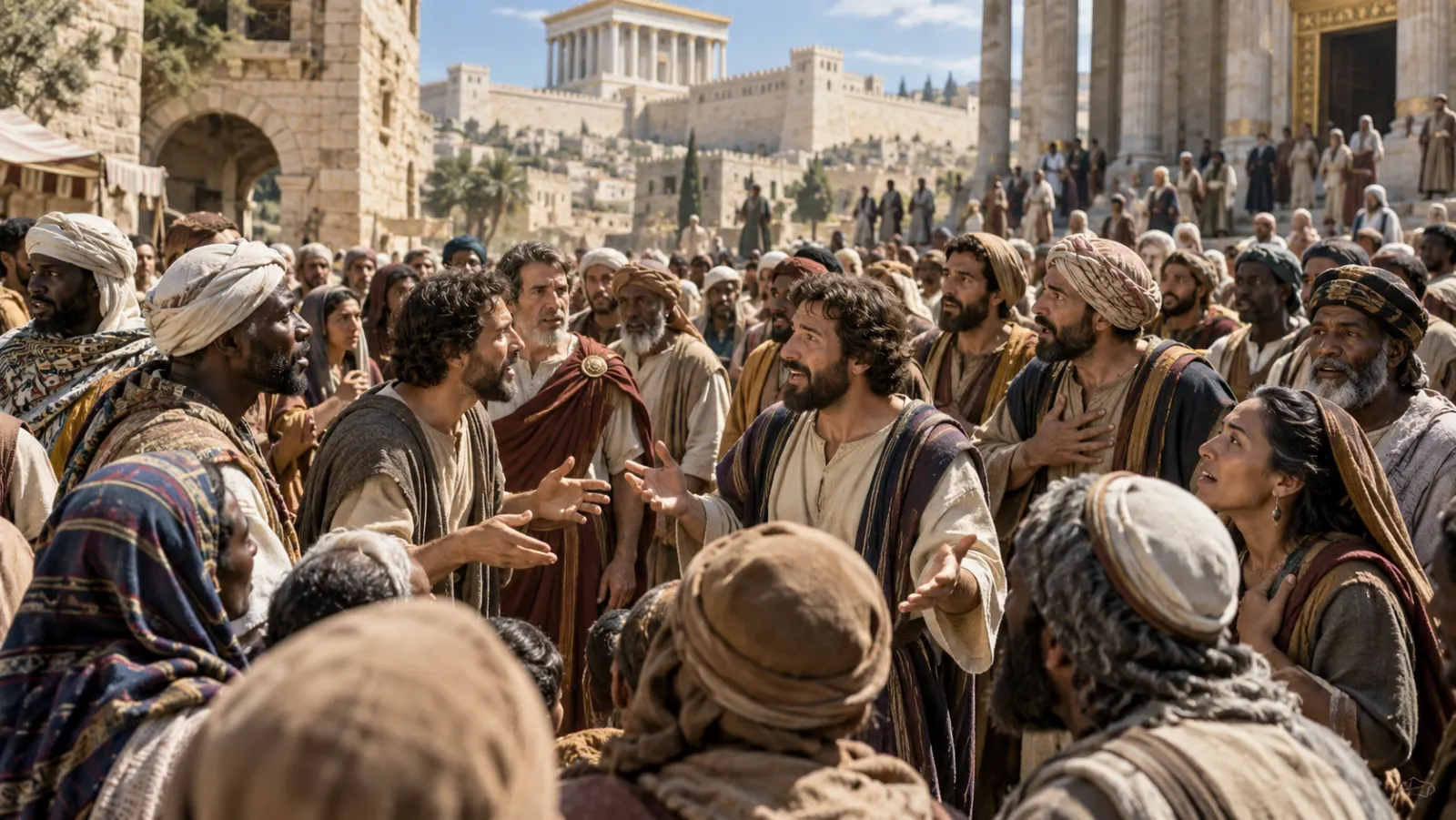
Was Pentecost a Reversal of Babel? A Popular Interpretation Under the Microscope
Christians often say Pentecost “reverses Babel.” The idea has real literary and theological appeal: scattered languages become a setting for understanding. But the relationship is more interesting than a simple undo button.
Read the article →
Pentecost Was a Jewish Feast Before It Was a Christian Holiday
Before Christians associated Pentecost with the coming of the Holy Spirit, Jews knew the day as the Feast of Weeks, a pilgrimage festival tied to harvest, firstfruits, and Jerusalem. That background changes how Acts 2 reads.
Read the article →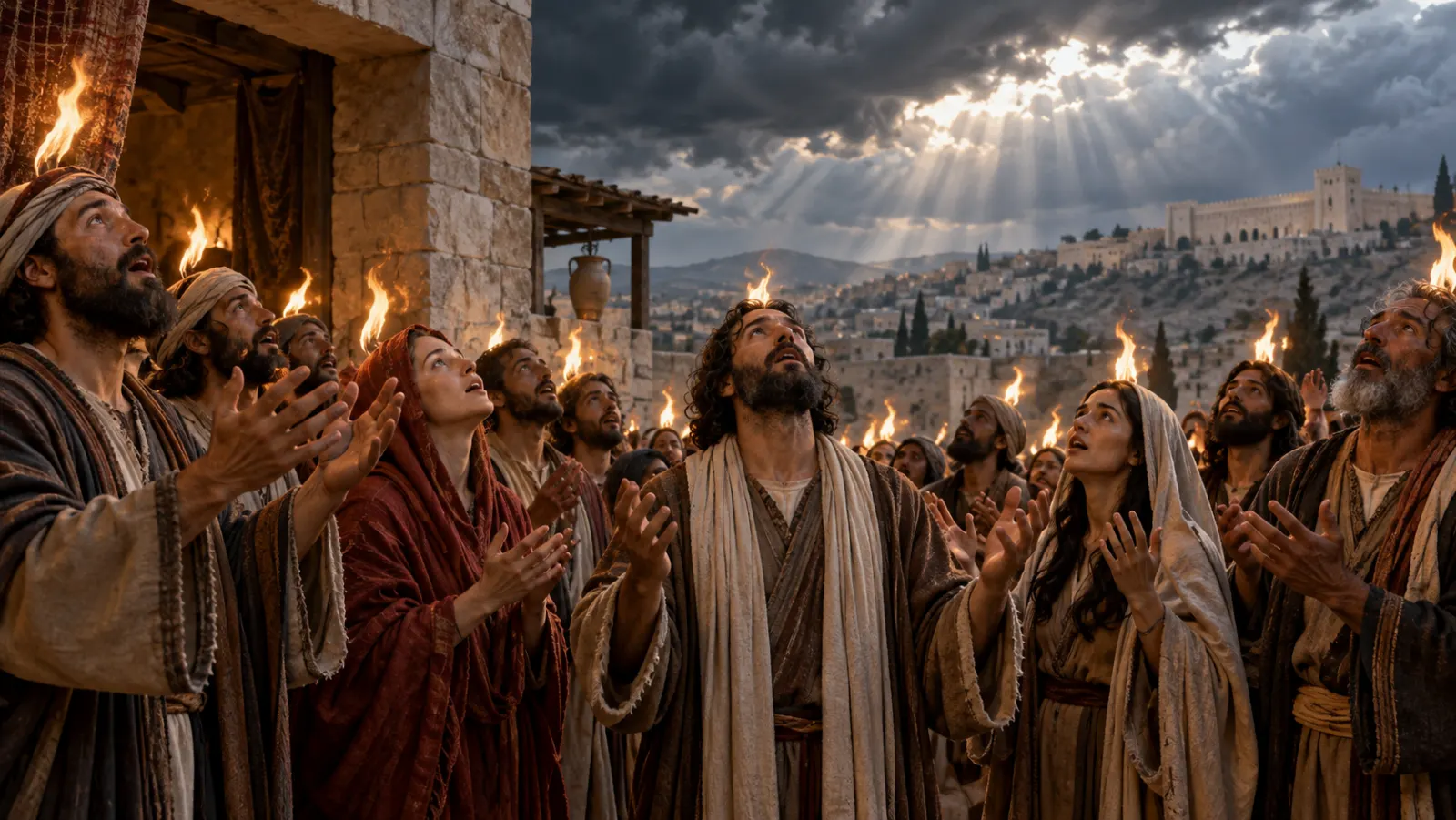
Sinai and Pentecost: Did Luke Want Readers to Hear Echoes of Exodus?
Christians often connect Pentecost with Sinai: Torah given after Passover, Spirit given after Easter, fire on the mountain, fire-like signs in Jerusalem. Some echoes are compelling; others depend on later Jewish tradition.
Read the article →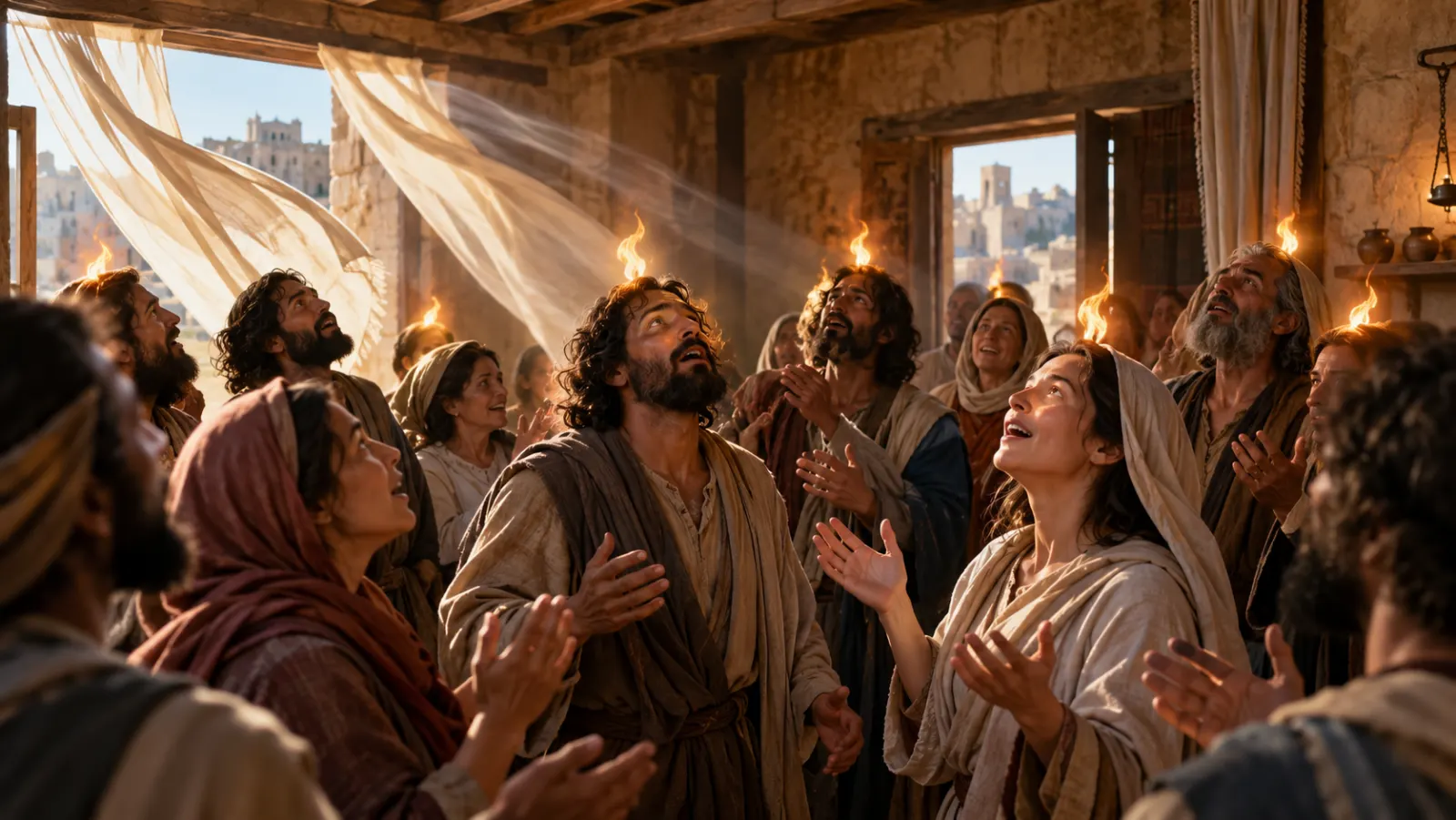
“Tongues as of Fire”: What Luke Says—and Does Not Say About Pentecost’s Most Famous Image
Acts 2 describes something appearing like divided tongues of fire and resting on each person. The image draws on a deep biblical vocabulary of divine presence without telling readers that ordinary flames burned on human heads.
Read the article →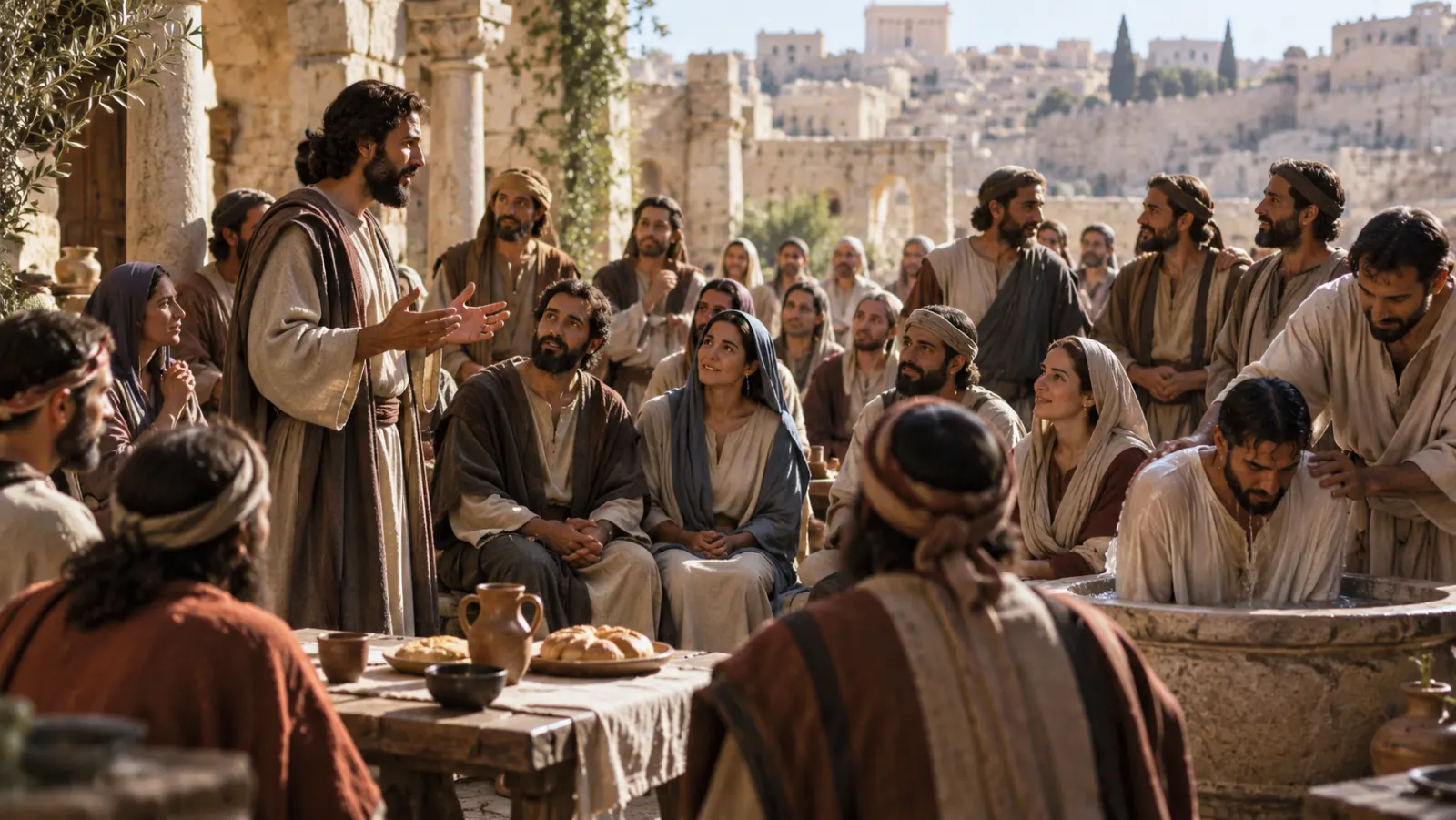
Was Pentecost Really the “Birthday of the Church”?
Christians have long called Pentecost the birthday of the church because Acts 2 marks the Spirit-empowered public emergence of the apostolic community. But the people of Jesus did not come into existence from nothing that morning.
Read the article →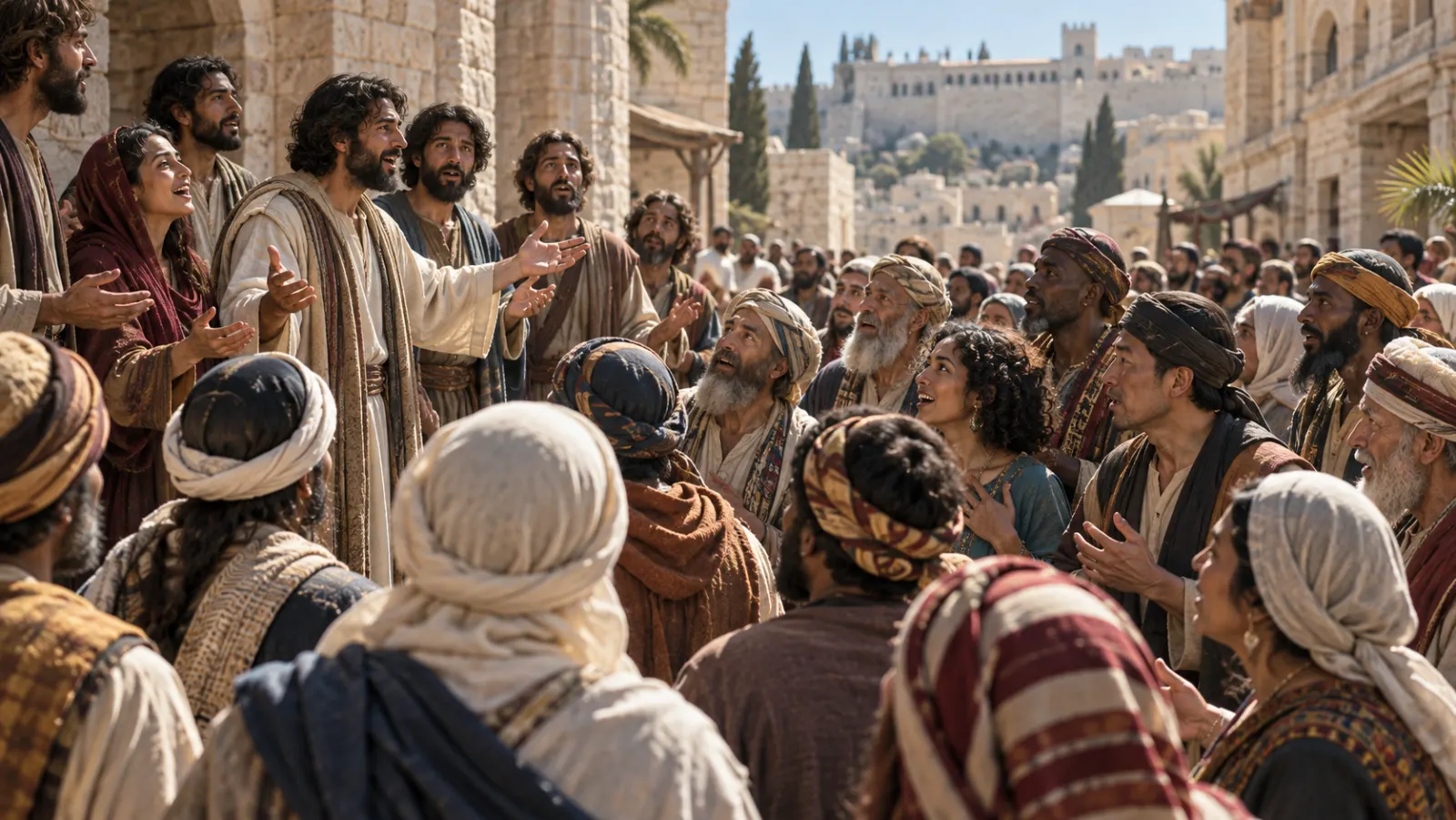
Were the “Tongues” at Pentecost Human Languages? Acts 2 and the Glossolalia Question
Luke says the crowd heard Galilean believers speaking in the visitors’ own languages. That makes Pentecost a crucial text in debates about tongues—but it does not automatically settle every question raised by 1 Corinthians.
Read the article →
What Actually Happened at Pentecost? Acts 2 Without the Stained-Glass Version
Acts 2 describes a sound like a violent wind, appearances like divided tongues of fire, Spirit-filled speech, a bewildered multilingual crowd, Peter’s sermon, and mass baptism. It also leaves several questions open.
Read the article →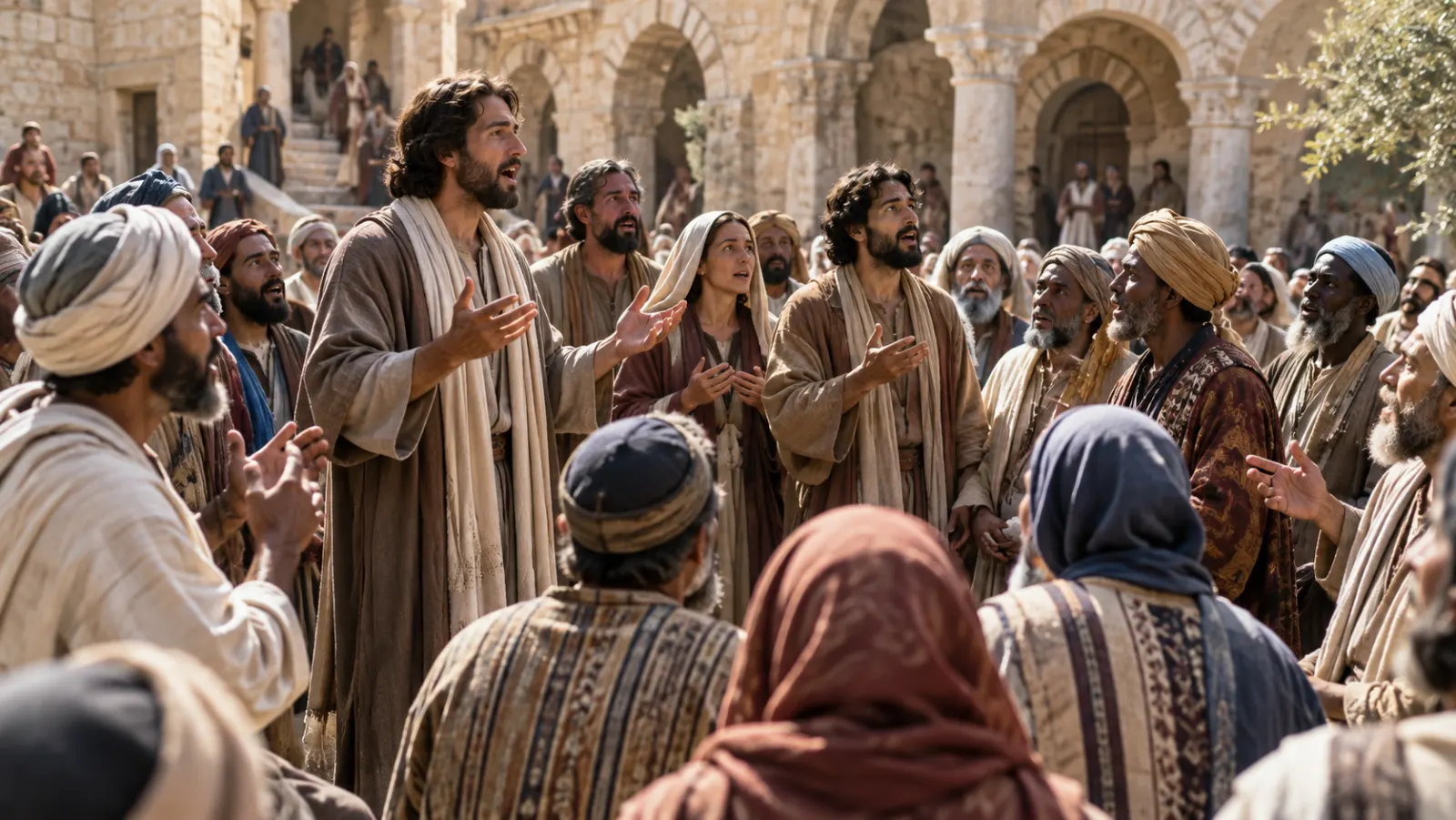
Why the Nations List in Acts 2 Matters More Than It Looks
Acts 2 pauses the action to name regions from across the ancient world. The list can feel like a speed bump, but it tells readers what kind of crowd heard Pentecost and previews the outward movement of Acts.
Read the article →
Why Peter Quotes Joel at Pentecost: What “I Will Pour Out My Spirit on All Flesh” Means
Acts 2 does not leave Pentecost as an unexplained spiritual experience. Peter says the outpouring belongs to the prophetic hope of Joel—and Joel’s language radically widens who may receive and speak by the Spirit.
Read the article →