
Shepherds & Angels
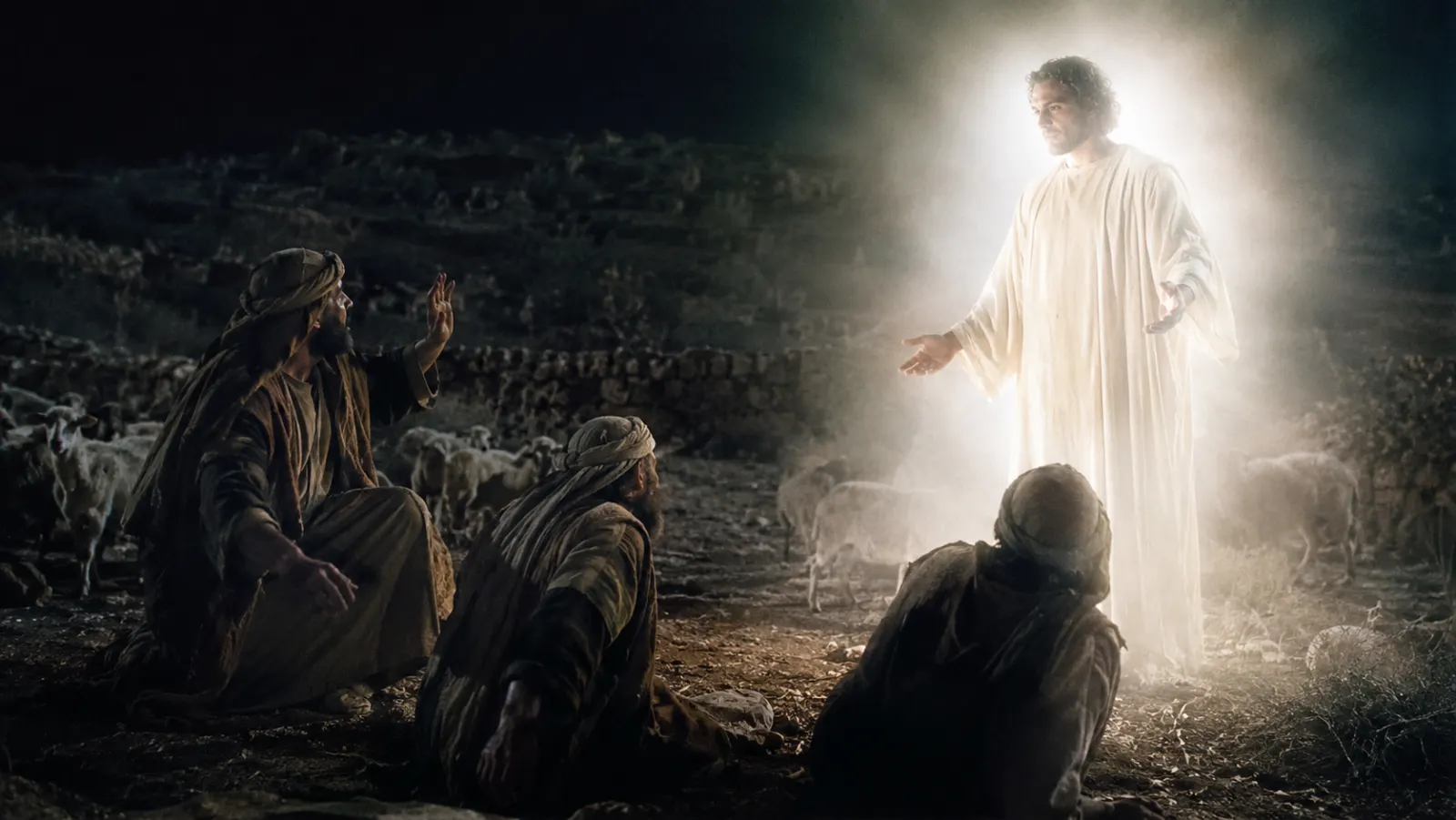
Angels in Luke 2 Are Not Christmas Decorations
American Christmas culture has trained us to picture angels as soft, winged, glowing ornaments. Luke presents something more unsettling: a messenger from God whose arrival overwhelms ordinary people with fear.
Read the article →
Can the Shepherds Tell Us When Jesus Was Born?
The shepherds’ nighttime watch is often used to prove Jesus could not have been born in December—or to prove he was born in spring. Luke gives us less calendar information than either argument assumes.
Read the article →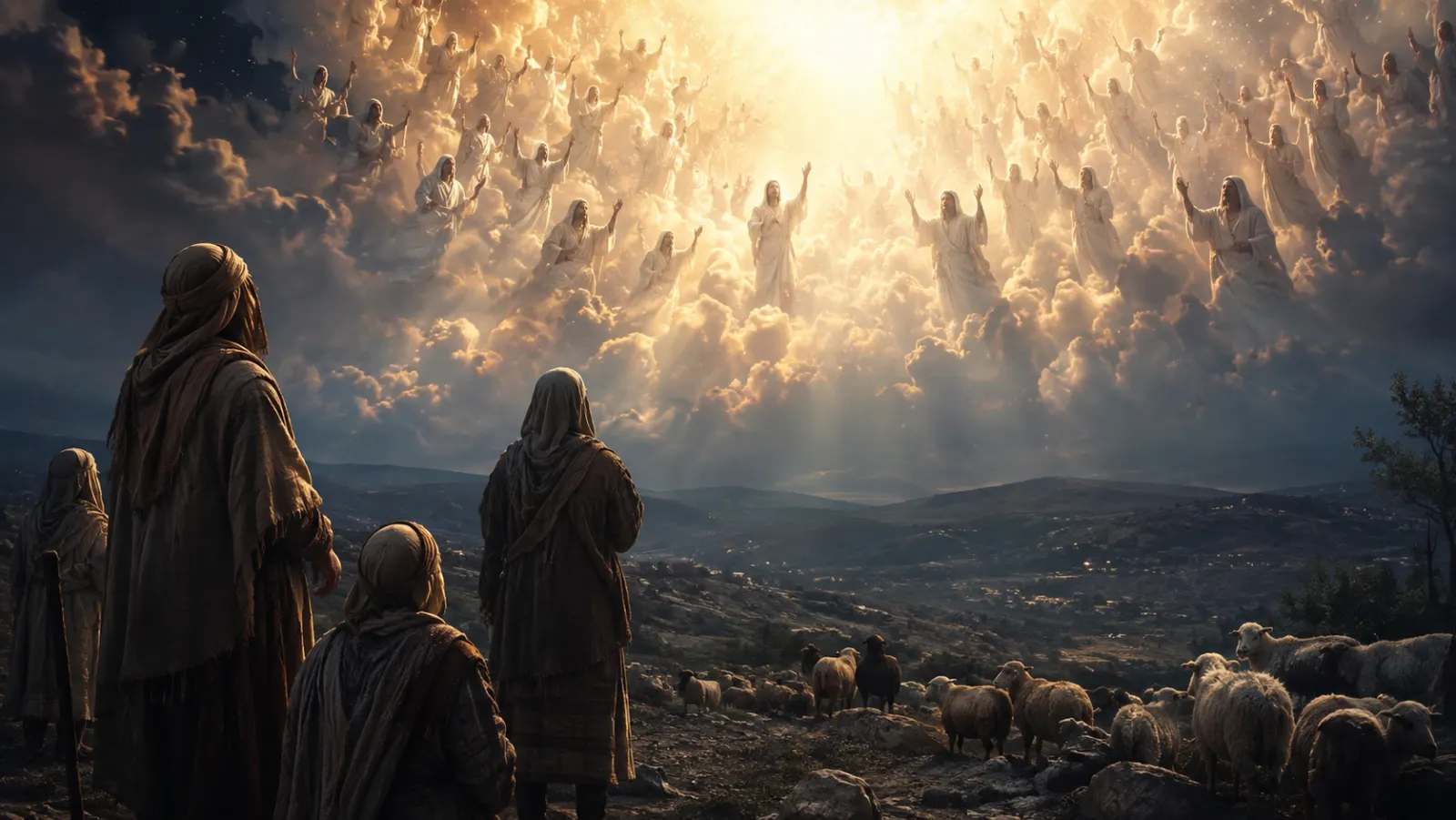
Did the Angels Sing?
Luke says the heavenly host was praising God and “saying,” not explicitly singing. That small detail is a useful test case in how Christians distinguish Scripture from beloved Christmas tradition.
Read the article →
From Seeing to Telling: The Shepherds Become Witnesses
After the shepherds find the child, they make known what they were told. Luke turns receivers of good news into public witnesses before they return to the same fields and the same work.
Read the article →
Good News for “All the People” Begins in a Local Field
The angel’s announcement sounds enormous—good news of great joy for all the people—yet it begins with a handful of shepherds near one small Judean town. That local-to-wide pattern will shape Luke and Acts.
Read the article →
The Night Shift Heard First
Luke could have placed the first public birth announcement in a palace, a priestly court, or a crowded city square. Instead, the news reaches people doing an ordinary, necessary job in the dark.
Read the article →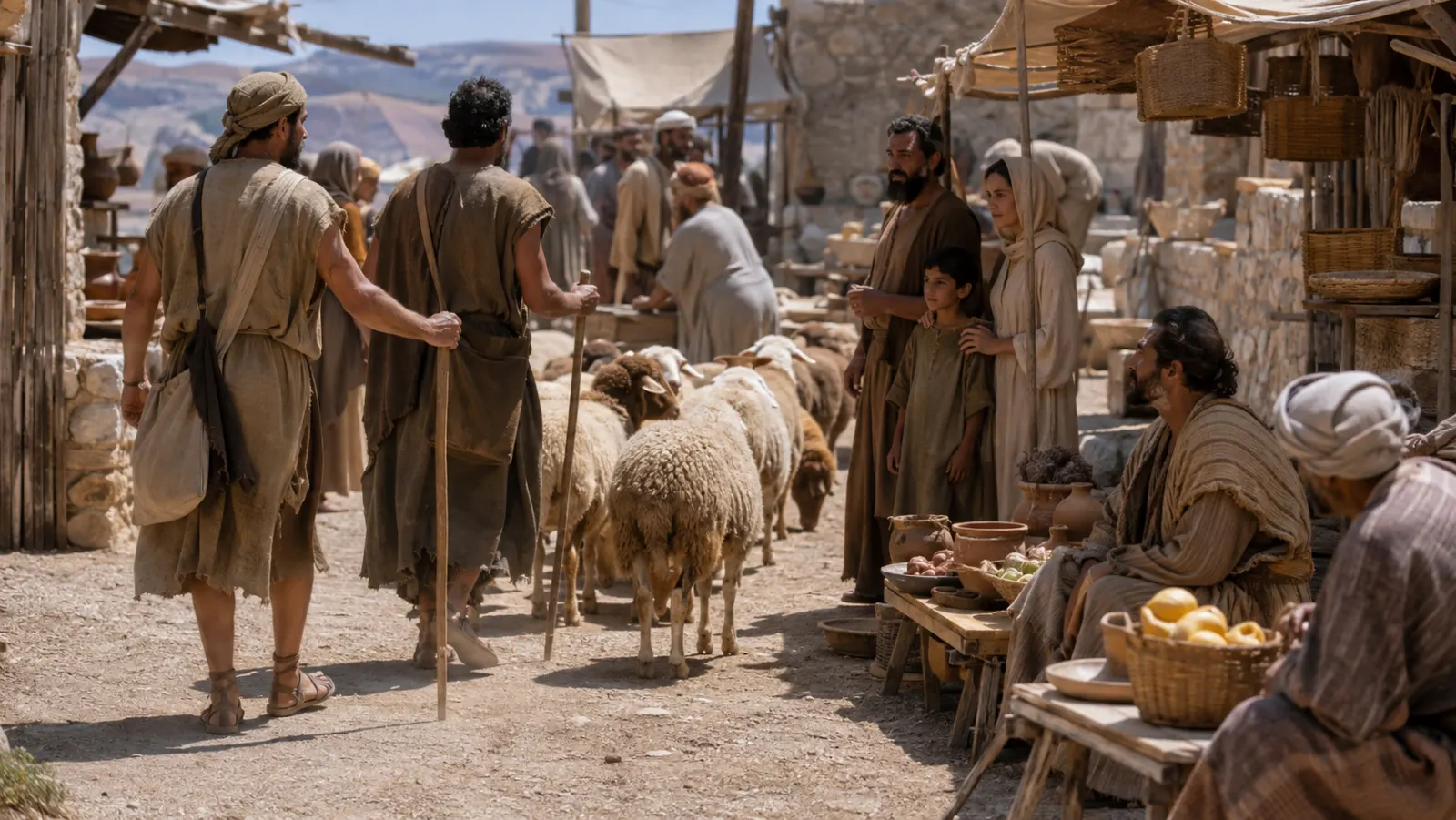
Were the Shepherds Really Social Outcasts?
Many sermons say shepherds were universally despised, ceremonially unclean, and barred from giving testimony. The evidence is much less tidy—and Luke’s point does not depend on exaggerating their status.
Read the article →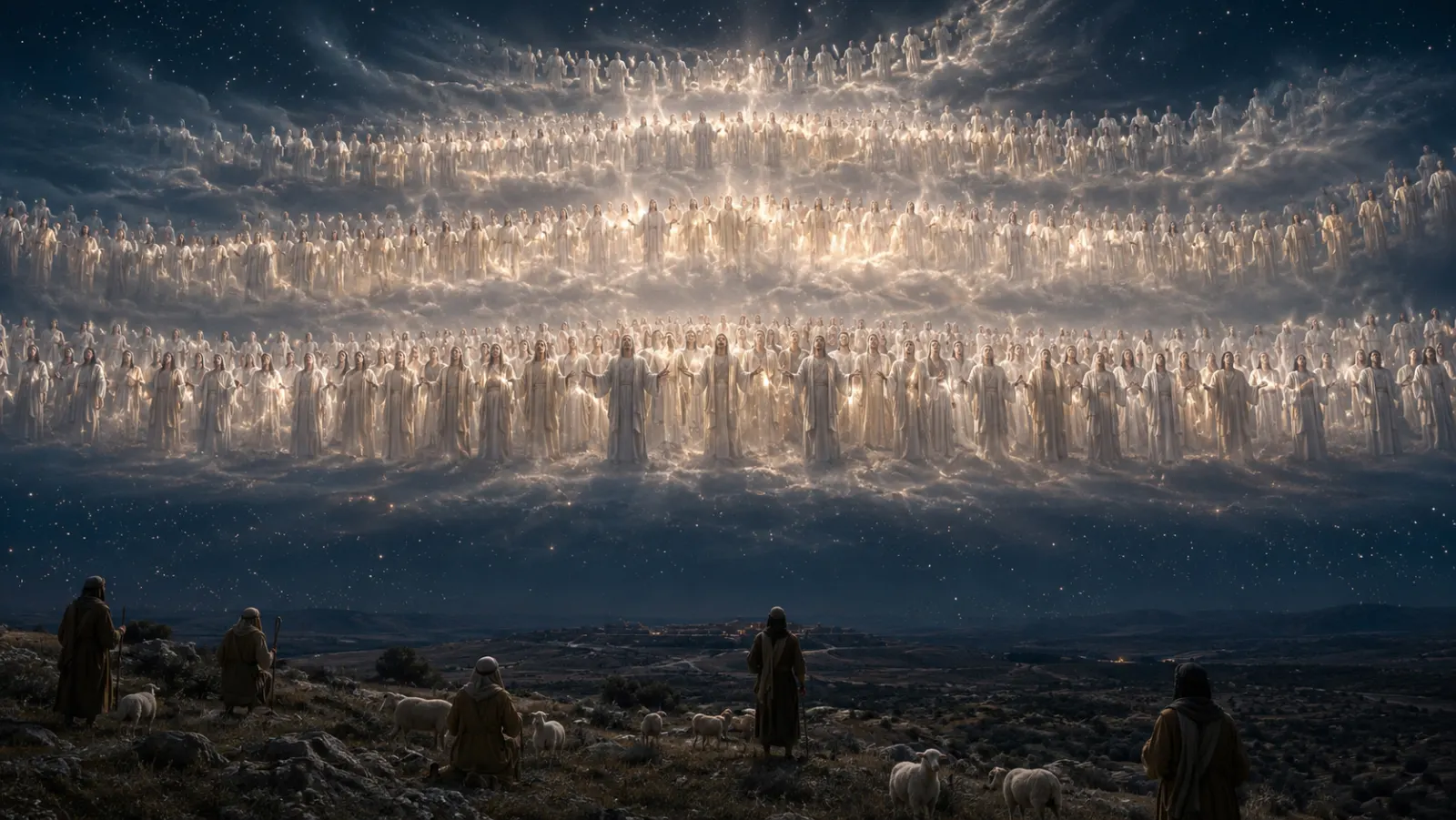
What Does “Heavenly Host” Mean?
The phrase “heavenly host” sounds gentle after centuries of Christmas music. In biblical language, however, a host is an army or vast organized company—and Luke turns that imagery toward worship.
Read the article →
What Shepherding Actually Looked Like Near Bethlehem
The shepherds of Luke 2 were not standing still with polished staffs beside a decorative flock. Shepherding was mobile, weather-exposed work built around water, grazing, protection, and constant attention.
Read the article →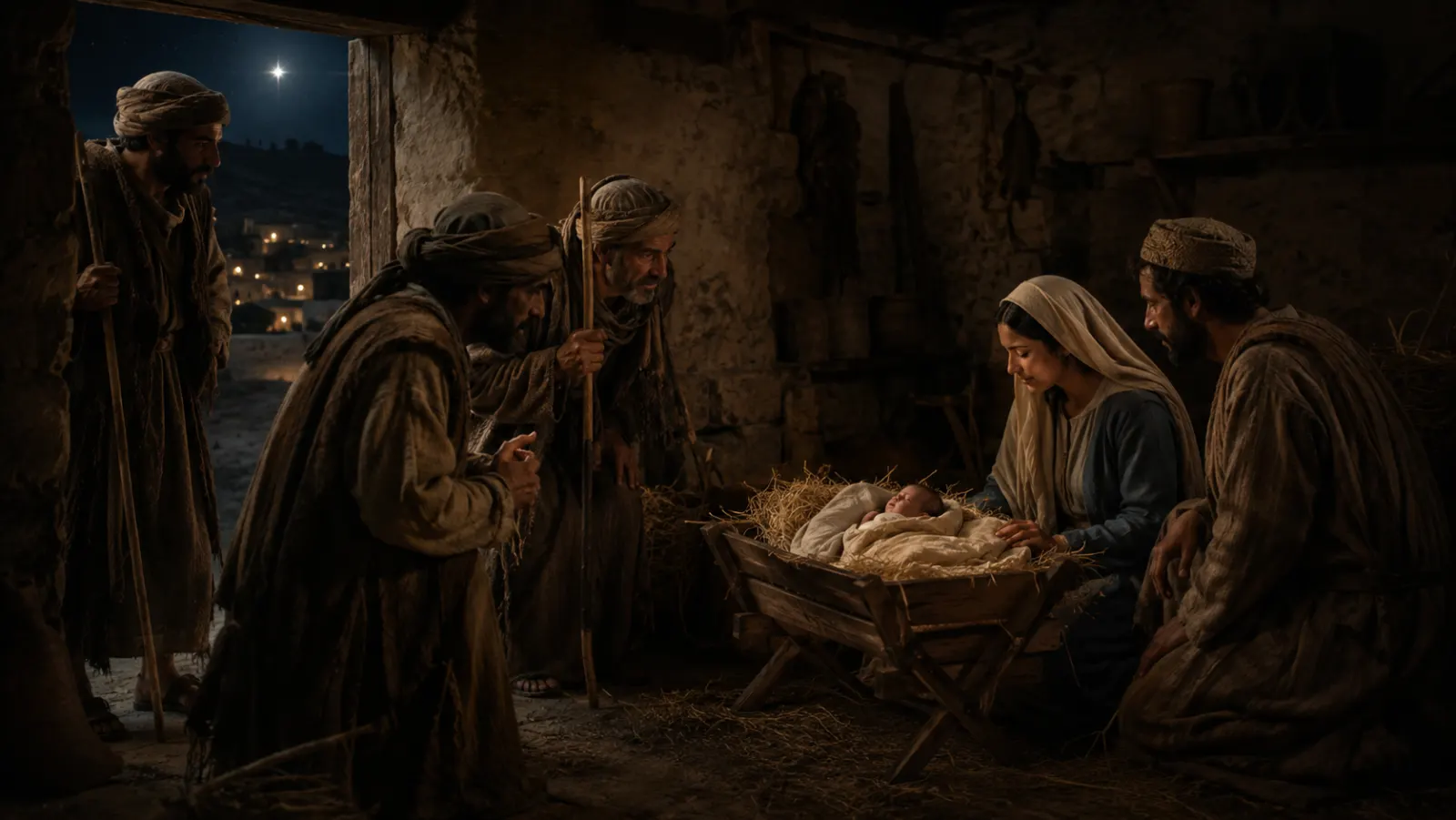
Why the Sign Is a Baby in a Manger, Not the Sky
The most visually overwhelming part of Luke 2 is the heavenly host. Yet the angel’s identifying sign is not light, music, or a miracle in the heavens. It is a newborn wrapped in cloths and lying in a feeding place.
Read the article →