
The Roman World

A Child Born Under Caesar: Why Luke Names the Emperor
Luke could have introduced Jesus without naming the emperor. Instead, Caesar Augustus stands in the first sentence of the birth scene—and then almost disappears as the narrative turns toward Bethlehem, shepherds, a manger, and the child called Savior and Lord.
Read the article →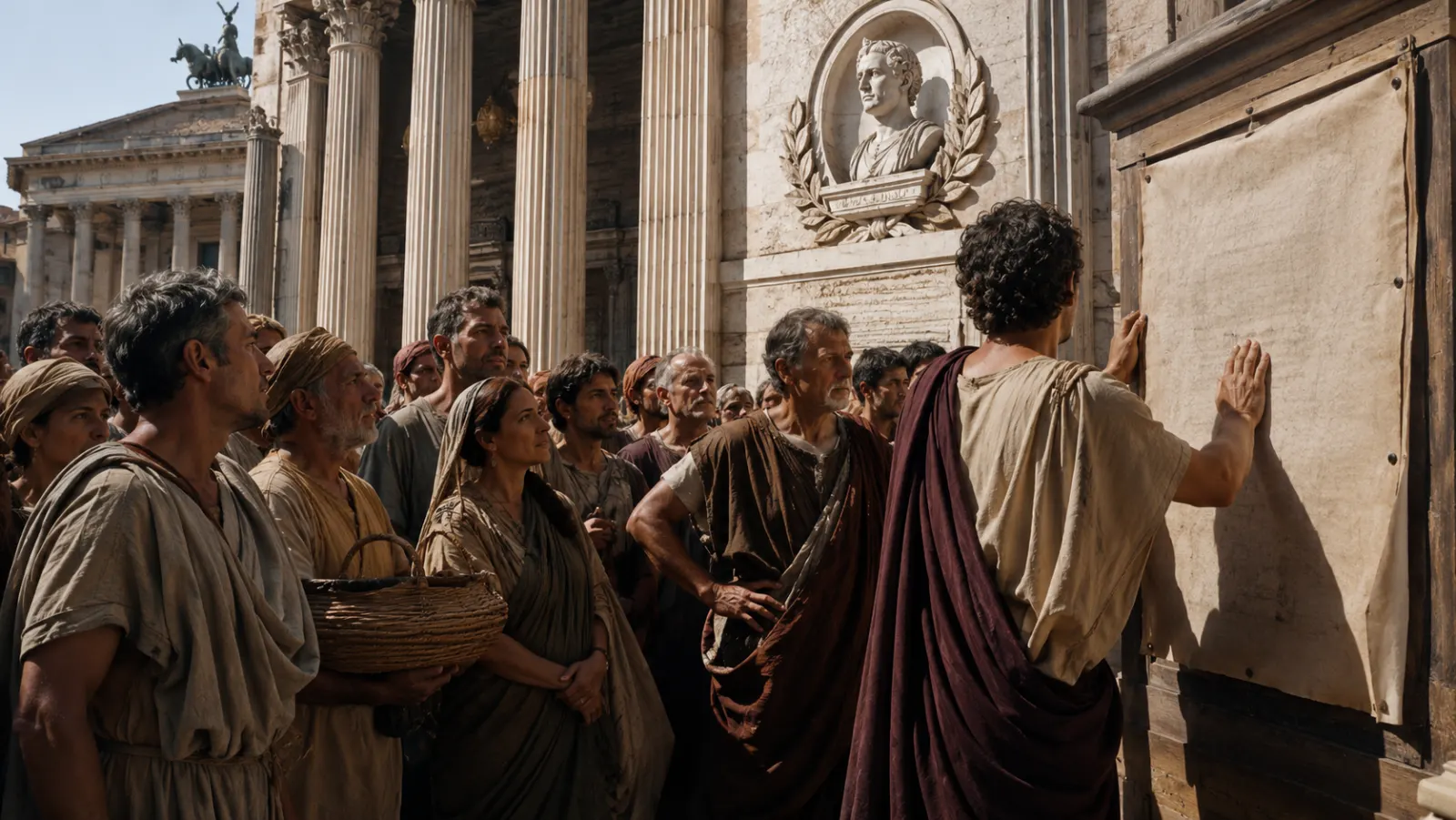
Caesar Augustus and the Peace Rome Promised
Augustus was praised for ending civil war and restoring order. Luke’s announcement of peace arrives in a world where Rome already had a public story about who brought peace and what peace required.
Read the article →
The Empire Behind the Christmas Story
Luke names Caesar Augustus and Matthew names Herod because the birth of Jesus happened inside a real political order. Understanding that order makes the familiar Christmas story less decorative and more historical.
Read the article →
Everyday Life in Judea Around the Birth of Jesus
Augustus and Herod dominate the political record, but most people experienced history while carrying water, grinding grain, repairing tools, watching children, tending fields, sharing meals, and preparing for Sabbath.
Read the article →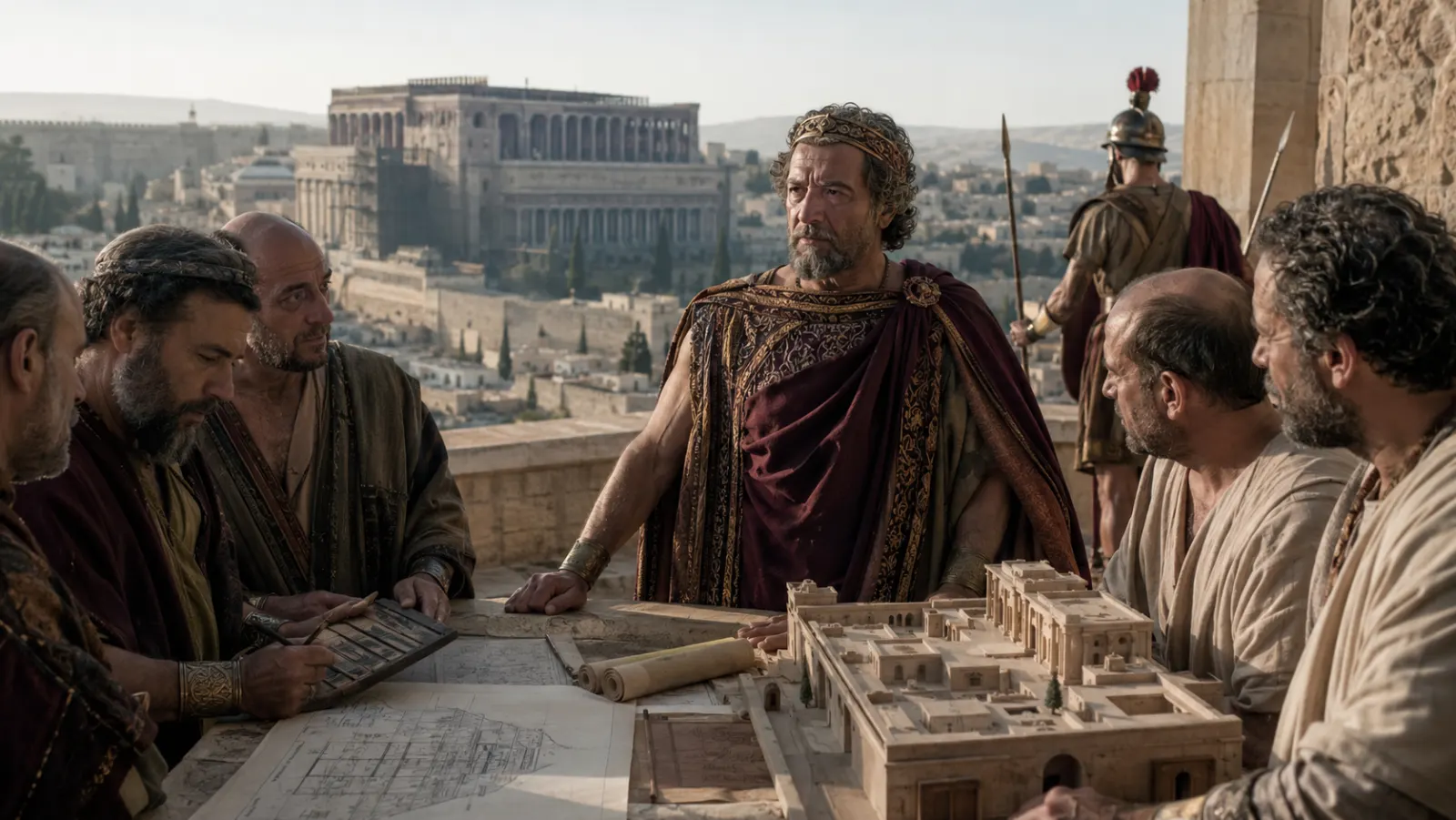
Herod the Great: King of Judea, Client of Rome
Herod could rebuild the Temple, create a world-class harbor, and eliminate members of his own household. His career makes sense only when we see both sides of his position: formidable king at home, dependent ally of Rome abroad.
Read the article →
How Roman Power Reached an Ordinary Judean Village
Rome did not need a legionary on every street to shape life in Judea. Imperial power traveled through Herod’s throne, local administrators, revenue systems, roads, elite patronage, and the knowledge that Rome stood behind the political order.
Read the article →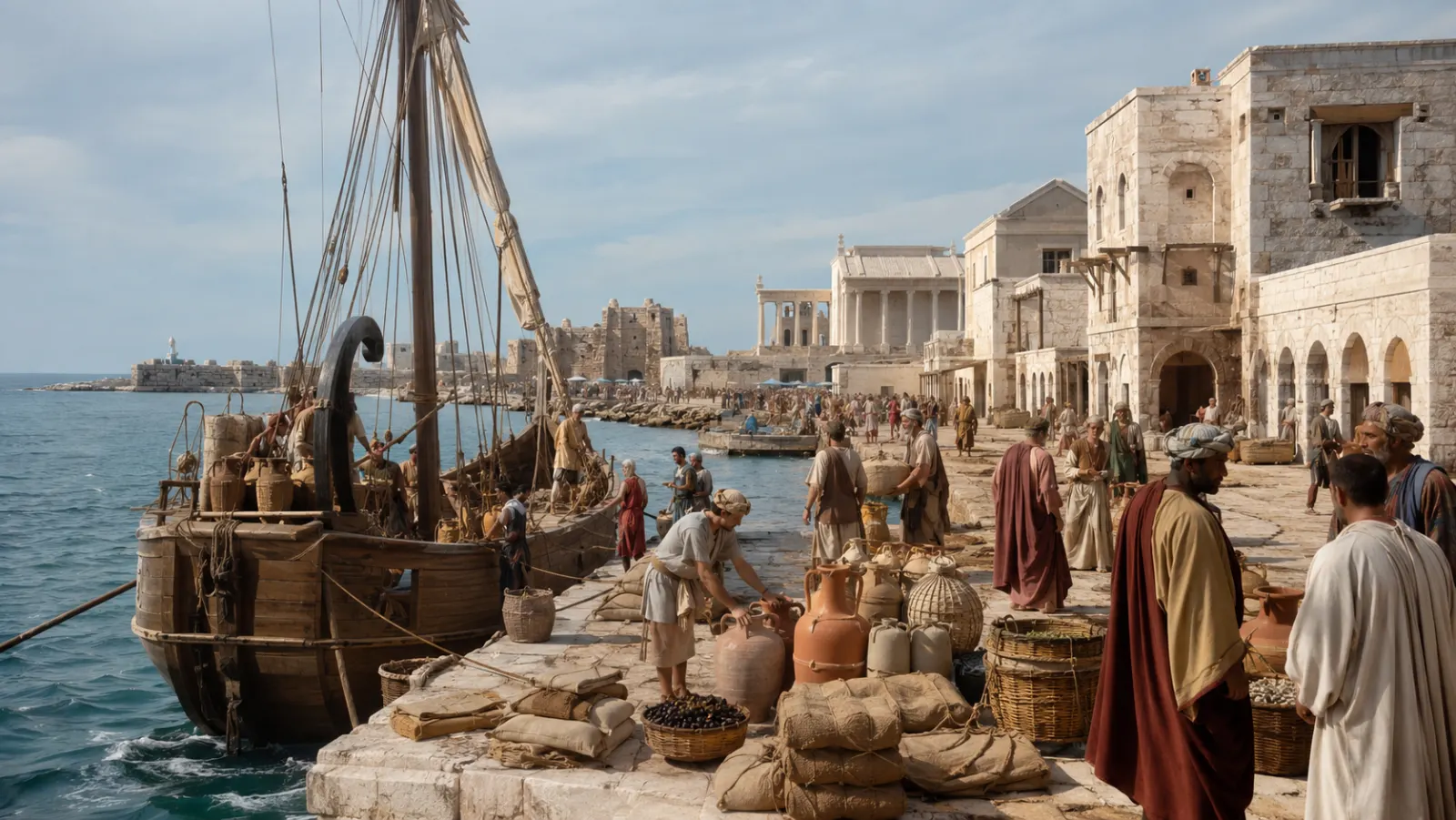
Roads, Ports, and Trade: How Herod Connected Judea to the Roman World
Judea was not an isolated corner cut off from the Mediterranean. Herod’s harbor at Caesarea, regional roads, market towns, pilgrimage traffic, and Greek-speaking commerce tied the land to a much wider world.
Read the article →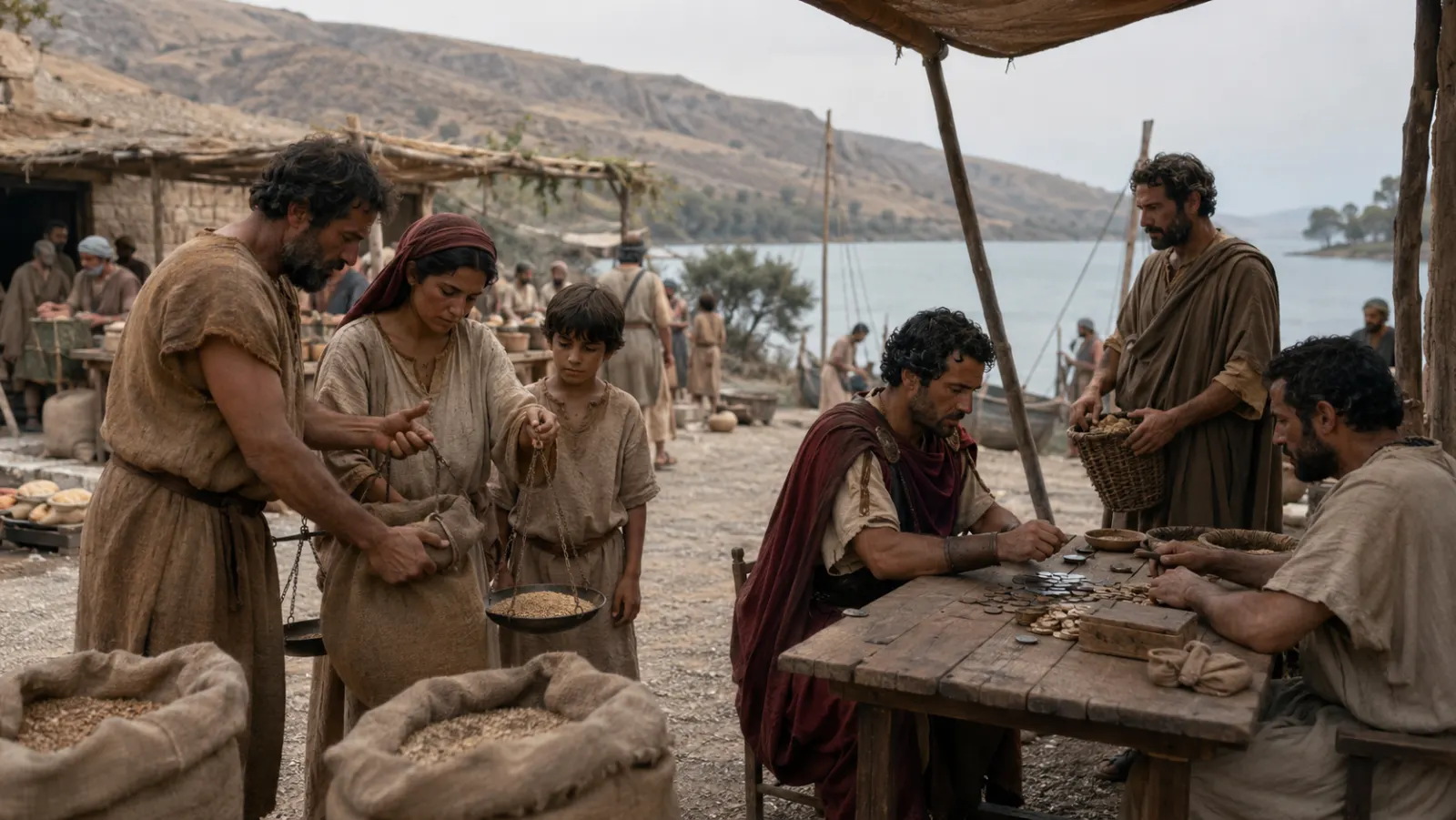
Taxes, Tribute, and the Cost of Empire
The word “taxes” hides a complicated reality. Judean households could face royal revenues, tolls, market duties, rents, debts, and religious obligations—without all of them going to Rome or being collected in the same way.
Read the article →
Was Judea a Roman Province When Jesus Was Born?
“Judea under Rome” is true but imprecise. At the likely time of Jesus’ birth, Herod the Great still ruled a Roman client kingdom. Direct Roman provincial administration came later.
Read the article →
What Was a Roman Census—and What Does Luke 2 Mean?
Luke connects Jesus’ birth with an imperial registration and Quirinius. Roman census practices are historically real, but the best-attested Judean census under Quirinius belongs to A.D. 6. Readers deserve to know both facts.
Read the article →