
The Holy Trinity
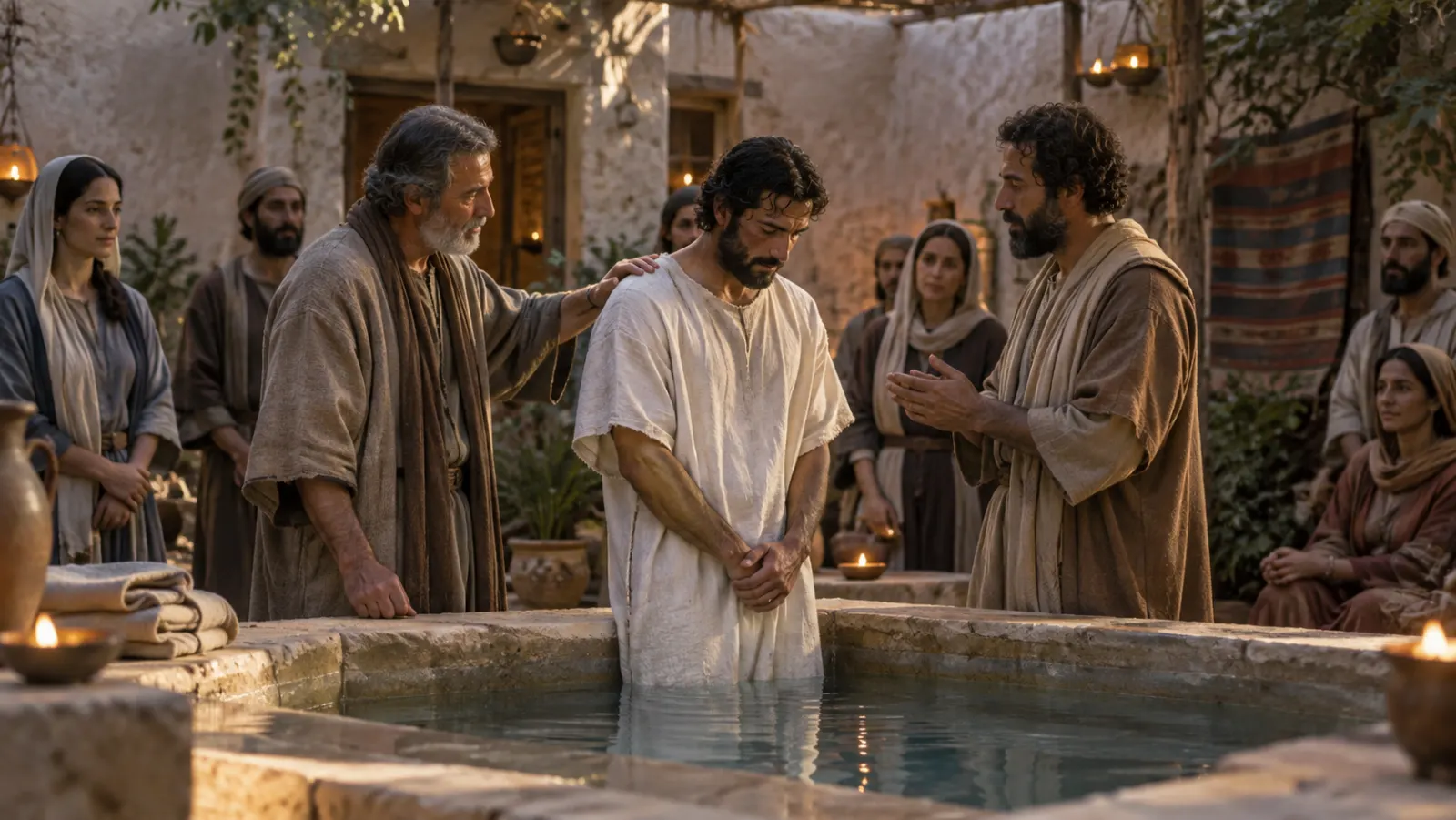
Before Nicaea: Did Early Christians Already Think in Triune Ways?
Pre-Nicene Christianity was not uniform or philosophically finished. It was also not a blank slate. Early texts show Christians coordinating Father, Son, and Holy Spirit long before an emperor called the Council of Nicaea.
Read the article →
Did Jesus Teach the Trinity?
The Gospels do not present Jesus defining fourth-century theological terms. They do present him as Son, speaking to the Father and promising the Spirit in ways that became foundational for later trinitarian doctrine.
Read the article →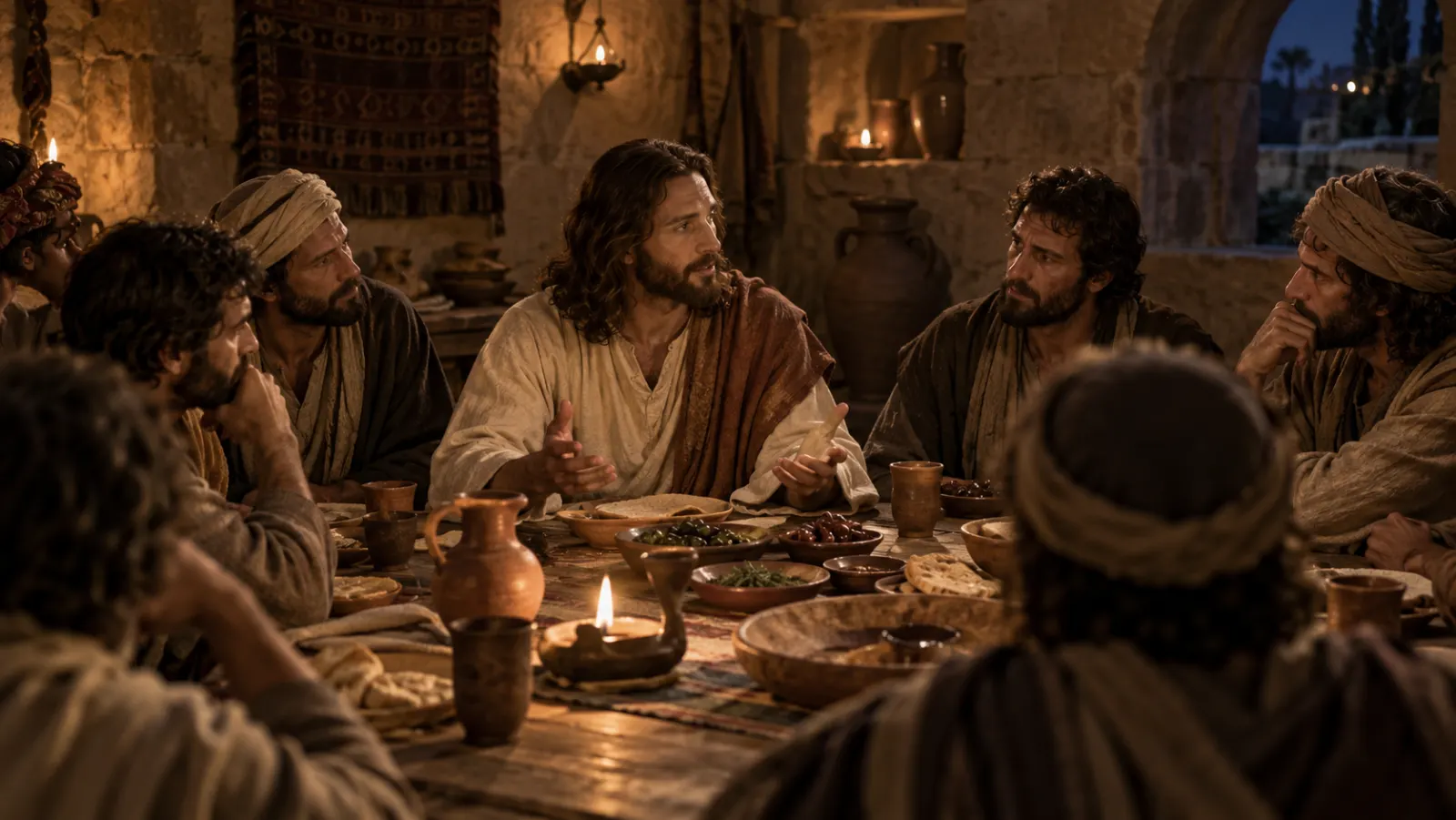
“The Father Is Greater Than I”: Does Jesus Contradict the Trinity?
John 14:28 is often cited against Christ’s full deity. Historic trinitarian interpretation reads the verse in light of Jesus’ incarnate mission and John’s wider portrait rather than treating “greater” as a one-word definition of divine essence.
Read the article →
Is the Holy Spirit a Person—or Just God’s Power?
Historic Christianity confesses the Holy Spirit as fully divine and personally distinct, not merely an impersonal force. The New Testament case comes from patterns of agency, relationship, speech, and divine identification.
Read the article →
Is Jesus Really God in the New Testament?
The New Testament distinguishes Jesus from the Father and still assigns him divine names, divine works, divine honor, and a place inside Israel’s confession of the one God. That combination is central to trinitarian Christianity.
Read the article →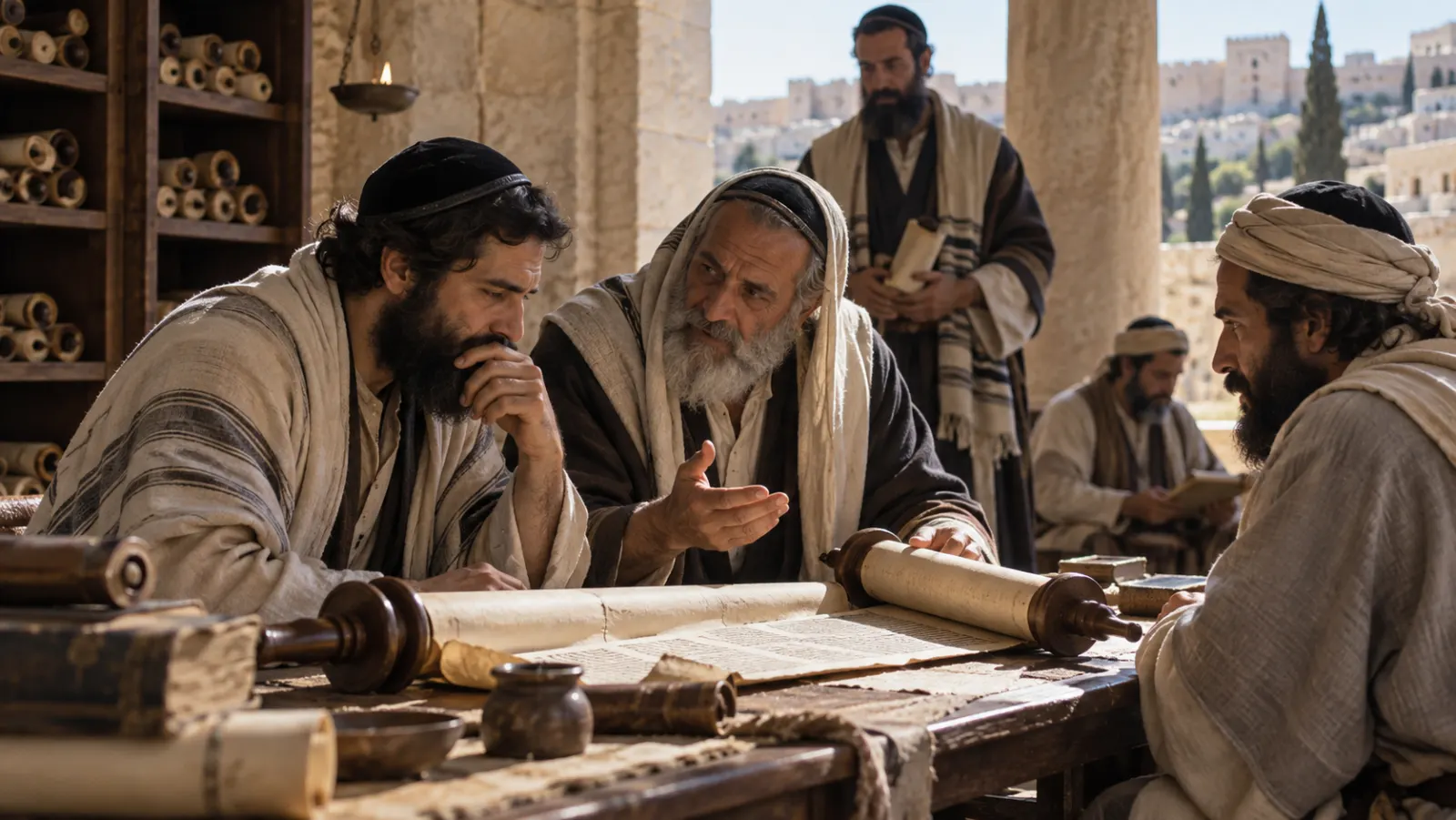
Does the Old Testament Teach the Trinity?
The Old Testament emphatically teaches one God and speaks richly of God’s word, wisdom, Spirit, presence, and mysterious self-revelation. Christians later read these themes trinitarianly, but the line between original context and retrospective Christian interpretation matters.
Read the article →
One God, Three Persons: What Christians Mean—and What They Do Not Mean
The Trinity does not mean three gods, one person acting in three costumes, or a divine committee. Historic Christian language tries to preserve both biblical monotheism and the real distinction of Father, Son, and Holy Spirit.
Read the article →
The Word “Trinity” Is Not in the Bible. So Why Do Christians Use It?
Christians did not find the English word Trinity in a verse. They developed the term to summarize a scriptural pattern: one God, while Father, Son, and Holy Spirit are named, distinguished, and treated in ways that forced the church to speak more precisely.
Read the article →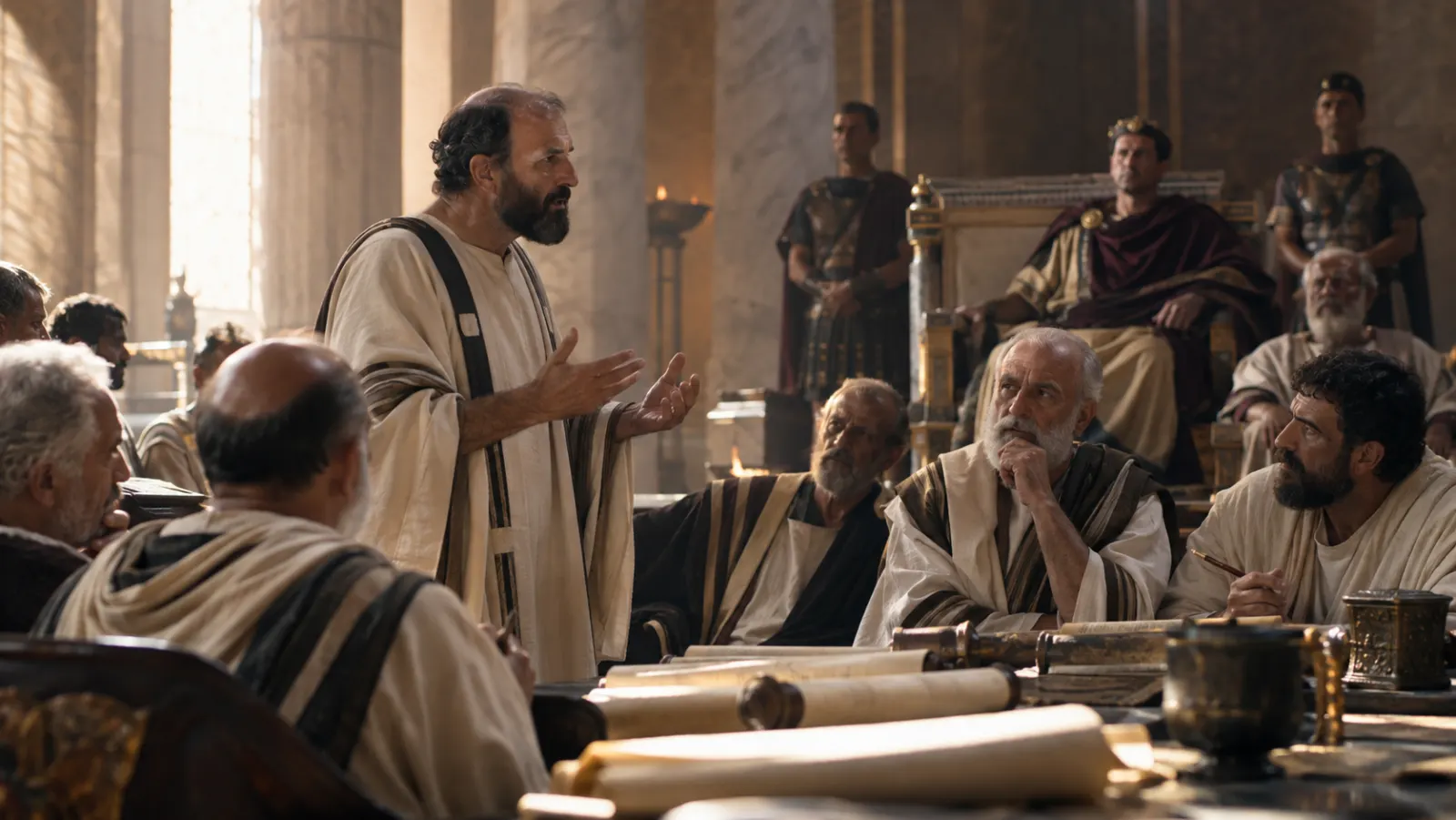
What Happened at Nicaea—and What Did Not
Nicaea was called amid a fierce dispute over whether the Son was a creature or truly shared the Father’s divine being. Its creed sharpened Christian language, but the history before and after the council is messier than popular myths suggest.
Read the article →
Why the Trinity Matters When Christians Pray
Christian prayer is commonly directed to the Father, through the Son, in the Holy Spirit. The pattern is not a rigid formula for every sentence of prayer, but it shows why trinitarian doctrine matters pastorally as well as intellectually.
Read the article →