Historic Christianity confesses the Holy Spirit as fully divine and personally distinct, not merely an impersonal force. The New Testament case comes from patterns of agency, relationship, speech, and divine identification.
The Holy Spirit is the member of the Trinity most likely to become vague in ordinary Christian speech. People describe feeling “the Spirit” the way they might describe an atmosphere in a room. Biblical writers speak of being filled with the Spirit, receiving power, and having gifts distributed by the Spirit. That language can sound like electricity, inspiration, or divine energy rather than personal agency.
Yet the same New Testament also says the Spirit teaches, reminds, speaks, sends, testifies, guides, can be lied to, can be grieved, and apportions gifts as he wills. Historic trinitarianism reads those patterns together and concludes that the Spirit is not merely something God has or emits. The Spirit belongs to who God is.
Power Language Is Real—but It Is Not the Whole Picture
Acts connects the Spirit with power in obvious ways. Jesus promises that disciples will receive power when the Holy Spirit comes upon them. People are filled with the Spirit for witness. Gifts and signs accompany the Spirit’s work. A trinitarian reading should not try to erase that energetic language simply because an impersonal interpretation exists.
The question is whether the Spirit can be reduced to power. A person can be someone’s strength without being identical to an impersonal force, and ordinary language can personify impersonal things. No single verb settles the matter. The cumulative pattern matters.
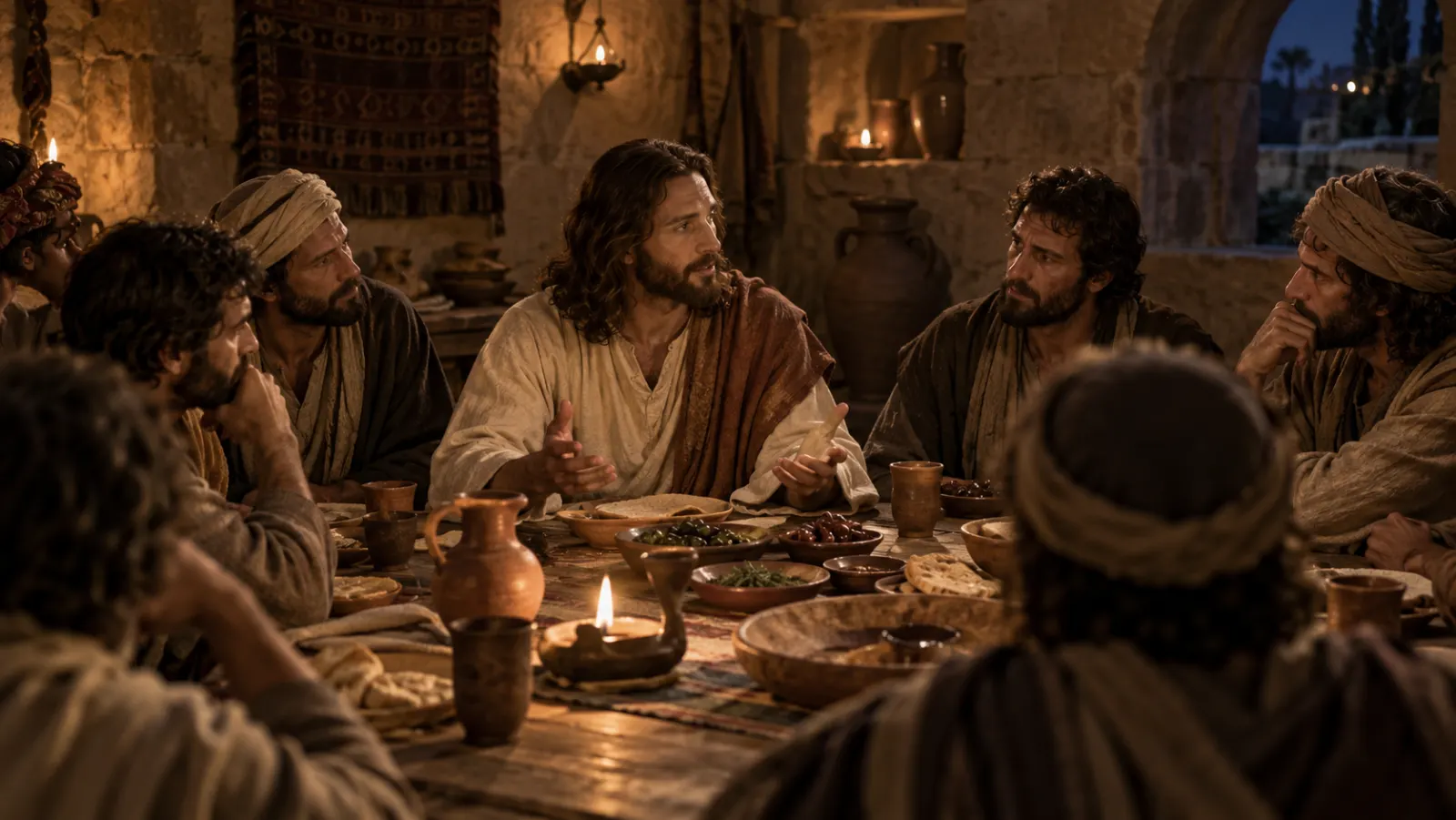
In John 14–16, Jesus promises another Helper who will be with the disciples, teach them, remind them of Jesus’ words, testify about Jesus, convict the world, guide them into truth, hear, speak, and glorify the Son. The Spirit’s work is described in interpersonal terms and within a relationship among Father, Son, Spirit, and disciples.
This is one of the reasons later Christian theology refused to treat the Spirit as a mere effect produced by God. Jesus does not simply say that power will replace his physical presence. He speaks of a divine agent who continues his ministry in relation to the Father and Son.
The Spirit Speaks, Sends, and Directs
In Acts 13, during worship and fasting in Antioch, the Holy Spirit speaks and directs the community to set apart Barnabas and Saul for a task. The missionaries are then described as sent out by the Holy Spirit. The narrative attributes intention and commission to the Spirit, not only force.
Acts 5 is even more provocative. Peter accuses Ananias of lying to the Holy Spirit and then speaks of lying to God. Trinitarian readers have long seen this as evidence of divine identification. The wording should be read carefully, but it is hard to fit comfortably with the idea that the Spirit is no more than an impersonal tool.
First Corinthians 12 lists diverse gifts and says the same Spirit works through them, distributing to each person individually as he wills. Again, Christians should avoid building an entire doctrine on a pronoun in translation. The important feature is agency: the Spirit is presented as the one who apportions and acts.
At the same time Paul places Spirit, Lord, and God in a coordinated pattern of gifts, service, and activity. Like other New Testament triads, the passage does not give a later metaphysical definition, but it helps explain why that later definition had to include the Spirit.
Why the Church Took Longer to Refine Its Language
The original Nicene Creed of 325 devotes extensive language to the Son but says only that Christians believe in the Holy Spirit. Later fourth-century controversy pushed the church to articulate the Spirit’s status more fully. That historical sequence can look suspicious if told badly, as though nobody had cared about the Spirit before 381.
A better account distinguishes practice from precision. Triadic baptismal formulas and worship are earlier than Nicaea. The later controversy was about how to state explicitly what such practices implied. Development of vocabulary does not automatically equal invention of the underlying belief.
Calling the Spirit a person can also mislead if readers imagine a separate divine individual with an independent mind and will alongside two other gods. Classical trinitarianism uses person language within the confession of one divine being, not as a synonym for three human-style selves. Modern theologians disagree about the best philosophical account of that language. The biblical point is more basic: the Spirit is not exhausted by the category of impersonal force. The Spirit acts in relation, communicates, wills, and belongs to the divine identity in ways that require richer language.
The Spirit Can Be Resisted, Grieved, and Obeyed
Other New Testament passages deepen the personal pattern. Stephen accuses his hearers of resisting the Holy Spirit. Ephesians warns believers not to grieve the Holy Spirit. Revelation repeatedly says, “hear what the Spirit says to the churches.” These expressions can be overread if each is treated as a technical definition of personhood, but together they form a consistent picture of relation, address, intention, and response. The Spirit is not described like an inert substance that humans merely possess in greater or lesser amounts.
The Spirit also relates believers to the Father and the Son rather than competing for attention. The Spirit bears witness to Christ, glorifies Christ, enables believers to confess Jesus as Lord, and produces the cry of adoption toward the Father. That relational pattern became central to trinitarian theology: the Spirit is fully divine precisely while directing the church into communion with the Father through the Son.
Why “Person” Helps—and Why It Can Mislead
The Spirit’s relation to worship also matters. The New Testament does not present Christians as building a separate devotional cult around three unrelated recipients. Instead, the Spirit draws attention to Christ and brings believers into relation with the Father. Later creeds therefore speak of the Spirit as worshiped and glorified together with Father and Son. The point is not three parallel religions inside Christianity; it is one divine life and one saving action known in irreducible personal relations.
That conclusion does not depend on pretending every metaphor is literal person-language. It depends on the range of ways the Spirit acts across the canon and on the Spirit’s place alongside Father and Son in Christian worship and salvation.
The Spirit Is Not an Appendix to Christian Faith
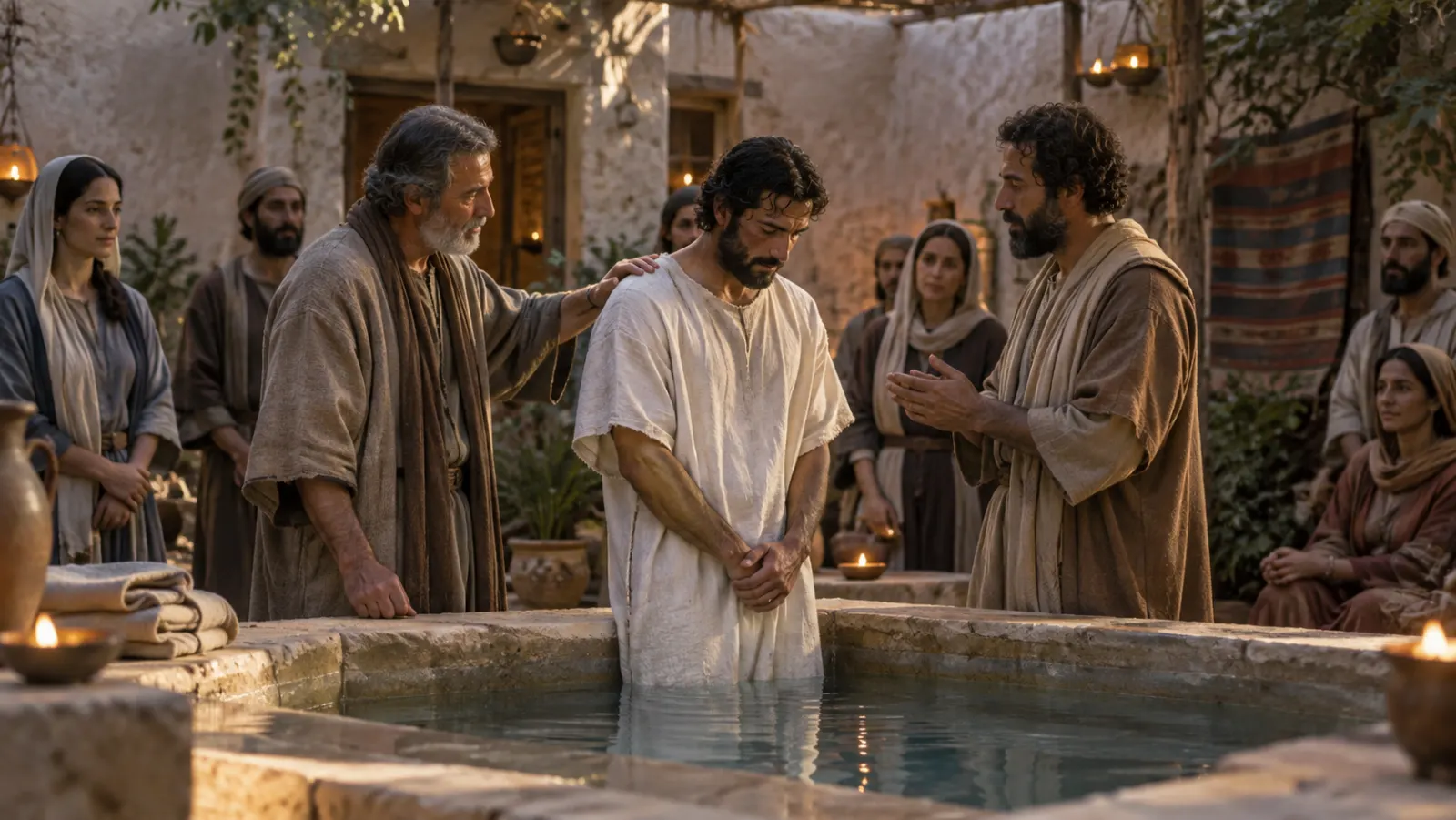
The earliest Christian baptismal practice strengthens the case. Communities did not baptize converts in the name of the Father and the Son and then add an impersonal force as a decorative third item. The threefold formula placed the Spirit within the defining confession of Christian identity. That practice alone does not settle every philosophical question, but it helps explain why later Christians found it increasingly difficult to speak of the Spirit as merely created power. The Spirit belonged inside the church’s most basic account of who God is and how believers enter God’s saving life.
The language of gift and power therefore belongs inside, not outside, the doctrine of the Spirit. Personal agency does not make the Spirit less powerful; it explains why the New Testament can speak of divine power as coming through one who teaches, sends, wills, and relates.
The Bible can speak of the Spirit as power because personal agency and power are not opposites. The Spirit empowers, fills, gives, and acts.
Historic Christianity argues that the Spirit also speaks, sends, teaches, wills, and stands in real relation to Father and Son. That is why “God’s energy” is too small a description for the full New Testament picture.
The doctrine of the Trinity therefore includes the Spirit not as an appendix to Father and Son, but as fully divine and personally active in God’s life and saving work.