The New Testament distinguishes Jesus from the Father and still assigns him divine names, divine works, divine honor, and a place inside Israel’s confession of the one God. That combination is central to trinitarian Christianity.
Arguments about whether the New Testament calls Jesus God often get reduced to a handful of translation disputes. One side points to John 1:1 or Thomas’s confession in John 20. The other side lists verses where Jesus prays, obeys, or calls the Father “my God.” The result can feel like dueling proof texts rather than a serious reading of the documents.
The stronger question is broader: how do the New Testament writers place Jesus within the identity, works, honor, and worship associated with the God of Israel while continuing to distinguish him from the Father? Trinitarian Christianity argues that the cumulative pattern is too strong to describe Jesus as only a creature, exalted prophet, or heavenly deputy.
John Begins Before Bethlehem
John’s prologue does not begin with Jesus’ birth. It begins with the Word already existing “in the beginning,” in relation with God, and described as God. Creation comes through the Word, and the Word becomes flesh. Whatever debates surround grammar and translation, John’s conceptual claim is unmistakably elevated: Jesus’ story is rooted in God’s own eternal life rather than beginning as the career of an ordinary human being.
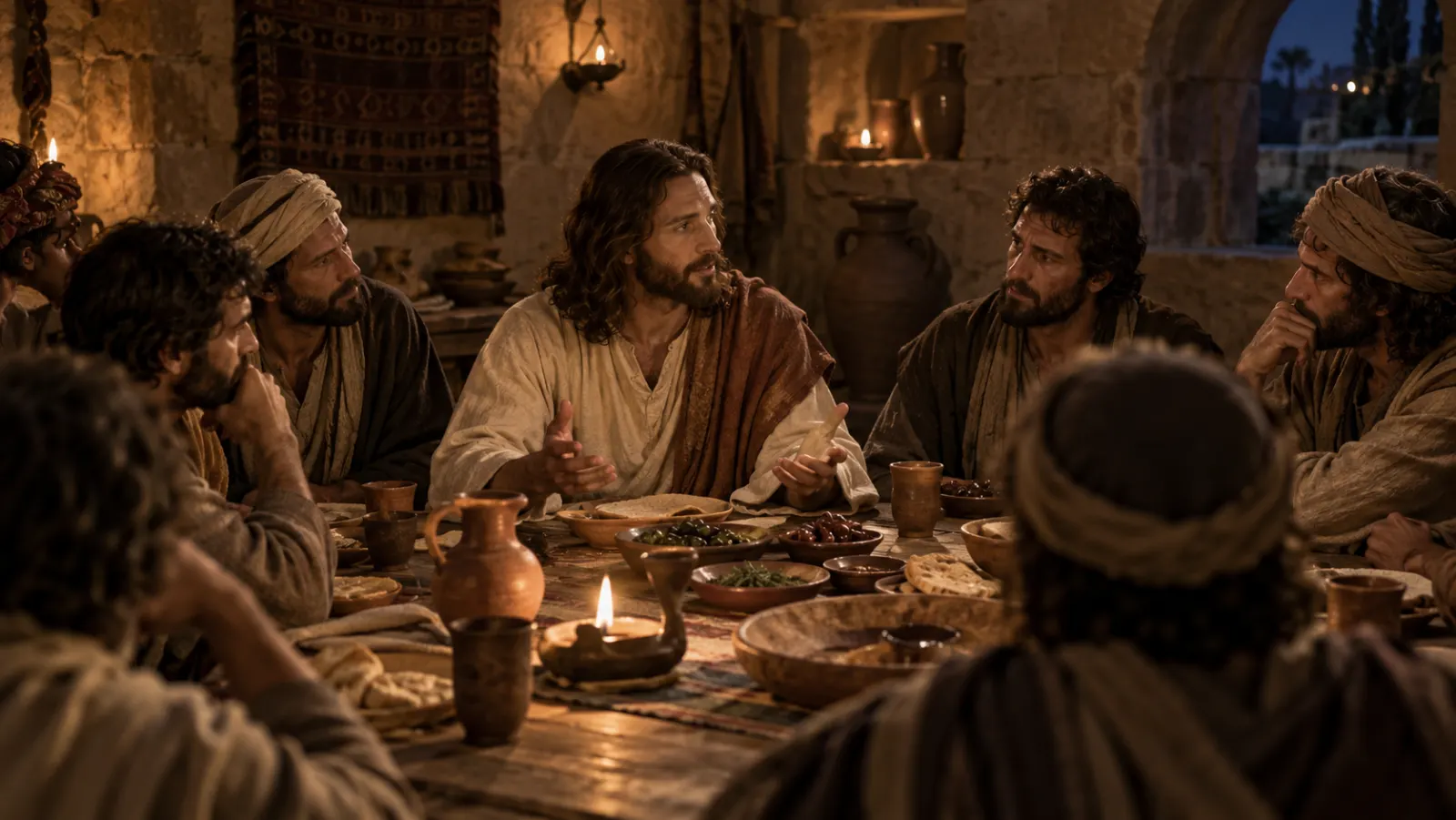
John then sustains that claim narratively. Jesus does works associated with the Father, gives life, speaks of glory shared before the world existed, and receives Thomas’s climactic confession. At the same time, Jesus speaks to the Father. John does not solve the tension by denying distinction.
Paul’s letters are earlier than the final form of the Gospels, which makes their evidence historically important. In 1 Corinthians 8, Paul affirms that there is one God and one Lord, then identifies the one God as the Father and the one Lord as Jesus Christ. Many scholars see this as a Christian rereading of the Shema rather than a departure from monotheism.
Philippians 2 portrays Christ in a remarkable arc: preexistent divine status, self-humbling, obedience to death, exaltation, and universal confession of Jesus as Lord. The language echoes Isaiah’s vision of universal acknowledgment of Israel’s God. Paul is not casually handing Jesus a polite title.
Paul and Hebrews Place Jesus Inside Divine Work and Honor
Hebrews opens by distinguishing God from the Son to whom God speaks, yet it also describes creation through the Son, calls the Son the radiance of divine glory and exact imprint of God’s being, and applies scriptural language about the Creator to him. Again, distinction and divine status sit together.
This pattern helps explain why later Christian debate centered not on whether Jesus mattered, but on how his divine status related to the one God. Arius could speak very highly of Christ while still treating him as a created being. Nicaea’s “begotten, not made” and “of one substance with the Father” were designed to close that door.
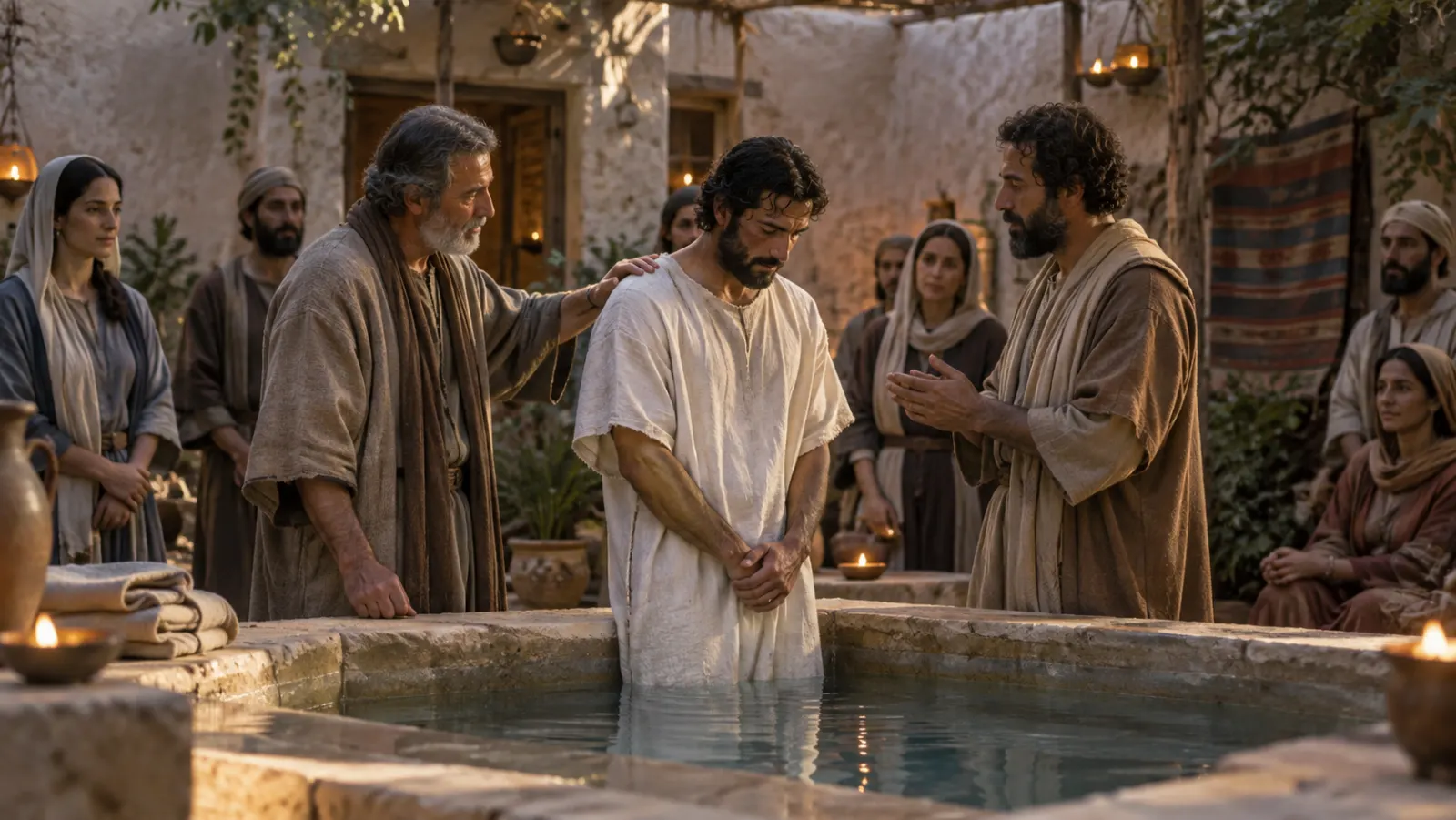
The earliest Christians emerged from Jewish monotheistic convictions that sharply distinguished the Creator from idols. Yet Jesus is invoked, confessed, sung about, baptized into, and honored in ways that would be religiously explosive if he were merely one more heavenly being. This does not mean every scene is a tidy liturgical proof of later creedal language. It means the worship pattern requires explanation.
Irenaeus, writing long before Nicaea, could summarize the church’s inherited faith around the one Father, Jesus Christ the Son, and the Holy Spirit while calling Christ Lord, God, Savior, and King. The fourth century did not invent the problem that such language creates.
The Humanity of Jesus Does Not Cancel the Claim to Deity
Some objections assume that if Jesus is tired, tempted, obedient, praying, or mortal, he cannot be divine. Historic Christianity answers by confessing incarnation: the eternal Son truly became human. The human experiences are therefore not embarrassing leftovers to be explained away; they are part of the claim.
Athanasius defended this logic in the fourth century by arguing that the divine Word truly took human nature and entered death in order to defeat corruption. Whether one accepts that theology or not, it is important to evaluate the doctrine Christians actually hold rather than a version in which Jesus only pretends to be human.
Care is still necessary. Words such as lord, son of God, and even god can have wider ranges of meaning in ancient texts than modern readers assume. A responsible argument for Christ’s deity should therefore avoid treating every occurrence of a title as a mathematical proof. The case becomes stronger when titles are read alongside creation language, worship, divine functions, scriptural texts about Israel’s God applied to Jesus, and the narrative climax of the Gospels. Cumulative arguments are slower than slogans, but they better fit the texture of the New Testament evidence.
Creation Language Raises the Stakes
Creation is one of the sharpest dividing lines in biblical monotheism. Israel’s Scriptures reserve the work of creating the heavens and the earth for God. Yet John says all things came into being through the Word, Paul says all things are through the one Lord Jesus Christ, Colossians locates creation in, through, and for the Son, and Hebrews speaks of the worlds being made through him. Intermediary language existed in Jewish thought, but the density of these claims gives Jesus a role that later Christians understood as belonging on the Creator side of the divide.
That is why the question cannot be settled by saying the New Testament sometimes calls exalted agents “lords” or uses flexible titles. Titles matter, but functions matter too. When Jesus is placed within creation, final judgment, universal worship, forgiveness, life-giving authority, and the divine name-language of Israel’s Scriptures, the cumulative portrait becomes difficult to reduce to honorific exaggeration. The trinitarian claim is that this portrait is best explained by the Son’s full participation in the one divine identity.
Why No Single Proof Text Carries the Whole Argument
This cumulative pattern also explains why the earliest controversies were so difficult. A simple adoptionist reading could account for Jesus’ humanity but struggled with preexistence and creation language. A view that made him a secondary divine being preserved exaltation but threatened Jewish monotheism. A view that identified Jesus straightforwardly with the Father erased the relational language of the Gospels. Trinitarian and incarnational doctrine developed as the church tried to avoid each reduction while holding the whole witness together.
For historic Christianity, calling Jesus God is therefore not an optional devotional exaggeration added after the New Testament. It is an attempt to say plainly what the New Testament’s integrated portrait implies while still distinguishing the Son from the Father.
The New Testament Case Is Cumulative
The resurrection intensifies these claims rather than creating them from nothing. The risen Jesus is not merely restored to ordinary life; he becomes the focal point of mission, confession, and worship. Matthew’s disciples worship him, John climaxes in Thomas’s confession, and Paul’s letters present the risen Lord as universally confessed. The resurrection therefore functions as vindication of claims already present in Jesus’ ministry and the apostolic proclamation. For trinitarian Christians, Easter does not turn a nondivine Jesus into God. It publicly confirms the identity of the Son whose divine status the New Testament already locates before and throughout his earthly mission.
The New Testament’s case for Jesus’ deity is cumulative. It includes direct language, but it is not dependent on a single verse surviving a translation debate.
Jesus is distinguished from the Father and yet included in divine creation, honor, confession, and saving work. That is exactly the combination that later trinitarian doctrine tries to preserve.
Readers can dispute the interpretation, but historically the central Christian claim did not arise from one isolated proof text. It arose from the shape of the New Testament witness as a whole.