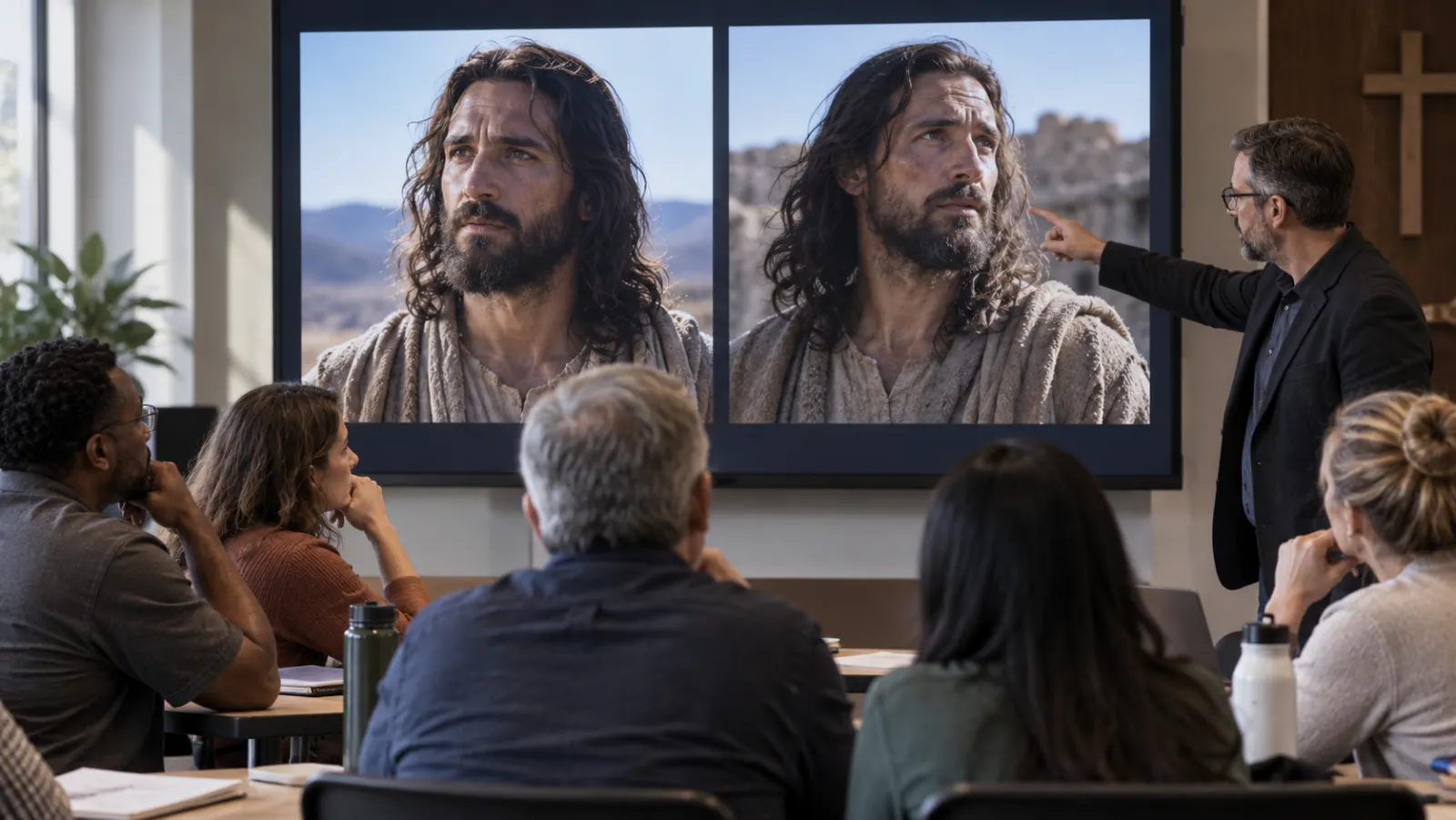
The Word became flesh, not a feed. In a lonely country, Christian community must become more than messages delivered to isolated consumers.
An American can stream three sermons before lunch and still have no one who notices an empty chair. Digital teaching can reach homebound people, shift workers, rural families, and those recovering from church harm. Yet content is not communion. A feed cannot bring soup, share a hospital waiting room, or risk the awkwardness of reconciliation.
The incarnation reveals a God who does not save by sending information alone. The Word dwells among us. That pattern does not make every gathering safe, but it gives Christian community an embodied direction.
Loneliness is more than solitude
Some people need and enjoy time alone. Loneliness is the painful gap between desired and actual connection. It can affect teenagers, new parents, widowers, immigrants, military families, remote workers, and people surrounded by a crowd. Churches should ask rather than assume what companionship someone wants.
Presence requires repetition
One spectacular welcome event rarely creates belonging. Friendship grows through meals, rides, work, prayer, conflict, and return. Small practices matter: learning a name, making room in a schedule, and noticing when a person disappears without turning concern into surveillance.
The vulnerable cannot bear all the initiative
Lonely people are often told to join a group, volunteer, or be more outgoing. Those steps may help, but institutions design the doors. Clear invitations, accessible times, transportation, childcare, and hosts trained to include newcomers distribute the burden more fairly.
Technology can serve embodiment
A video call may be the most embodied connection available across illness or distance. The question is not whether screens are real, but whether technology deepens mutual knowledge or simply extends consumption. Healthy digital ministry creates paths toward reciprocal care.
Community needs limits
No congregation can replace family, clinicians, public services, and every form of friendship. Promising total belonging can become controlling. Incarnational community names its competence, protects confidentiality, makes referrals, and permits members to have lives beyond the church.
Make absence visible without shame
A durable group knows who has not been seen and reaches out gently. It does not demand an explanation or use attendance as leverage. The goal is to communicate, You matter enough to be missed, while preserving the freedom to say no.
Questions for embodied practice
To bring this reading into an actual congregation, begin with a precise question: Who can disappear from our gatherings unnoticed? Return to John 1:14–18, separate what the passage states from what we infer, and listen first to people who will live with the consequences. Then choose one bounded action, name who owns it, and set a review date. The incarnation will not let a conclusion remain safely general when bodies, homes, and relationships will carry its cost.
The answer may land differently across American lives: Which barrier makes connection harder? Income, race, region, age, disability, work schedule, gender, and family status can alter the experience without altering the gospel. A mature community asks for concrete cases, seeks relevant expertise, and permits disagreement without threatening belonging. Biblical application becomes more faithful when it can receive new evidence, repair harm, and explain what changed.
A pastoral way to work through “The Incarnation and American Loneliness” is to ask: Does our technology lead toward mutual care? Sincerity is not enough. Care requires consent, resources, limits, and accountability. A church should say what it can offer, what lies outside its competence, and which qualified partners it will involve. Prayer and study sustain the process; neither replaces professional attention nor permits another person's vulnerability to become institutional publicity.
To bring this reading into an actual congregation, begin with a precise question: Are we promising what a church cannot provide? Return to John 1:14–18, separate what the passage states from what we infer, and listen first to people who will live with the consequences. Then choose one bounded action, name who owns it, and set a review date. The incarnation will not let a conclusion remain safely general when bodies, homes, and relationships will carry its cost.
The answer may land differently across American lives: What repeated practice could make belonging durable? Income, race, region, age, disability, work schedule, gender, and family status can alter the experience without altering the gospel. A mature community asks for concrete cases, seeks relevant expertise, and permits disagreement without threatening belonging. Biblical application becomes more faithful when it can receive new evidence, repair harm, and explain what changed.
When this practice is reviewed, the community can record what happened after asking: Who can disappear from our gatherings unnoticed? The impression of those who designed the response is not enough. Receive voluntary testimony, notice unexpected costs, and identify who remained outside. If the practice did not produce truth, justice, care, and communion, changing it does not betray biblical conviction; it may be a humble way to obey more faithfully. Review 1 should end with a decision people can understand and see communicated.
When this practice is reviewed, the community can record what happened after asking: Which barrier makes connection harder? The impression of those who designed the response is not enough. Receive voluntary testimony, notice unexpected costs, and identify who remained outside. If the practice did not produce truth, justice, care, and communion, changing it does not betray biblical conviction; it may be a humble way to obey more faithfully. Review 2 should end with a decision people can understand and see communicated.
When this practice is reviewed, the community can record what happened after asking: Does our technology lead toward mutual care? The impression of those who designed the response is not enough. Receive voluntary testimony, notice unexpected costs, and identify who remained outside. If the practice did not produce truth, justice, care, and communion, changing it does not betray biblical conviction; it may be a humble way to obey more faithfully. Review 3 should end with a decision people can understand and see communicated.
When this practice is reviewed, the community can record what happened after asking: Are we promising what a church cannot provide? The impression of those who designed the response is not enough. Receive voluntary testimony, notice unexpected costs, and identify who remained outside. If the practice did not produce truth, justice, care, and communion, changing it does not betray biblical conviction; it may be a humble way to obey more faithfully. Review 4 should end with a decision people can understand and see communicated.
When this practice is reviewed, the community can record what happened after asking: What repeated practice could make belonging durable? The impression of those who designed the response is not enough. Receive voluntary testimony, notice unexpected costs, and identify who remained outside. If the practice did not produce truth, justice, care, and communion, changing it does not betray biblical conviction; it may be a humble way to obey more faithfully. Review 5 should end with a decision people can understand and see communicated.
When this practice is reviewed, the community can record what happened after asking: Who can disappear from our gatherings unnoticed? The impression of those who designed the response is not enough. Receive voluntary testimony, notice unexpected costs, and identify who remained outside. If the practice did not produce truth, justice, care, and communion, changing it does not betray biblical conviction; it may be a humble way to obey more faithfully. Review 6 should end with a decision people can understand and see communicated.
Jesus did not become embodied so that churches could despise digital tools. He shows why tools must remain tools: human beings need mutual, accountable presence.
A congregation may begin modestly—with one shared table, one reliable ride, one visit, and one returned call. The incarnation gives those ordinary acts a surprising theological weight.