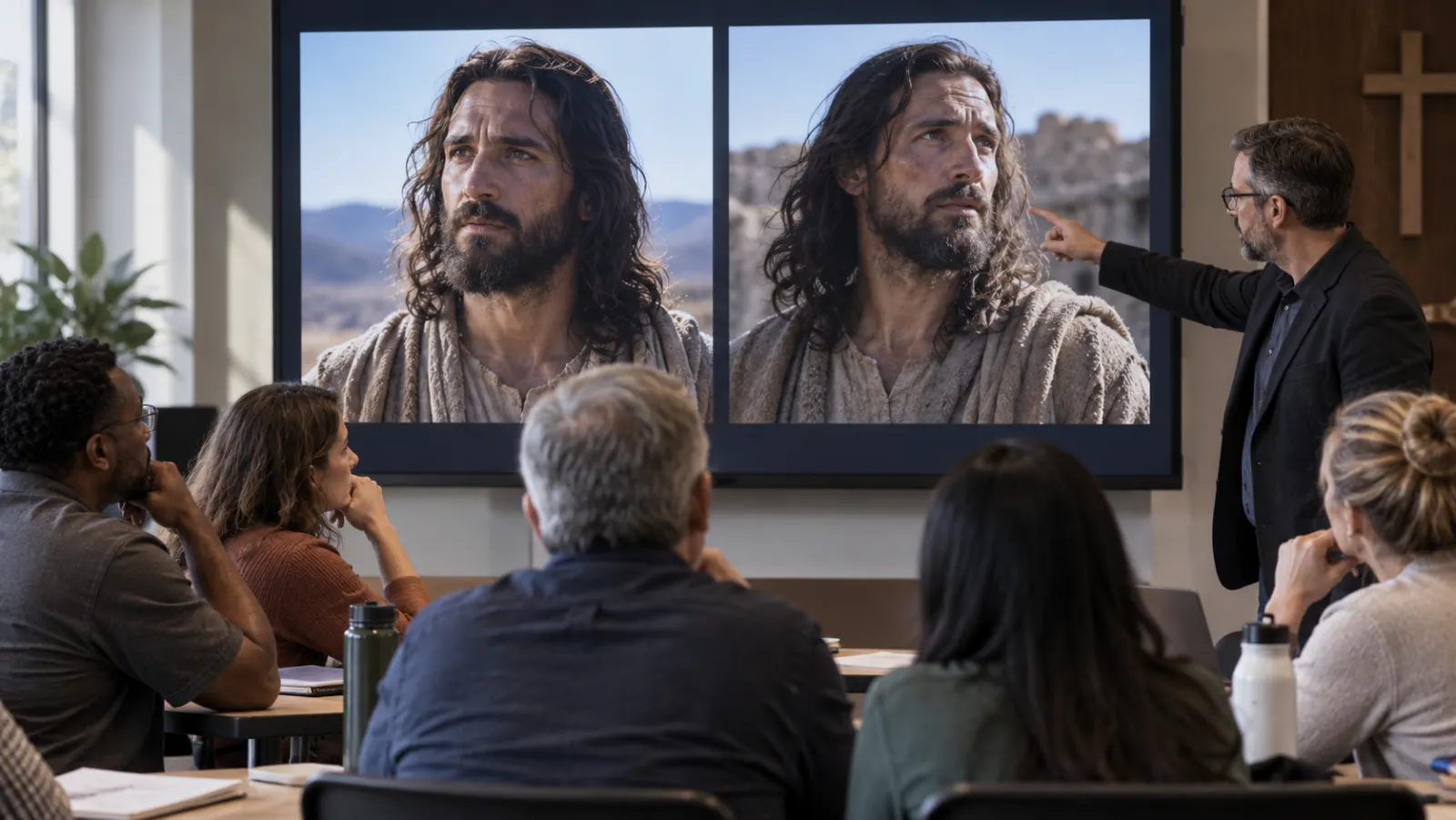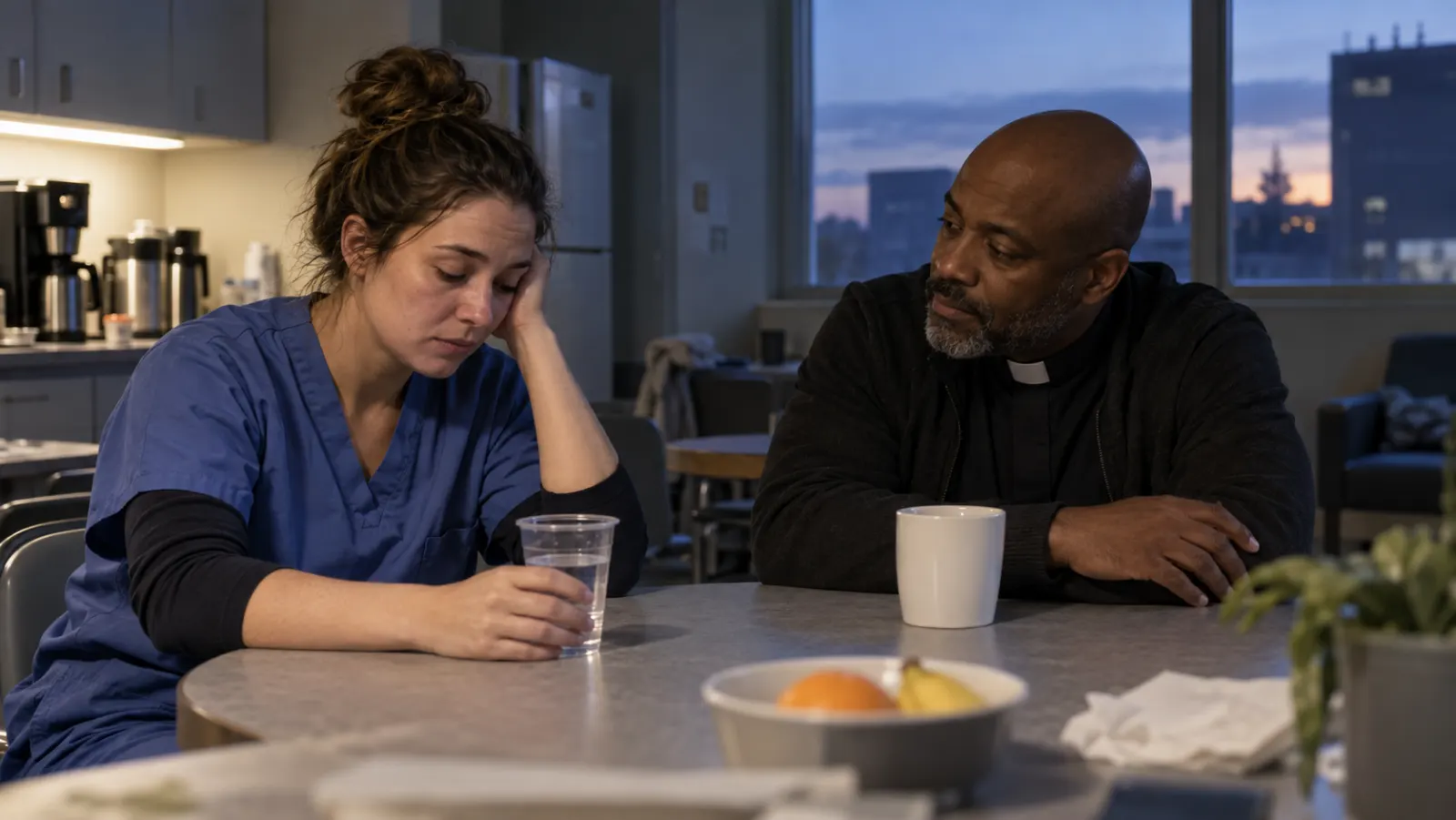
American culture alternates between worshiping the body and treating it as a problem to fix. The incarnation offers neither obsession nor contempt.
The American body is always being graded. It is too old, too soft, too disabled, too tired, too anxious, insufficiently optimized. A second message answers by insisting that every feeling about the body must be positive. Many people live between the two, carrying pain, gratitude, illness, pleasure, shame, and ordinary ambivalence.
Christian faith begins its response not with a mirror slogan but with Jesus. The eternal Son received a body, lived through it, offered it, and was raised bodily. That story refuses both body worship and body hatred.
Bodies are not spiritual obstacles
Some church language treats the real self as a soul waiting to escape meat and bone. Scripture’s hope is resurrection, not deletion. Bodily life can be wounded and disordered, but matter itself is not the enemy. Food, sleep, touch, mobility, and pain belong within discipleship.
Appearance cannot carry identity
Wellness marketing often sells moral innocence through disciplined consumption. Churches can baptize the same hierarchy when thinness, youth, strength, fertility, or conventional beauty becomes evidence of self-control and blessing. Jesus’ body was the place of faithful love, not a display of market value.
Care is different from control
Medical care, movement, nutrition, and rest may support health. They become cruel when a person’s worth depends on measurable improvement or when strangers claim authority over someone else’s body. Christian care asks consent, respects expertise, and recognizes disability and chronic illness without assigning blame.
Communion teaches dependence
At the Lord’s Table, believers receive rather than perform. Bread and cup remind a congregation that salvation comes as gift and that bodies need nourishment. The practice also exposes hypocrisy when the same church excludes people through stairs, narrow seating, sensory overload, or contempt.
Jesus keeps his scars
The risen Jesus is transformed, yet the wounds are not edited out of recognition. Christians should not romanticize injury, but the scars interrupt the fantasy that redemption requires a flawless past or an unmarked body. God’s future can hold truthful continuity and healing together.
A gentler church vocabulary
Leaders can stop using weight loss as an automatic testimony, stop commenting on bodies from the platform, and stop promising that faith will cure every condition. They can make room for lament, qualified clinical help, accessible participation, and gratitude that is not forced cheerfulness.
Questions for embodied practice
To bring this reading into an actual congregation, begin with a precise question: Which bodies are treated as successful in our community? Return to Luke 24:36–43, separate what the passage states from what we infer, and listen first to people who will live with the consequences. Then choose one bounded action, name who owns it, and set a review date. The incarnation will not let a conclusion remain safely general when bodies, homes, and relationships will carry its cost.
The answer may land differently across American lives: Have we confused health with moral worth? Income, race, region, age, disability, work schedule, gender, and family status can alter the experience without altering the gospel. A mature community asks for concrete cases, seeks relevant expertise, and permits disagreement without threatening belonging. Biblical application becomes more faithful when it can receive new evidence, repair harm, and explain what changed.
A pastoral way to work through “A Savior with a Body” is to ask: What physical barrier can we remove? Sincerity is not enough. Care requires consent, resources, limits, and accountability. A church should say what it can offer, what lies outside its competence, and which qualified partners it will involve. Prayer and study sustain the process; neither replaces professional attention nor permits another person's vulnerability to become institutional publicity.
To bring this reading into an actual congregation, begin with a precise question: Does our language permit grief as well as gratitude? Return to Luke 24:36–43, separate what the passage states from what we infer, and listen first to people who will live with the consequences. Then choose one bounded action, name who owns it, and set a review date. The incarnation will not let a conclusion remain safely general when bodies, homes, and relationships will carry its cost.
The answer may land differently across American lives: How does resurrection change the way we see scars? Income, race, region, age, disability, work schedule, gender, and family status can alter the experience without altering the gospel. A mature community asks for concrete cases, seeks relevant expertise, and permits disagreement without threatening belonging. Biblical application becomes more faithful when it can receive new evidence, repair harm, and explain what changed.
When this practice is reviewed, the community can record what happened after asking: Which bodies are treated as successful in our community? The impression of those who designed the response is not enough. Receive voluntary testimony, notice unexpected costs, and identify who remained outside. If the practice did not produce truth, justice, care, and communion, changing it does not betray biblical conviction; it may be a humble way to obey more faithfully. Review 1 should end with a decision people can understand and see communicated.
When this practice is reviewed, the community can record what happened after asking: Have we confused health with moral worth? The impression of those who designed the response is not enough. Receive voluntary testimony, notice unexpected costs, and identify who remained outside. If the practice did not produce truth, justice, care, and communion, changing it does not betray biblical conviction; it may be a humble way to obey more faithfully. Review 2 should end with a decision people can understand and see communicated.
When this practice is reviewed, the community can record what happened after asking: What physical barrier can we remove? The impression of those who designed the response is not enough. Receive voluntary testimony, notice unexpected costs, and identify who remained outside. If the practice did not produce truth, justice, care, and communion, changing it does not betray biblical conviction; it may be a humble way to obey more faithfully. Review 3 should end with a decision people can understand and see communicated.
When this practice is reviewed, the community can record what happened after asking: Does our language permit grief as well as gratitude? The impression of those who designed the response is not enough. Receive voluntary testimony, notice unexpected costs, and identify who remained outside. If the practice did not produce truth, justice, care, and communion, changing it does not betray biblical conviction; it may be a humble way to obey more faithfully. Review 4 should end with a decision people can understand and see communicated.
When this practice is reviewed, the community can record what happened after asking: How does resurrection change the way we see scars? The impression of those who designed the response is not enough. Receive voluntary testimony, notice unexpected costs, and identify who remained outside. If the practice did not produce truth, justice, care, and communion, changing it does not betray biblical conviction; it may be a humble way to obey more faithfully. Review 5 should end with a decision people can understand and see communicated.
When this practice is reviewed, the community can record what happened after asking: Which bodies are treated as successful in our community? The impression of those who designed the response is not enough. Receive voluntary testimony, notice unexpected costs, and identify who remained outside. If the practice did not produce truth, justice, care, and communion, changing it does not betray biblical conviction; it may be a humble way to obey more faithfully. Review 6 should end with a decision people can understand and see communicated.
The incarnation does not tell every person to love every sensation or appearance. It tells the church that bodily life is worthy of reverence, protection, truth, and hope.
Jesus saves people with bodies, not from the fact of having them. That confession can loosen shame and teach communities to practice care without turning care into control.