Predicted dates for Christ's return keep failing, but the damage does not end at midnight. Churches owe disappointed people truth, repair, and better habits of reading.
The morning after a predicted end of the world is painfully ordinary. The sun rises. The rent is still due. A child still needs breakfast. For people who sold property, left school, delayed medical care, or warned relatives with absolute certainty, ordinary time can feel like public humiliation. Outsiders laugh, leaders revise the calculation, and some followers quietly disappear from church.
Christian history contains repeated attempts to convert biblical expectation into a date. The details vary, but the pattern is familiar: a persuasive interpreter aligns numbers and current events, urgency becomes loyalty, and caution is recast as spiritual sleep. Jesus' words are less cooperative. The disciples are told they do not know and are given work to do while the master is away.
Watchfulness is not calculation
In Mark 13, ignorance of the timing is not a problem the clever disciple solves. It is the condition under which all disciples watch. Readiness means each servant attends to an assigned task. The uncertainty democratizes faithfulness: no insider possesses the date, and no ordinary believer is excused from steady obedience.
Predictions have material costs
A failed date is not merely a mistaken opinion. People may lose savings, education, relationships, or confidence in Scripture. Children can absorb terror. Churches that hosted the claim share responsibility for examining what they amplified. A quiet edit to an old video does not address consequences carried by listeners.
Do not rescue the leader with a new formula
When the date passes, the prediction may be spiritualized or moved. Admitting error can seem more threatening than recalculating because authority was built on special insight. Leaders should state plainly what was claimed, why it was wrong, and which interpretive habits will change. Repentance without a clear object is public relations.
Make room for embarrassed believers
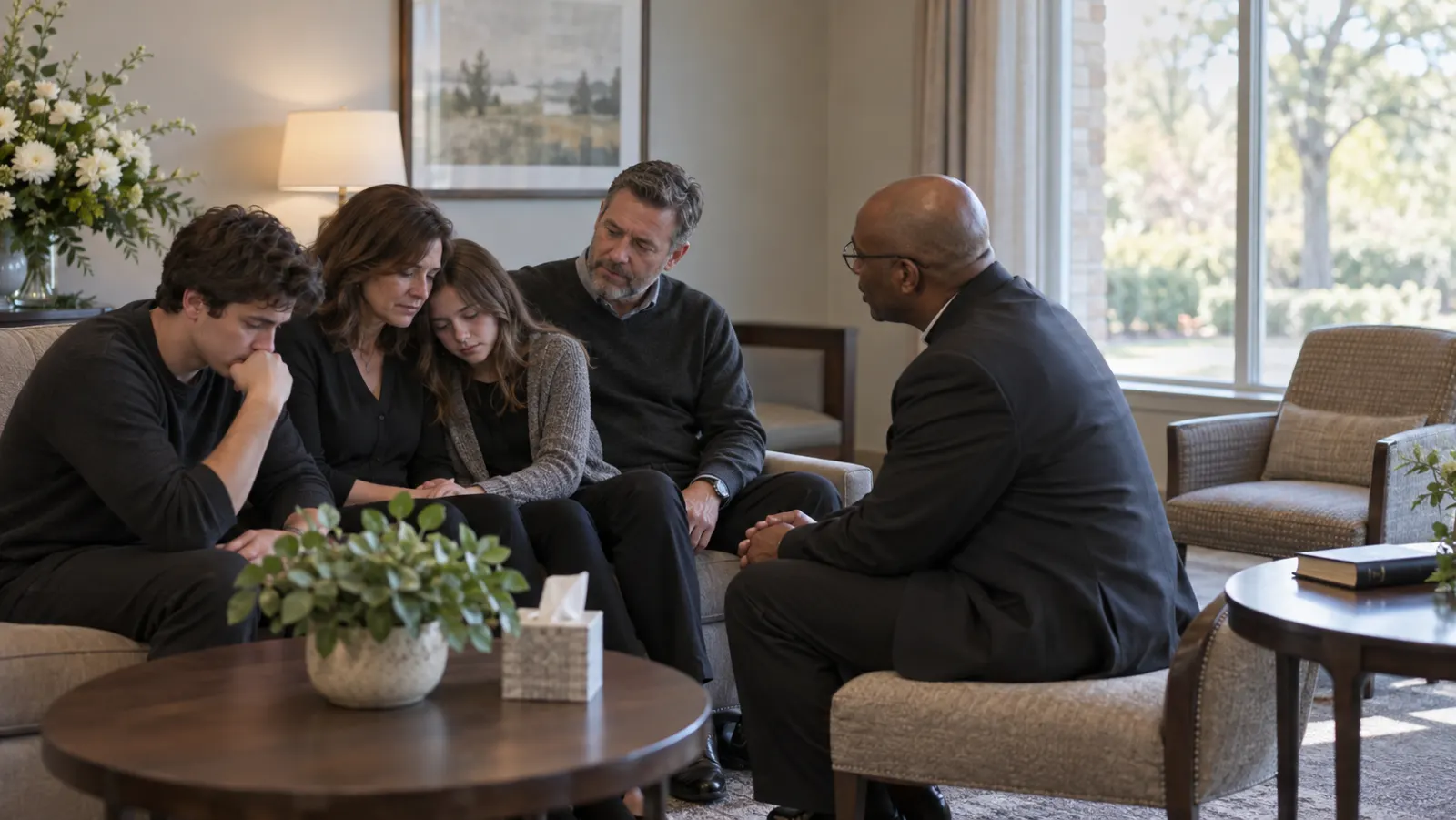
People who trusted the prediction may fear mockery. They need patient listening, practical help, and permission to grieve. Some will question the faith itself. Defending God by minimizing their loss will deepen it. A congregation can distinguish the promise of Christ's return from the failed confidence of an interpreter.
Teach uncertainty before a crisis
Churches can name the limits of every end-times system, place sensational claims beside the whole passage, and refuse emergency fundraising built on dates. Children and teens should hear that dramatic certainty is not mature faith. Questions are safeguards, not evidence that the heart is cold.
Time is mercy, not embarrassment
Second Peter addresses scoffing at delay by reframing it as God's patience. The apparent slowness does not authorize complacency; it opens space for repentance and holy life. Christians need not manufacture urgency. Every neighbor already matters, every injustice already calls for response, and every day is already received from God.
Questions to carry into community
A useful conversation about “No One Knows the Day” can begin here: What did a failed prediction cost people in our community? Ask for concrete examples, distinguish what Mark 13:32–37 actually says from a reasonable inference, and name the information still missing. People who will live with the decision should speak before leaders close the question. Then choose one bounded action, assign responsibility, and set a review date. Faithfulness is not proved by solving everything in an evening; it appears when truth, care, and accountability stay together.
The question has to leave the study room: Can our leaders admit a specific interpretive error publicly? In American congregations, the same policy lands differently depending on income, race, gender, disability, work schedule, family status, and institutional power. Hearing those differences does not weaken biblical authority. It helps a church avoid mistaking the habits of decision-makers for the center of the gospel. Before announcing a rule, test it against actual cases, seek relevant expertise, and explain how someone can appeal without losing belonging.
To keep date-setting from becoming a slogan, ask again: Which safeguards exist before sensational claims are platformed? A Christian answer needs more than sincere intent. It needs boundaries, resources, consent, and visible ownership. It should also state what the congregation cannot provide and which qualified partner it will involve. Prayer and study belong in the process, but neither replaces checking facts or protecting the person who would bear the cost of a preventable mistake.
A useful conversation about “No One Knows the Day” can begin here: How do we support those who feel ashamed or spiritually disoriented? Ask for concrete examples, distinguish what Mark 13:32–37 actually says from a reasonable inference, and name the information still missing. People who will live with the decision should speak before leaders close the question. Then choose one bounded action, assign responsibility, and set a review date. Faithfulness is not proved by solving everything in an evening; it appears when truth, care, and accountability stay together.
The question has to leave the study room: What assigned work should occupy us while the timing remains unknown? In American congregations, the same policy lands differently depending on income, race, gender, disability, work schedule, family status, and institutional power. Hearing those differences does not weaken biblical authority. It helps a church avoid mistaking the habits of decision-makers for the center of the gospel. Before announcing a rule, test it against actual cases, seek relevant expertise, and explain how someone can appeal without losing belonging.
One final check
Before closing “No One Knows the Day,” return to Mark 13:32–37 and summarize three things separately: what the text states, what interpretation the community holds, and what application it proposes for this moment. That distinction allows a practice to be corrected without treating every correction as abandonment of faith. A reader from another generation, a person affected, and someone with relevant expertise can test the conclusion. If there is no way to receive new evidence or acknowledge unintended harm, discernment is not finished.
In a later review of “No One Knows the Day,” leaders can record what happened after asking: What did a failed prediction cost people in our community? An impression from one service or the view of those who designed the response is not enough. Hear voluntary testimony, notice unexpected costs, and identify who remained outside. If the practice did not produce truth, justice, care, and communion, changing it does not betray biblical conviction; it may be a humble way to obey more faithfully. Review step 1 should end with a decision people can understand and see communicated.
In a later review of “No One Knows the Day,” leaders can record what happened after asking: Can our leaders admit a specific interpretive error publicly? An impression from one service or the view of those who designed the response is not enough. Hear voluntary testimony, notice unexpected costs, and identify who remained outside. If the practice did not produce truth, justice, care, and communion, changing it does not betray biblical conviction; it may be a humble way to obey more faithfully. Review step 2 should end with a decision people can understand and see communicated.
In a later review of “No One Knows the Day,” leaders can record what happened after asking: Which safeguards exist before sensational claims are platformed? An impression from one service or the view of those who designed the response is not enough. Hear voluntary testimony, notice unexpected costs, and identify who remained outside. If the practice did not produce truth, justice, care, and communion, changing it does not betray biblical conviction; it may be a humble way to obey more faithfully. Review step 3 should end with a decision people can understand and see communicated.
The church cannot promise that no charismatic date-setter will appear again. It can build habits that make the claim easier to test and harder to weaponize.
No one knows the day. That sentence does not weaken hope. It protects hope from the people who would make access to a secret calendar the measure of faith.