The apostles read Israel’s Scriptures as promise, pattern, lament, and hope brought to fullness in Jesus—not as a codebook detached from history.
Many American Christians first meet prophecy through a chart: verse on the left, event on the right, checkmark in the middle. The method can identify real connections, but it can also make the Old Testament sound like a collection of fortune cookies waiting for Jesus to arrive.
The New Testament writers read more deeply. They believed Israel’s God had acted decisively in Jesus, then returned to Israel’s Scriptures to see promise, pattern, kingship, exile, lament and rescue converging in him. Fulfillment meant bringing a story to its intended fullness.
Prophets addressed their own neighbors
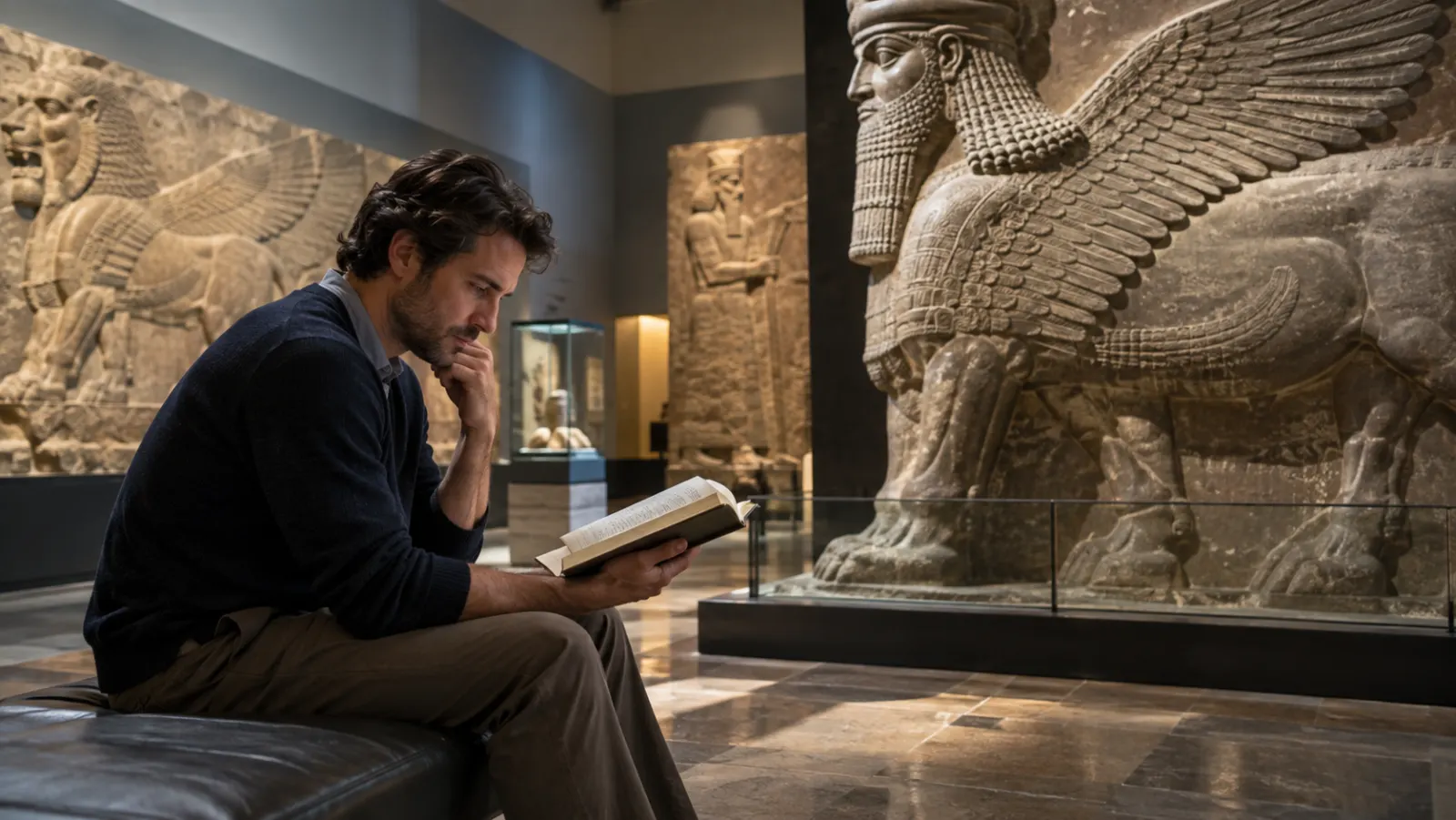
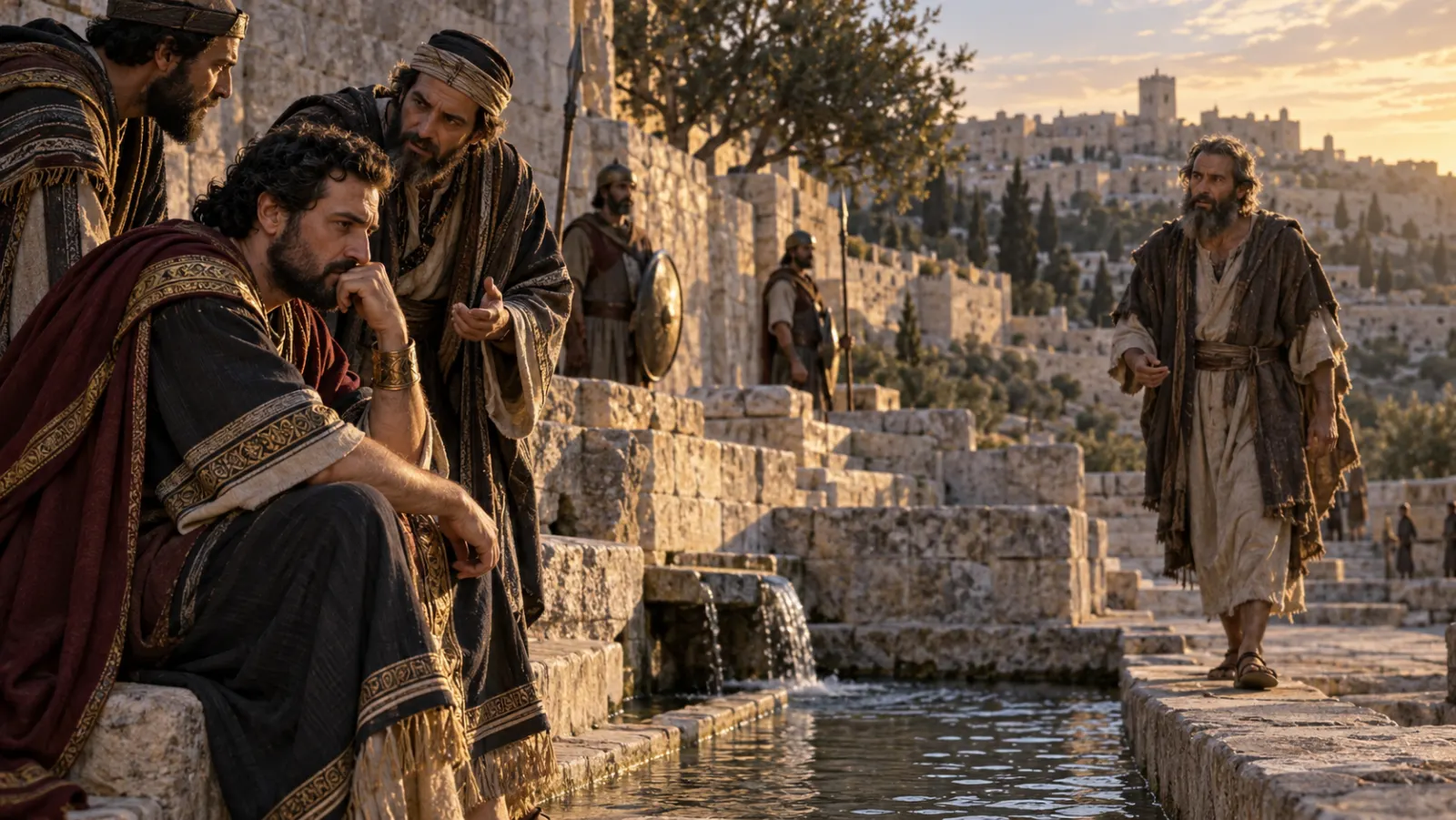
Isaiah, Micah and Jeremiah were not writing floating sentences for readers centuries later. They confronted kings, warned cities, comforted exiles and interpreted covenant life. Christian reading becomes more credible when it first asks what a passage meant in that world.
Prediction is real, but not the only category
Some texts announce what God will do. Others establish a pattern: a faithful son, an exodus, a rejected stone, a suffering righteous person. Matthew can therefore say an earlier event is fulfilled in Jesus because the story reaches a greater and decisive repetition.
Jesus teaches a whole-Bible reading
On the road to Emmaus, Jesus does not hand the disciples one secret proof text. He interprets Moses and the Prophets around the Messiah’s suffering and glory. The destination is Christ, but the road still passes through the texture of Israel’s story.
Fulfillment does not cancel Jewish meaning
Christians confess Jesus as Israel’s Messiah; that confession must not turn Jewish Scripture or Jewish people into disposable scenery. The church receives these writings from Israel and should speak with gratitude, historical care and opposition to antisemitism.
A better practice than prophecy scoring
Instead of assigning percentages to modern headlines, readers can trace repeated images, compare quotations with their original settings and notice how the apostles argue. This approach is slower than a viral prediction, but it is more accountable to the Bible in front of us.
Questions for reading and living the promise
A congregational reading can begin with one focused question: What did this passage communicate to its first hearers? Return to Luke 24:13–35, read what comes before and after, and distinguish the passage's claim from our inferences. Then name who would carry the consequences of an application, what further knowledge is needed, and one bounded action that can be reviewed. Prophecy was not given to make readers feel superior; it calls God's people toward trust, truth, and concrete obedience.
The question changes when it touches actual American lives: Is the New Testament using prediction, pattern, or both? Region, income, race, age, disability, work schedule, gender, and immigration status can change the experience without changing the gospel. Listening for those differences keeps an application designed in one office from being imposed on everyone. Revising a plan when new evidence appears does not weaken faith. It can show that biblical authority was taken seriously enough to examine our habits.
To work responsibly with “How the New Testament Reads Old Testament Prophecy,” ask: What changes when we read the surrounding chapter? A faithful answer includes consent, limits, resources, and someone accountable for follow-through. Prayer and study sustain the work, but they do not replace legal, medical, historical, or safeguarding expertise when it is needed. Nor do they permit another person's vulnerability to become evidence of institutional success. Mature Christian practice can state what it will do, what lies outside its competence, and when results will be reviewed.
A review should follow the first action: Does our interpretation honor Israel’s place in the story? The impressions of those who designed the response are not enough. Receive voluntary testimony, notice unintended costs, and identify who remained outside. If a practice produced fear, dependence, or silence rather than truth, justice, care, and communion, changing it need not betray biblical conviction. Interpretive humility becomes visible when an institution repairs harm and explains clearly what it learned.
This prophecy can become prayer without becoming a slogan: Are we reading Scripture or merely matching headlines? A faithful prayer names the historical setting, gives thanks for the fulfillment Christians recognize in Jesus, and asks for wisdom in the present. It then leaves room for people with different experiences to answer without pressure. The goal is not to extract an identical sentence from everyone, but to form a community able to stay together while learning patient obedience and admitting the limits of its knowledge.
When the team returns to the question—What did this passage communicate to its first hearers?—it should record an understandable decision, the biblical reason for it, and a review date. If no one can describe how a relationship, budget, or practice would change, the application is still too general. Fulfillment in Christ does not eliminate the work of wisdom. It directs that work toward obedience that can be observed, corrected, and shared without manipulation. Review 1 should close with a communicated conclusion.
When the team returns to the question—Is the New Testament using prediction, pattern, or both?—it should record an understandable decision, the biblical reason for it, and a review date. If no one can describe how a relationship, budget, or practice would change, the application is still too general. Fulfillment in Christ does not eliminate the work of wisdom. It directs that work toward obedience that can be observed, corrected, and shared without manipulation. Review 2 should close with a communicated conclusion.
When the team returns to the question—What changes when we read the surrounding chapter?—it should record an understandable decision, the biblical reason for it, and a review date. If no one can describe how a relationship, budget, or practice would change, the application is still too general. Fulfillment in Christ does not eliminate the work of wisdom. It directs that work toward obedience that can be observed, corrected, and shared without manipulation. Review 3 should close with a communicated conclusion.
When the team returns to the question—Does our interpretation honor Israel’s place in the story?—it should record an understandable decision, the biblical reason for it, and a review date. If no one can describe how a relationship, budget, or practice would change, the application is still too general. Fulfillment in Christ does not eliminate the work of wisdom. It directs that work toward obedience that can be observed, corrected, and shared without manipulation. Review 4 should close with a communicated conclusion.
When the team returns to the question—Are we reading Scripture or merely matching headlines?—it should record an understandable decision, the biblical reason for it, and a review date. If no one can describe how a relationship, budget, or practice would change, the application is still too general. Fulfillment in Christ does not eliminate the work of wisdom. It directs that work toward obedience that can be observed, corrected, and shared without manipulation. Review 5 should close with a communicated conclusion.
When the team returns to the question—What did this passage communicate to its first hearers?—it should record an understandable decision, the biblical reason for it, and a review date. If no one can describe how a relationship, budget, or practice would change, the application is still too general. Fulfillment in Christ does not eliminate the work of wisdom. It directs that work toward obedience that can be observed, corrected, and shared without manipulation. Review 6 should close with a communicated conclusion.
Old Testament prophecy bears witness to Jesus through promises that are spoken in history and completed without being emptied of that history.
The strongest Christian case is not a pile of mysterious coincidences. It is the coherence of a long story whose God remains faithful and whose center, Christians believe, is Jesus.