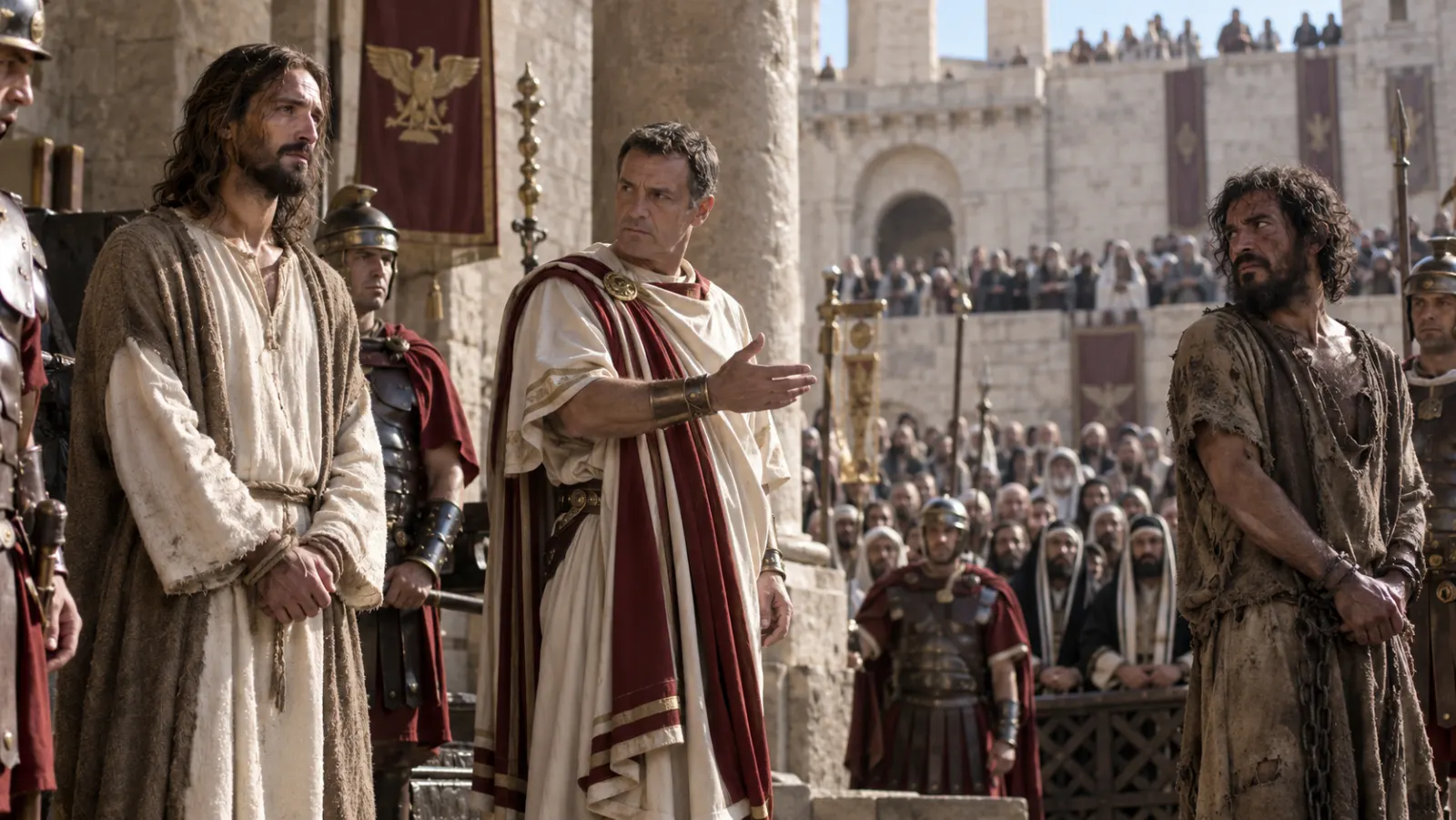
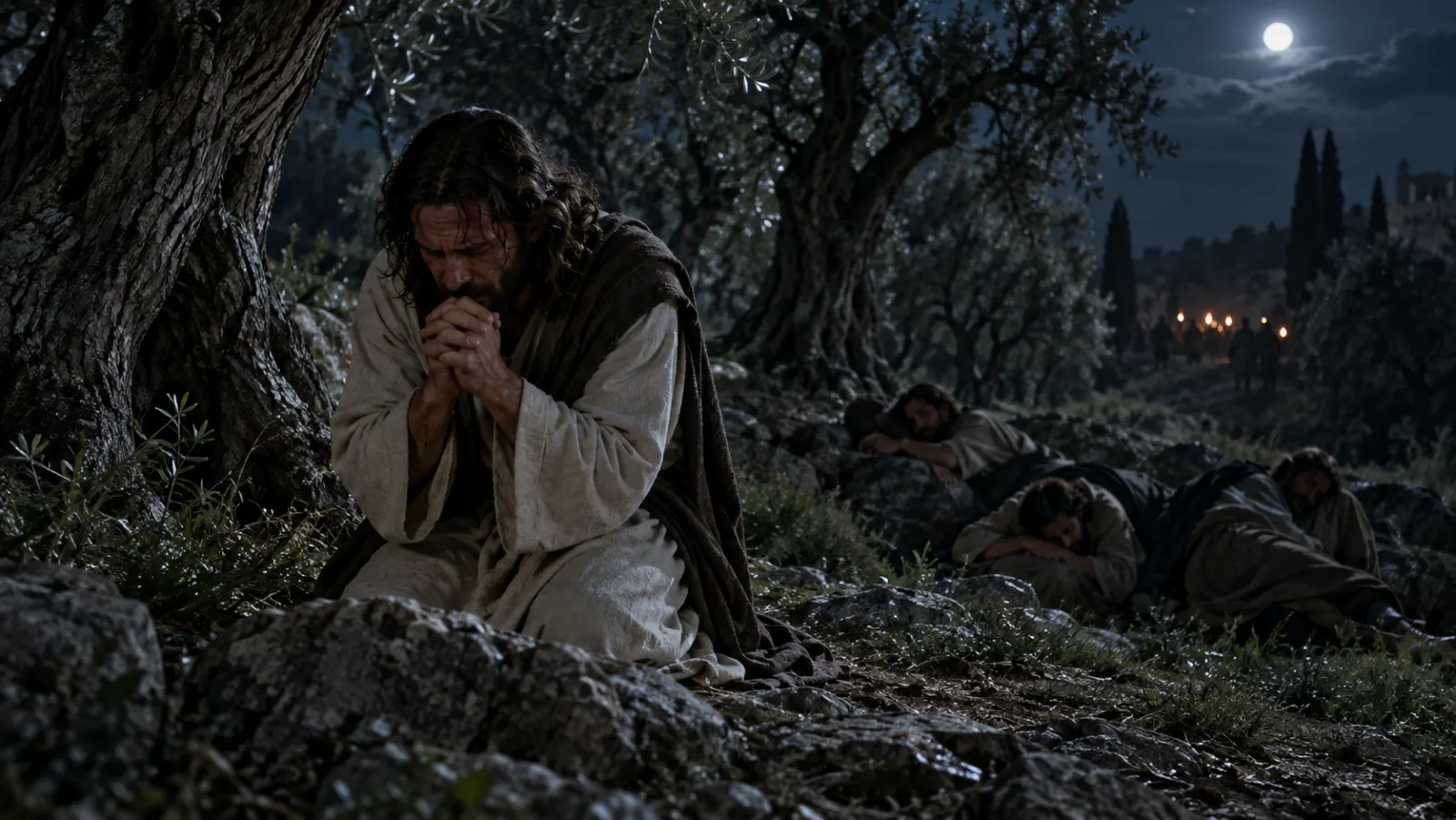
Holy Week vocabulary can feel obvious to lifelong churchgoers and completely foreign to everyone else. The terms are later Christian tradition, not labels printed inside the Gospels.
Walk into an American church in late March or April and you may hear a string of names that sound as though they came straight from the Bible: Palm Sunday, Holy Monday, Maundy Thursday, Good Friday, Holy Saturday. They did not. The events behind them come from the Gospels, but the labels belong to the church’s later effort to remember those events in an ordered annual rhythm. For people raised in liturgical traditions, the vocabulary feels natural. For others, “Maundy” sounds like a typo.
Understanding the calendar is useful because it can guide readers through the Passion. It is also important to distinguish liturgy from Scripture. Mark never says, “On Maundy Thursday.” John never calls the day of crucifixion “Good Friday.” These are interpretive and devotional names developed in Christian history. They are not dishonest additions; they are memory tools. Problems arise only when later labels are treated as if they settle every chronological question the Gospels themselves leave open.
“Holy Week” is a Christian way of gathering the final events
Early Christians remembered Jesus’ death and resurrection from the beginning, and Sunday worship itself was shaped by resurrection faith. Over time, churches developed annual patterns that concentrated attention on the final days before Easter. By late antiquity, Jerusalem in particular became a setting for detailed commemorations connected with the places associated with Jesus’ final week.
The phrase Holy Week eventually became a convenient name for this period. Different traditions organize its days differently, and not every Protestant church uses the whole sequence. Still, the basic purpose is understandable: slow the story down. Instead of jumping from the triumphal entry to Easter morning, the church walks through confrontation, supper, betrayal, arrest, suffering, and burial.
Palm Sunday takes its name from John’s branches
All four Gospels describe Jesus’ entry into Jerusalem, but John explicitly identifies the branches as palm branches. That detail supplied the later Christian name Palm Sunday. In many churches, palms are blessed, carried in procession, folded into crosses, or saved and later burned for Ash Wednesday in traditions that observe Lent.
The practice is devotional rather than commanded in the New Testament. Its value lies in embodied memory: worshipers do something with their hands that recalls the crowd’s welcome. Yet the danger is also obvious. A palm procession can become a cheerful pageant detached from the conflict that follows. The church calendar works best when Palm Sunday opens the Passion rather than replacing it.
“Maundy” comes from the command to love
The unusual English word “Maundy” is commonly traced to the Latin mandatum, “command,” connected with Jesus’ commandment in John 13 that his disciples love one another as he has loved them. The day therefore became associated with the Last Supper, foot washing, the new commandment, and the institution of the Lord’s Supper in the Synoptic tradition.
American churches observe the evening in different ways. Some wash feet. Some celebrate Communion. Some end the service in darkness or remove decorations from the sanctuary. None of those practices should be confused with a scriptural requirement. They are attempts to let the emotional movement of the Gospel night shape worship: intimacy, command, betrayal, and the approaching arrest.
Why call the crucifixion day “Good” Friday?
The adjective can sound almost offensive when the Gospel events are viewed only at the level of injustice and pain. Jesus is betrayed, mocked, condemned, and executed. Christians call the day “good” because they interpret the death of Jesus as the means of salvation, reconciliation, and victory over sin—not because the cruelty itself is good.
The exact history of the English expression is complex, and various explanations have circulated. What matters liturgically is the paradox. Good Friday refuses to celebrate violence while confessing that God brings redemption through the suffering of Christ. Services often become sparse for that reason: fewer songs, longer readings, silence, and restrained visual elements keep attention on the gravity of the Passion.
The calendar can serve Scripture when it remains a servant
For Christians from non-liturgical backgrounds, Holy Week practices can seem foreign or overly traditional. For Christians formed by liturgy, the calendar can feel indispensable. Neither reaction should become a test of faithfulness. The New Testament does not command an annual Holy Week observance, and believers are free to remember the Passion in different ways.
At its best, the calendar is simply a pedagogical tool. It slows hurried readers, places difficult scenes next to one another, and helps communities inhabit the emotional logic of the final week. It becomes unhelpful when tradition replaces careful reading or when the labels create false certainty about chronology. The goal is not to make Christians loyal to a calendar. The goal is to let the calendar lead them back to the Gospels.
American Protestant practice is more diverse than it looks
Roman Catholic, Episcopal, Lutheran, Methodist, Reformed, Baptist, Pentecostal, non-denominational, and Orthodox communities often approach the week differently. Some hold services nearly every day; others observe only Palm Sunday and Easter. Some churches use the phrase “Passion Sunday” and read a long Passion narrative before Holy Week has fully begun. Others emphasize revival meetings, concerts, or community meals rather than traditional liturgy.
No single American pattern can therefore be called “the biblical Holy Week.” The diversity reflects immigration, denominational history, local culture, and different understandings of worship. The important question is not whether every congregation follows the same schedule, but whether its practices help people attend carefully to the Gospel story rather than merely reproduce familiar habits.
Holy Week names can open doors for people who did not grow up in church
Church vocabulary can unintentionally make newcomers feel that everyone else received a secret handbook. Explaining terms such as Maundy, Tenebrae, or vigil is a small act of hospitality. The Passion narratives are already demanding; readers should not have to decode unexplained Latin-derived labels before they can enter the story.
This is especially important in American congregations where many adults arrive with little formal Christian background. Tradition becomes more welcoming when its meaning is made visible. A basin can be explained. A darkened sanctuary can be explained. Silence can be explained. Holy Week works best when symbols serve understanding rather than signaling who already belongs.
Palm Sunday, Maundy Thursday, and Good Friday are not secret biblical terms. They are names Christians developed to remember the Passion in sequence. Knowing that history frees readers to use the calendar without confusing it with the text. Tradition can be valuable without pretending to be Scripture.
For American churches, the practical gift of Holy Week is time. It creates room to hear scenes that Easter celebrations can otherwise rush past: the palms, the towel, the table, the garden, the courtroom, the silence. The calendar is worthwhile when it slows us enough to notice the story it was built to remember.
For churches deciding how much of the week to observe, that is a useful measure. More services are not automatically more faithful, and fewer services are not automatically more biblical. The question is whether the practices illuminate Scripture, make room for repentance and hope, and help people follow the movement of Jesus’ final days without turning memory into performance.
That is also why traditions should be taught, not merely repeated. People can participate more meaningfully when they know where a practice came from, what biblical event it is trying to remember, and where later custom begins. Explanation protects both newcomers and longtime worshipers from confusing familiarity with understanding. Holy Week becomes more hospitable when its symbols are transparent rather than mysterious badges of insider knowledge.
A well-explained tradition can become an invitation rather than a barrier.