
Harmony of the Gospels
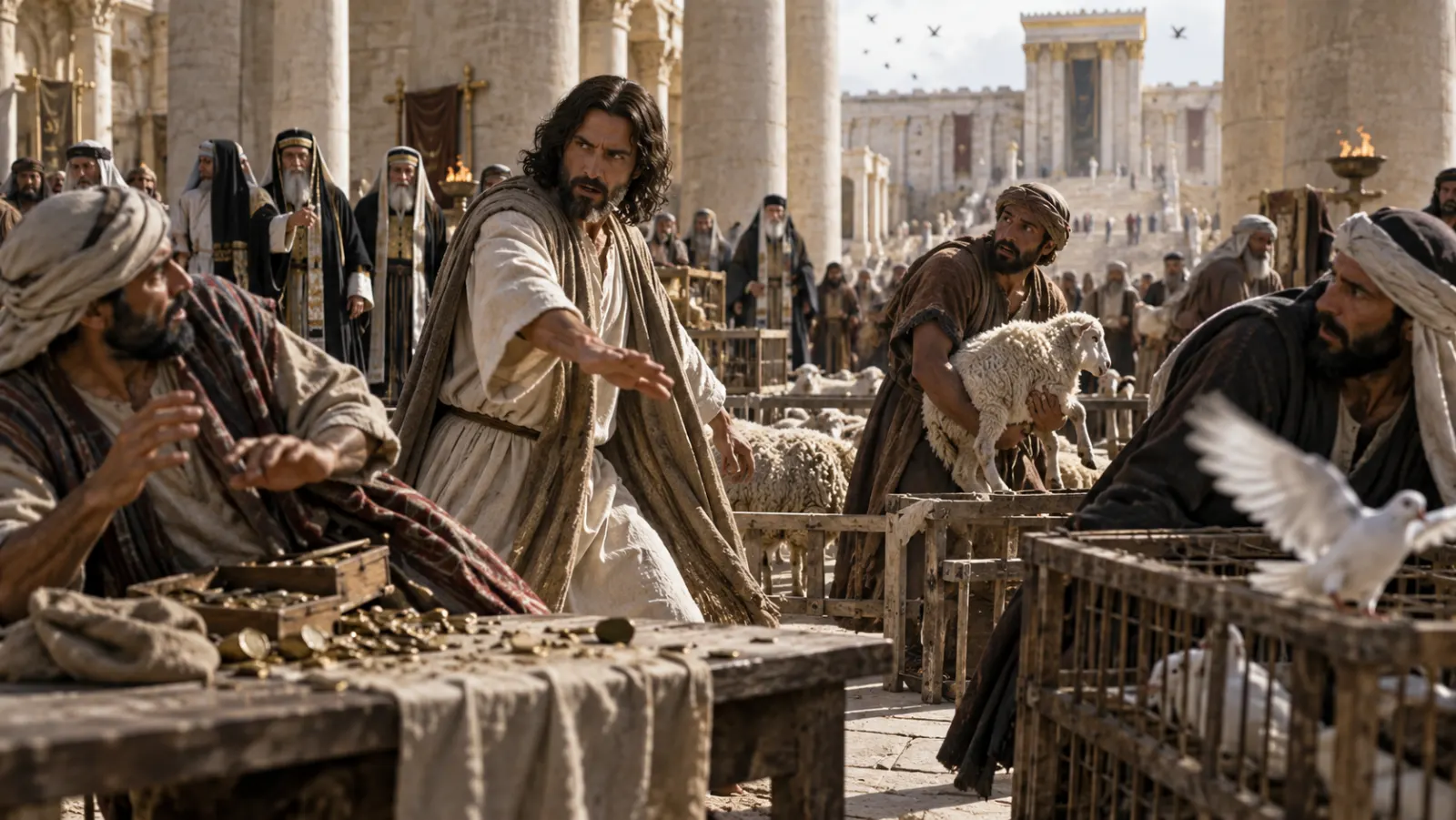
Did Jesus Cleanse the Temple Once or Twice? John and the Synoptics
The Gospels agree that Jesus dramatically challenged commercial activity in the Temple. They differ over where that event stands in the story of his ministry, and responsible readers should distinguish possible harmonization from what can be known with confidence.
Read the article →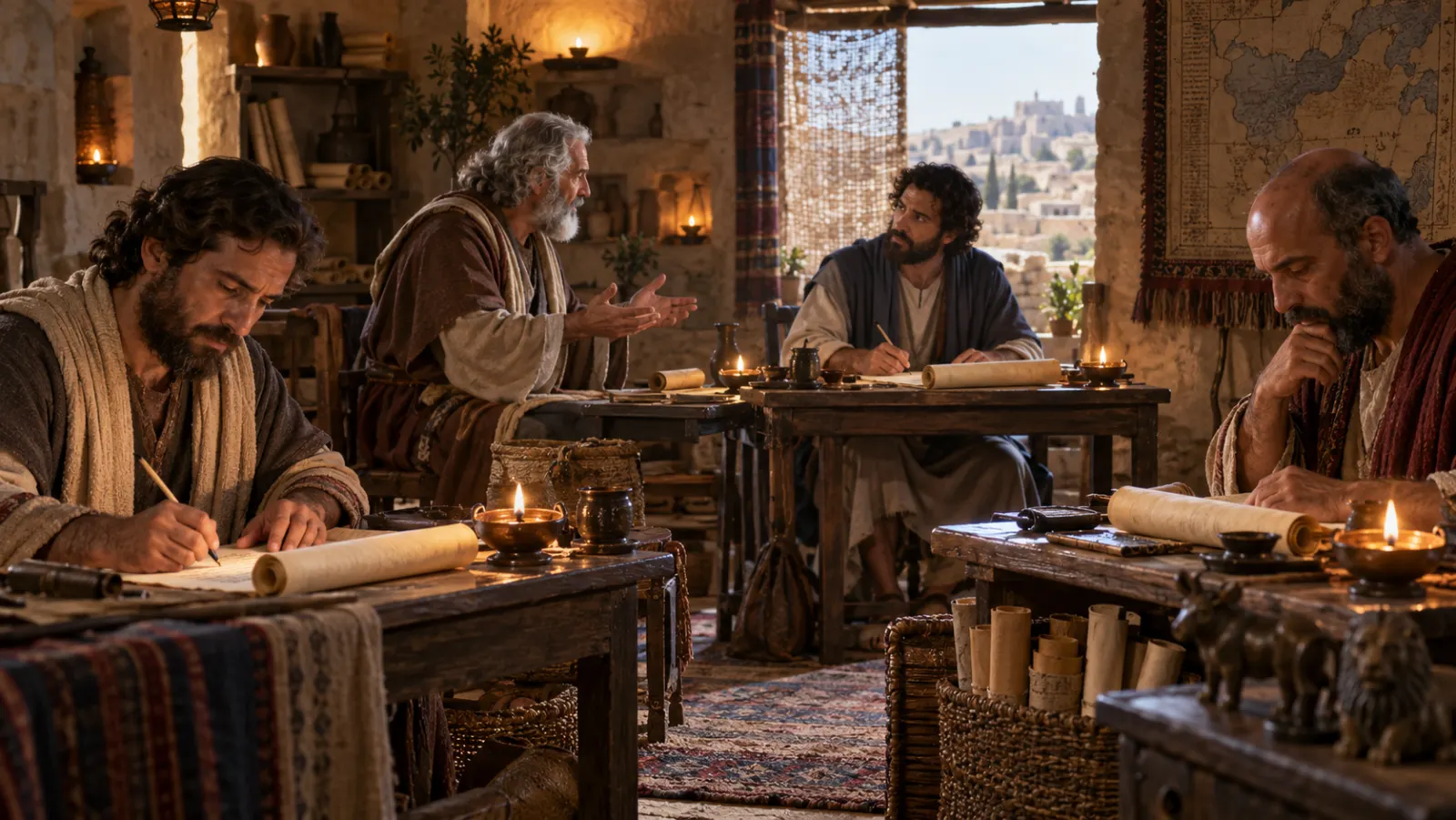
Do Gospel Differences Mean Contradictions? A Better Way to Read Four Witnesses
The four Gospels regularly vary in selection, order, wording, and emphasis. Responsible harmony asks whether those differences truly conflict, what each writer is trying to communicate, and where the evidence leaves room for more than one reconstruction.
Read the article →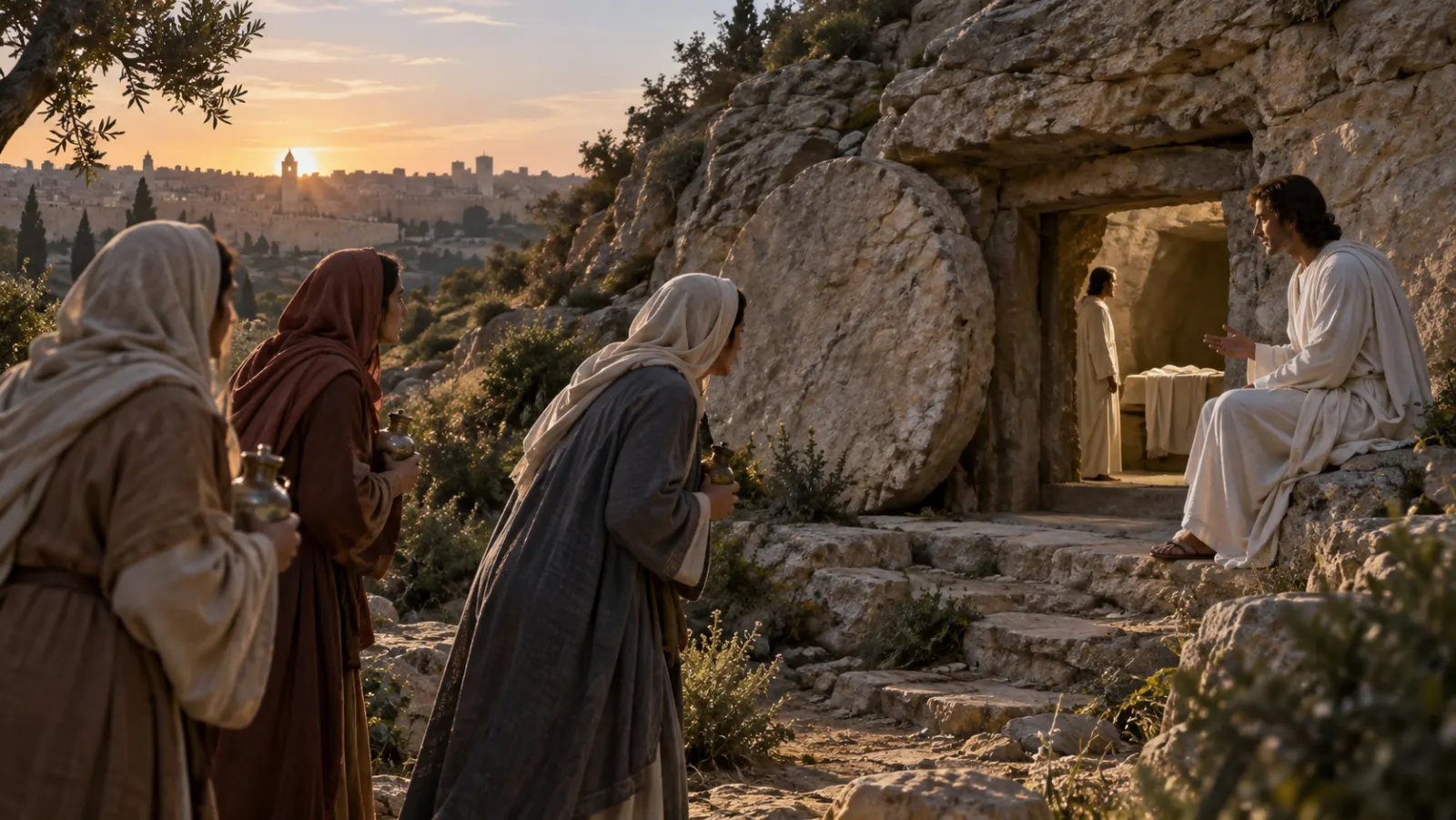
How Many Angels Were at the Empty Tomb? What the Resurrection Accounts Actually Say
The empty-tomb stories emphasize different messengers and moments. None gives a complete camera-angle transcript, and the central agreement—the tomb was found empty and Jesus was announced as risen—remains clear.
Read the article →
One Miracle, Four Camera Angles: What the Feeding of the 5,000 Shows About Gospel Harmony
The four feeding accounts agree on the central event but highlight different conversations, locations, participants, and theological meanings. Their variation shows what complementary testimony actually looks like.
Read the article →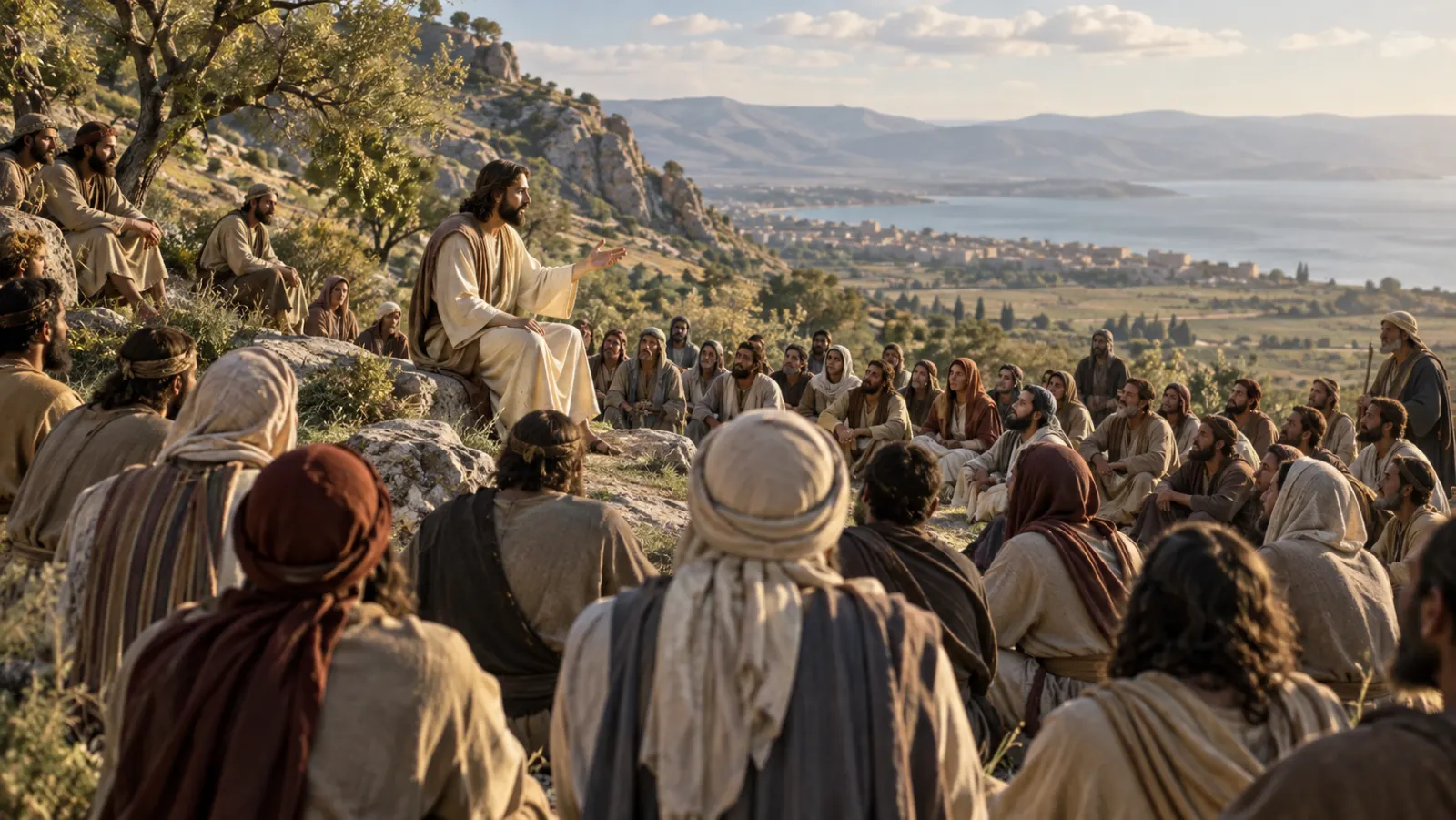
Sermon on the Mount or Sermon on the Plain? Did Jesus Give the Same Teaching Twice?
Matthew 5–7 and Luke 6 contain overlapping sayings with different settings and emphases. Several historical reconstructions are possible, but the literary purposes of Matthew and Luke are clear enough to study without forcing a single answer.
Read the article →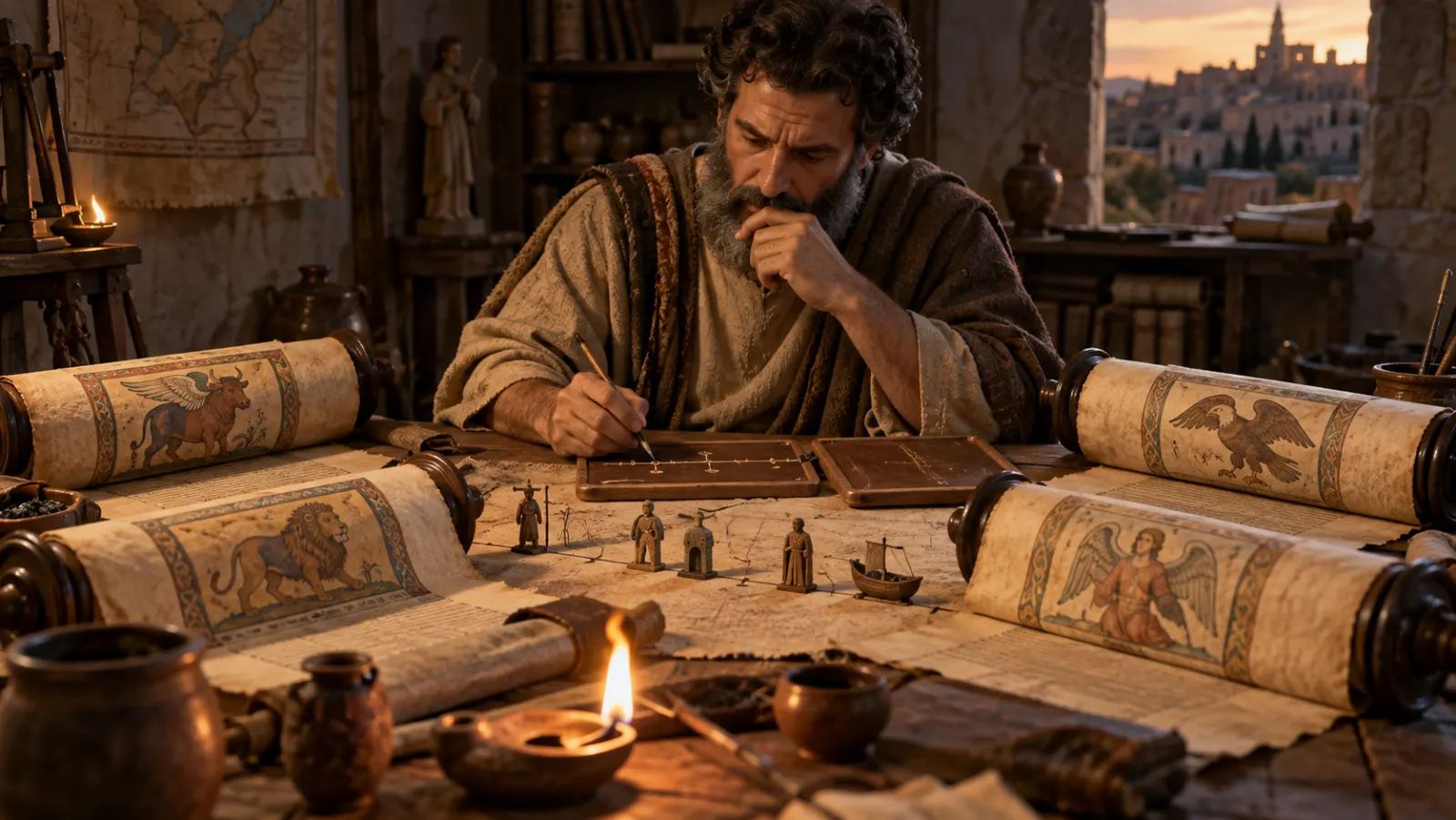
Should We Build One Mega-Gospel? What We Gain—and Lose—When We Harmonize Jesus’ Life
Gospel harmonies are useful tools when they make comparison easier. They become harmful when the composite story replaces Matthew, Mark, Luke, and John as distinct canonical witnesses.
Read the article →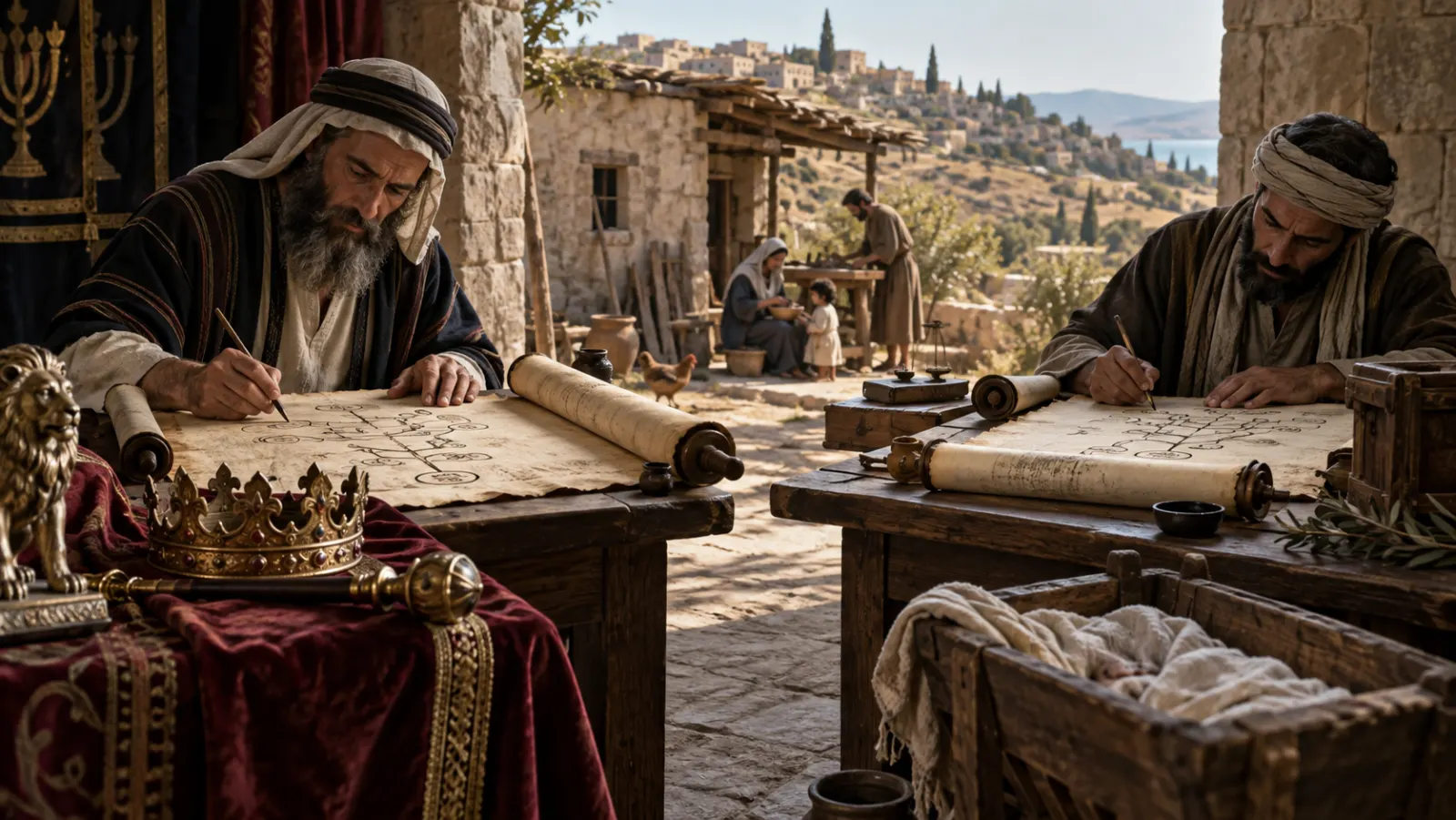
Two Genealogies, Two Family Trees? Matthew and Luke on Jesus’ Ancestry
Matthew and Luke use genealogies to make theological and historical claims about Jesus. Several harmonizations have been proposed, but the texts themselves do not explain the divergence explicitly.
Read the article →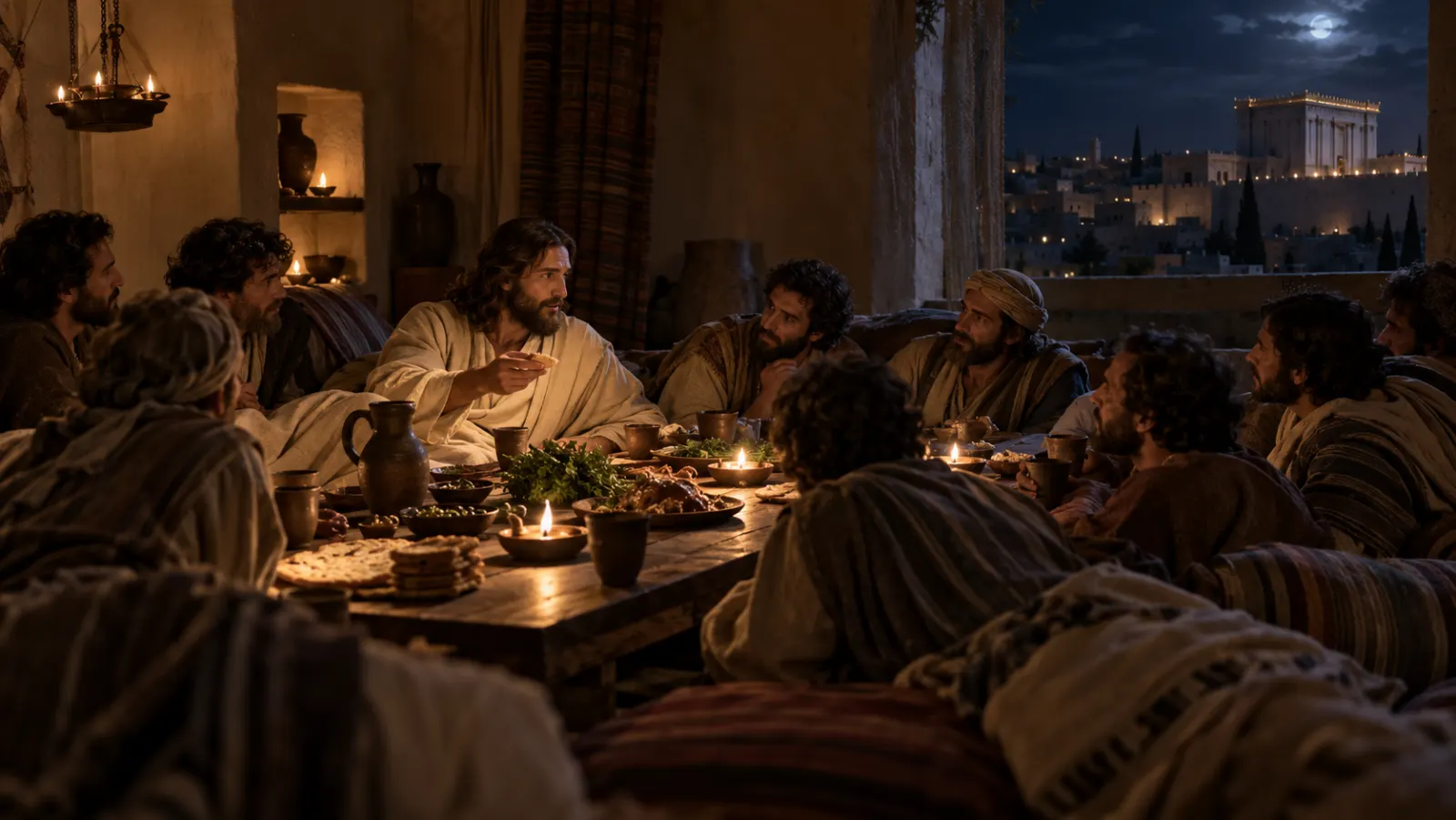
Was the Last Supper a Passover Meal? John and the Synoptics on Holy Week
The Last Supper chronology is one of the hardest Gospel-harmony questions. Several serious proposals exist, and no responsible solution should erase the theological point each Gospel makes with Passover imagery.
Read the article →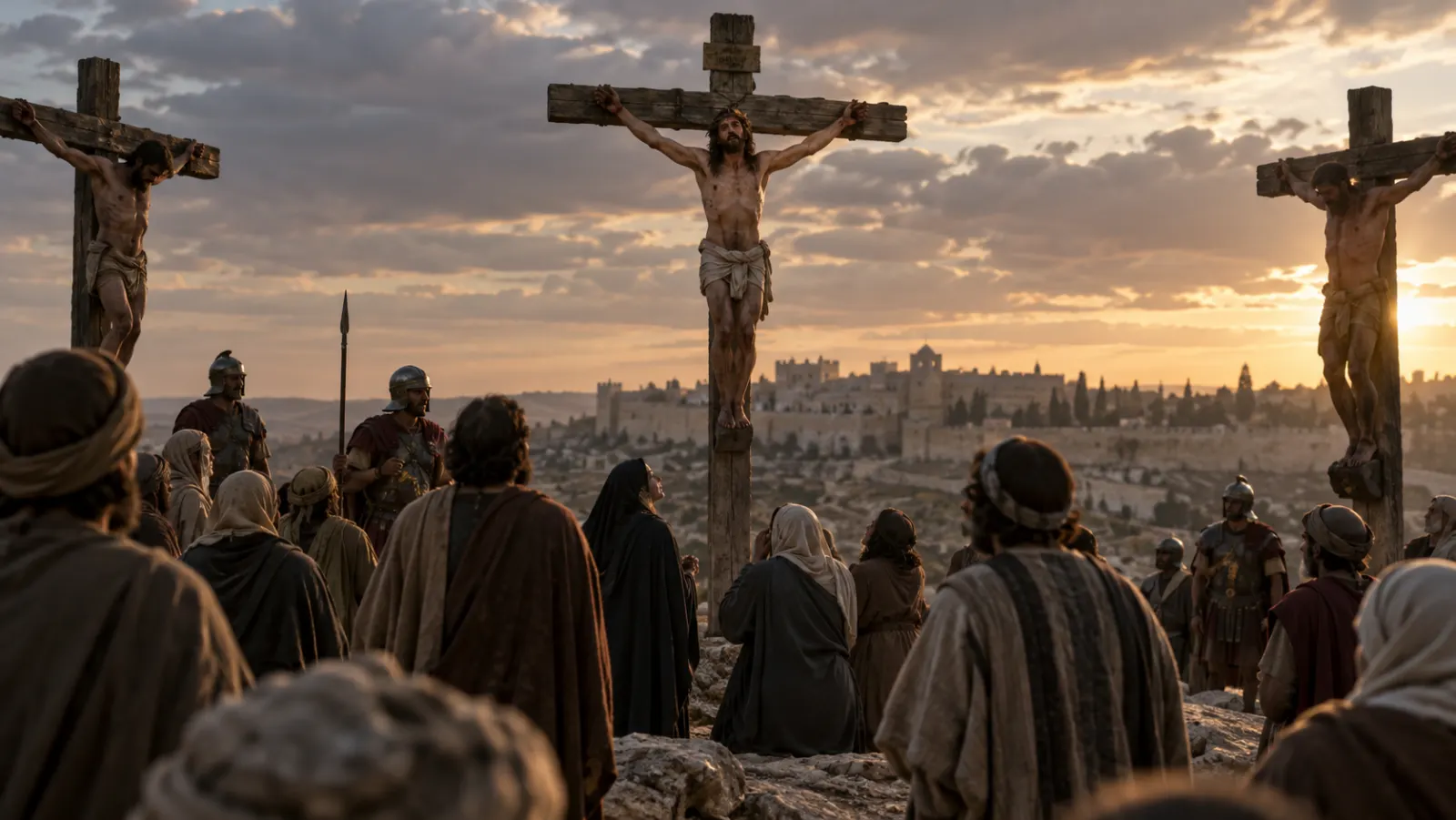
What Were Jesus’ Last Words on the Cross? Why the Gospels Preserve Different Sayings
The different sayings from the cross show how Gospel harmony can enrich devotion when it preserves each evangelist’s emphasis instead of pretending every account is a transcript.
Read the article →
Why Are Matthew, Mark, and Luke So Similar? The Synoptic Problem Without the Jargon
Matthew, Mark, and Luke overlap so closely that some form of literary relationship is widely accepted. The debate concerns the direction of dependence and possible sources—not whether the Holy Spirit could work through ordinary historical means.
Read the article →