
Repentance, Faith & Salvation

“Born Again”: What Jesus Meant and Why the Phrase Still Matters
Few Christian phrases are as familiar and as misunderstood in American culture as 'born again.' For some, it suggests intense religious emotion. For others, it evokes a particular subculture, political constituency, or style of testimony. But the phrase does not originate in modern branding. It c…
Read the article →
Can Good People Be Saved? Grace, Moral Effort, and a Question Americans Still Ask
The question 'Can good people be saved?' sounds reasonable, compassionate, and almost self-answering in many American settings. We know decent neighbors, sacrificial parents, honest coworkers, and volunteers who serve quietly without fanfare. If God is good, shouldn’t such people be fine? The que…
Read the article →
The Cross and Salvation: Why Forgiveness Is More Than God “Just Letting It Go”
Modern people often assume forgiveness means deciding to move on. In personal relationships, that intuition can capture something real: a refusal to keep replaying an offense forever. But when the Bible speaks about salvation, it insists that forgiveness is more than divine forgetfulness or a cos…
Read the article →
How Do I Know I’m Saved? Looking to Christ Instead of Endless Self-Inspection
Few questions are more searching than this one: how do I know I’m saved? It can be asked in very different tones. Sometimes it comes from spiritual curiosity. Often it comes from fear, especially after failure, during seasons of doubt, or in traditions where assurance has been handled clumsily. T…
Read the article →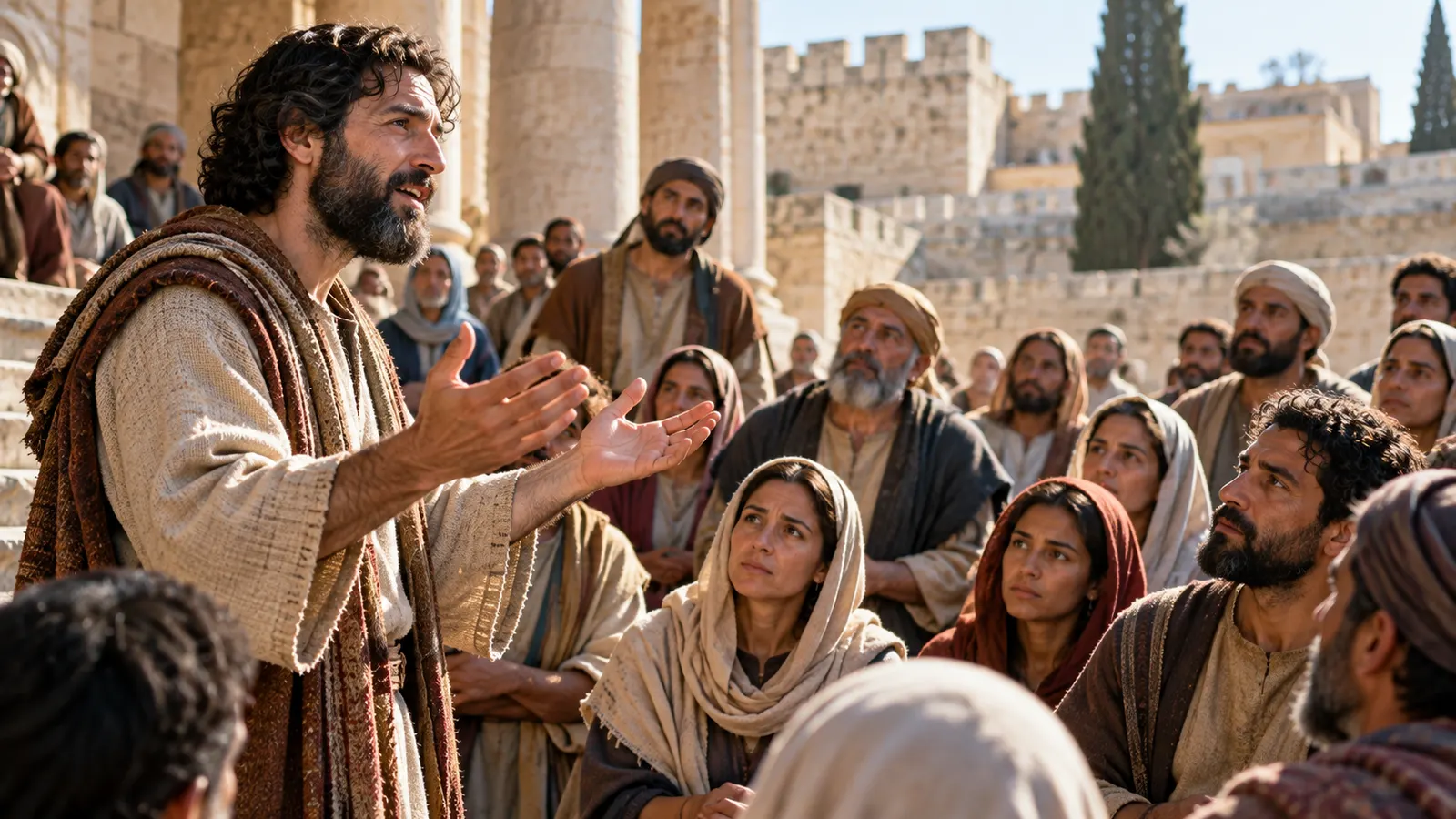
Repentance Is More Than Feeling Bad: What It Means to Turn to God
Americans often use the word repentance to describe feeling guilty after a mistake. In Scripture, however, repentance is larger and more hopeful than that. It includes sorrow for sin, but it does not end in sorrow. Repentance is a change of mind and heart that leads to a change of direction, a tu…
Read the article →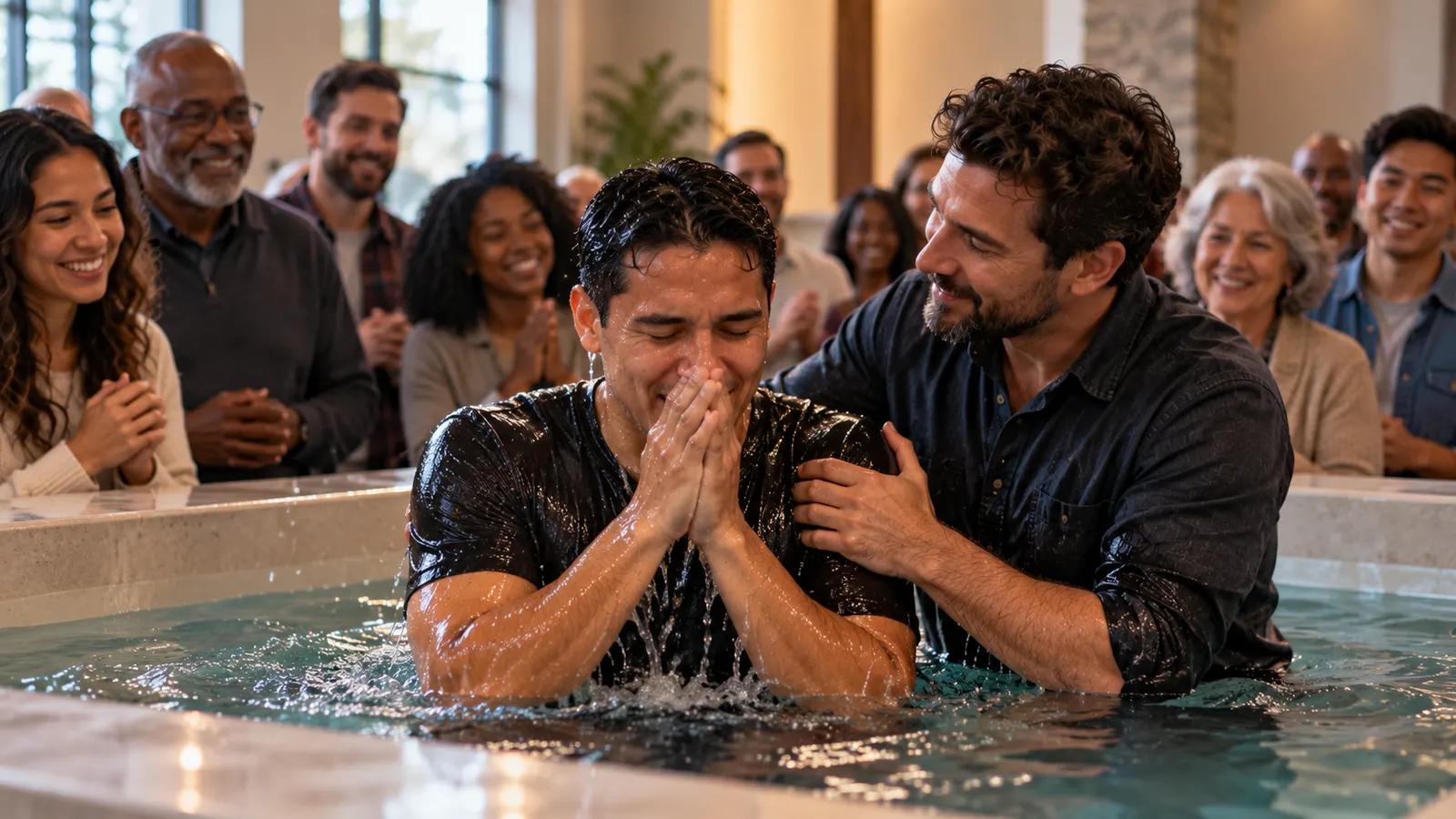
Is Salvation a One-Time Decision or a Lifelong Journey?
In American evangelical culture, people sometimes speak as though salvation is either a one-time decision or a lifelong journey, as if those options were mutually exclusive. The first phrase emphasizes conversion. The second emphasizes discipleship and perseverance. The Bible, however, is comfort…
Read the article →
Saved by Grace Through Faith: Why Christianity Is Not a Self-Improvement Program
Much of American life runs on the logic of self-improvement. We are urged to optimize our bodies, curate our habits, unlock our potential, and become better versions of ourselves. That cultural air seeps easily into religion. Christianity then sounds like another improvement plan: try harder, bec…
Read the article →
What Happens When Faith Feels Weak? Assurance Without Pretending Doubt Does Not Exist
Many Christians assume that real faith should feel steady, clear, and emotionally persuasive almost all the time. When fear, intrusive questions, or a sense of spiritual weakness arrives, they conclude that faith has failed or perhaps was never real. That response is common, but it is not the way…
Read the article →
What Does It Mean to Believe in Jesus? More Than Agreeing That He Exists
Many Americans say they believe in Jesus, but the phrase can mean very different things. Some mean they believe Jesus was a historical figure. Others mean they admire his teaching or feel positively disposed toward Christianity. Still others mean that, in times of crisis, they instinctively think…
Read the article →
Why Christians Still Repent After Conversion
Some Christians worry that ongoing repentance undermines the certainty of salvation. If Jesus has already saved us, why keep confessing sin? Others move in the opposite direction, assuming that grace makes repeated repentance unnecessary. Both instincts misunderstand the pattern of the Christian …
Read the article →