Short-term mission trips are easy to praise and easy to mock. At their best, they deepen long-term partnerships, expose Christians to the global church, provide needed skills, support local ministry, and form people who keep serving after they return home.…
Short-term mission trips are easy to praise and easy to mock. At their best, they deepen long-term partnerships, expose Christians to the global church, provide needed skills, support local ministry, and form people who keep serving after they return home. At their worst, they consume local leaders’ time, perform work residents could do better, create dependency, photograph vulnerable people, and center the visitor’s spiritual experience.
The useful question is not whether every short-term trip is good or bad. It is whether a particular trip has been designed around the long-term good of the receiving community and church. Decades of mission practice have produced standards that move the conversation beyond intention. Good motives matter, but humility requires asking whether the people hosting the trip agree that the project is actually helpful.
Begin with the host’s priorities, not the visitor’s idea
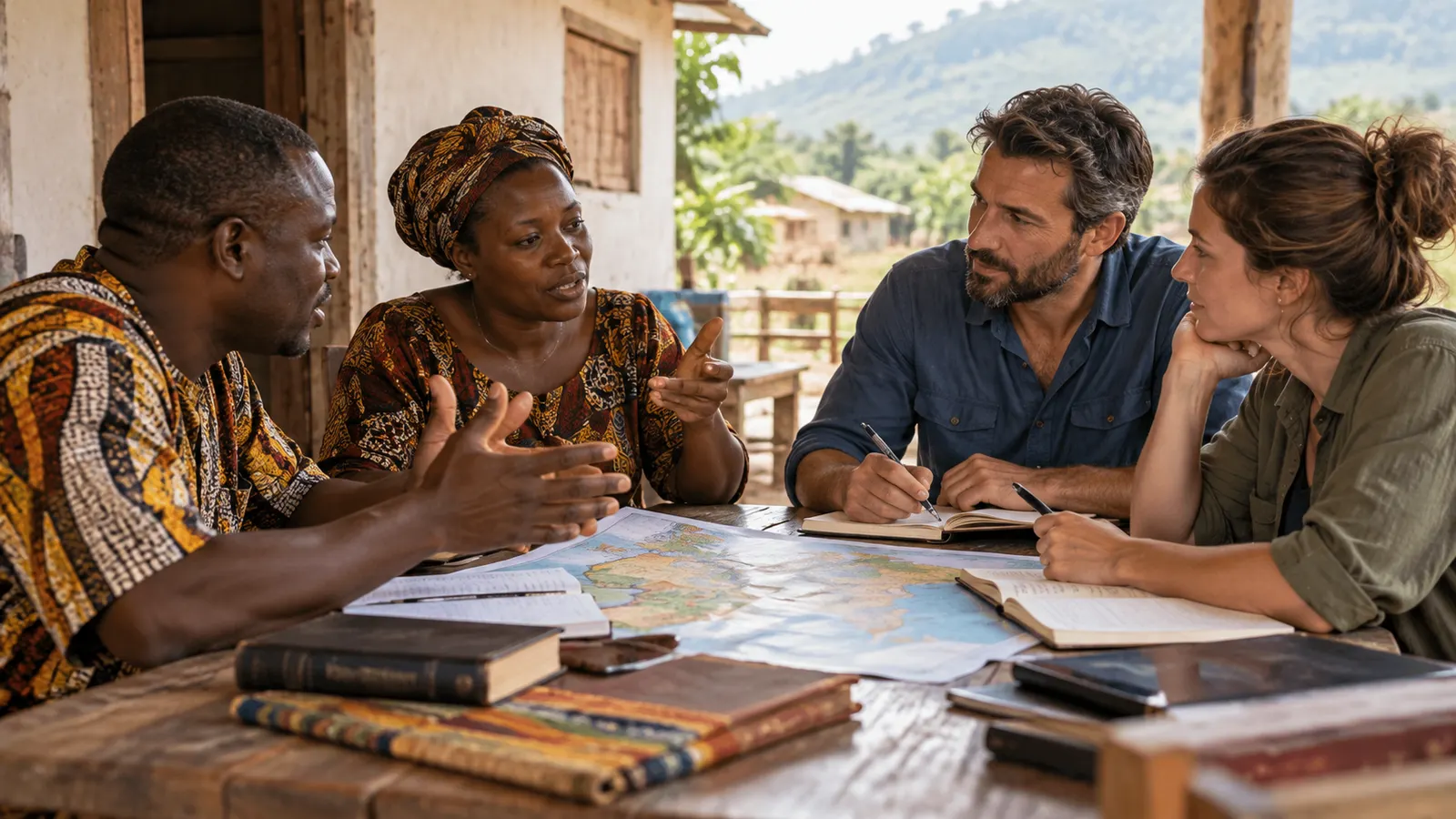
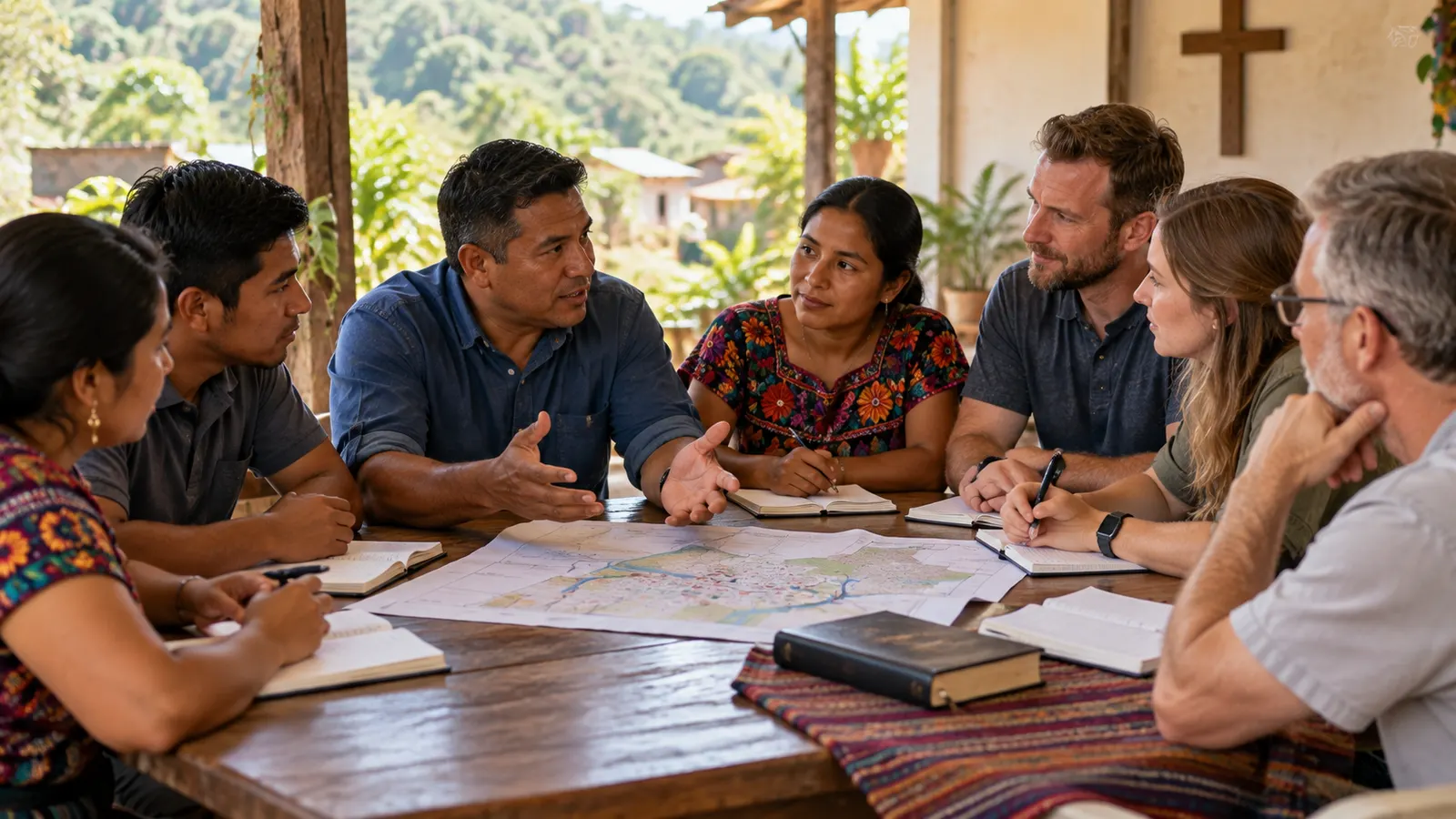
A common mistake happens before anyone buys a ticket: the sending church decides what it wants to do and then looks for a place to do it. That reverses healthy partnership. Standards of Excellence in Short-Term Mission emphasize empowering partnerships and mutual design, meaning that hosts and senders plan together and that the intended beneficiaries, not the visiting team, remain central.
Practically, that may mean the glamorous idea disappears. A church might imagine building a structure while local leaders ask for teacher training, transportation funds, childcare for a conference, or simply money to hire local workers. The visiting team has to decide whether it came to serve a partner’s mission or to fulfill its own picture of what a mission trip should feel like.
Do not perform work you are not qualified to do at home
Good intentions do not turn an amateur into an electrician, counselor, contractor, medical professional, or child-development specialist. Short-term teams sometimes relax standards overseas that they would never relax in the United States. That can create physical danger, poor-quality work, and liability for local partners who remain after the visitors leave.
Competence is a form of neighbor-love. If a project requires technical skill, send people who have it or fund qualified local professionals. If the useful role is unskilled labor, make sure local leaders actually want volunteers doing that labor. A team may discover that its greatest contribution is not doing the visible task but paying local workers, learning from them, and supporting a long-term ministry already in place.
Children and vulnerable people require stronger boundaries
Mission trips involving orphanages, schools, hospitals, refugees, or other vulnerable populations create special responsibilities. Faith to Action and other child-protection advocates have warned against volunteer patterns that encourage repeated short-term attachments to children or sustain residential-care models when family-based care is preferable. A visitor’s desire for meaningful contact cannot override a child’s need for safety and stability.
Photography deserves similar care. A person receiving food, medical treatment, or pastoral care is not mission-trip scenery. Consent should be meaningful, and local partners should guide what is appropriate. Churches should be especially cautious about posting children’s images, names, health conditions, or traumatic stories online. The fact that a story motivates donors does not give a visitor ownership of someone else’s vulnerability.
Count the full cost, including what the same money could do locally
International travel is expensive. That does not automatically make it wasteful; relationships sometimes require physical presence, and trained teams can provide real value. But stewardship asks comparison questions. If ten travelers spend tens of thousands of dollars, what could the local partner accomplish with the same amount? Would the best outcome be a smaller trained team, a longer stay, or financial support without travel this year?
Those questions are not cynical. They make generosity more intelligent. A trip may still be worth the cost because partnership, training, mutual learning, and long-term relationship cannot be reduced to a spreadsheet. But churches should be able to explain the purpose without relying on the vague claim that “our people will be changed.” The host community is not a backdrop for the visitor’s transformation.
Prepare before the trip and debrief after it
MissionExcellence’s standards emphasize training, qualified leadership, administration, and follow-through for good reason. Cross-cultural work requires more than a packing list and a devotional booklet. Teams need orientation to local history, culture, theology, safeguarding, language basics, expectations, team conflict, photography, money, and the goals defined by partners.
Debriefing matters because a week of intense experience can produce quick conclusions: “They were so poor but so happy,” “Americans do church wrong,” or “I finally found my purpose.” Leaders can help participants replace stereotypes with more careful reflection. What did local Christians teach us? What assumptions were exposed? What commitments should continue six months from now? A short trip becomes healthier when it is connected to a long obedience.
A good trip strengthens work that continues after the team leaves
The clearest test of a short-term project may be what remains after the airport goodbye. Are local leaders stronger or more exhausted? Did the work fit a long-term strategy? Were promises kept? Did the team create new financial or relational burdens? Is there a plan for communication, evaluation, and future partnership that does not depend on sentimental memories?
The best short-term missions are often less dramatic than promotional videos suggest. They are well planned, host-led, appropriately skilled, transparent about money, cautious with vulnerable people, and humble enough to change plans. They may produce fewer heroic photographs. They are more likely to honor the people Christians say they came to serve.
The return home is part of the mission experience
A short-term trip can create emotional intensity that makes ordinary life feel flat afterward. Participants may want to change careers immediately, criticize their home church, or reproduce practices they observed without understanding their context. Good leaders prepare teams for reentry before the flight home. They normalize mixed emotions and warn against turning a week of exposure into instant expertise.
Follow-through can include a scheduled debrief a month later, continued prayer for partners, financial commitments, language study, local service, or a decision not to return unless the host requests it. The measure of a trip is not how moved people felt on the final night. It is whether the experience produces more truthful, humble, durable discipleship and strengthens the relationship that made the trip possible.
Sometimes the faithful decision is not to go
Churches should be able to cancel or redesign a trip without feeling that mission has failed. A security situation may change. A host church may become overwhelmed. Travel costs may make direct funding more useful. The team may lack the skills required. A natural disaster may require professional responders rather than volunteers. Saying no can be an act of service when going would create burden.
That flexibility reveals whether the trip serves the partnership or the partnership serves the trip. If flights, fundraising, and expectations make cancellation emotionally impossible, the project has already gained too much power. Healthy mission keeps the goal larger than the itinerary. The question is not, “How do we preserve our trip?” but, “What would best serve Christ’s people and their neighbors now?”
Short-term missions can be worthwhile, but Christian language does not exempt them from evaluation. Philippians 2 calls believers to look not only to their own interests but also to the interests of others. That command applies to the design of a trip as much as to behavior on the field.
Before asking, “Will this change our team?” a church should ask, “Did our partners request this, help design it, and judge it useful?” When the receiving church can answer yes, the trip has a much better chance of becoming what mission should be: shared service under Christ rather than religious tourism with a benevolent label.