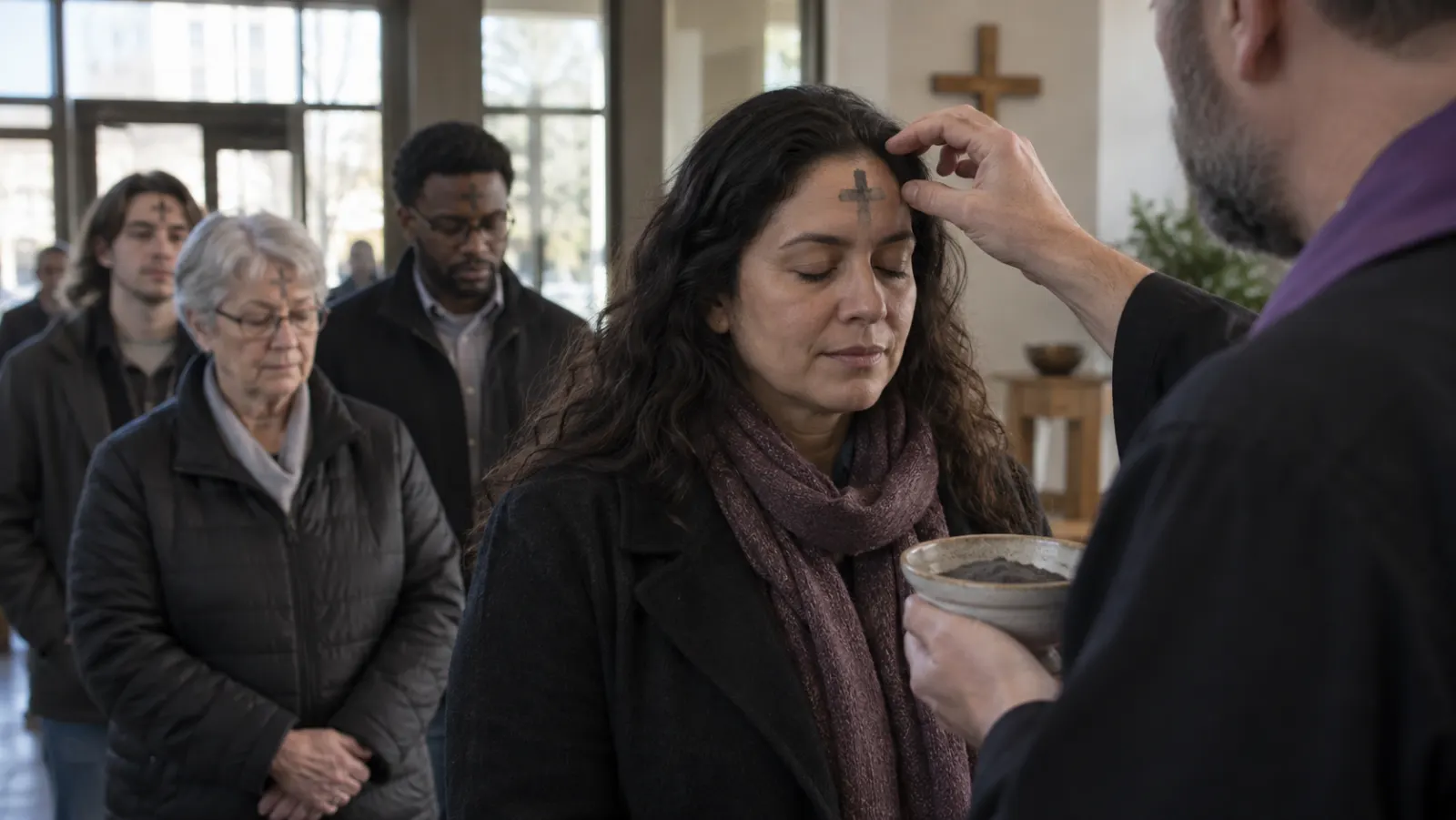
Even churches that avoid the traditional Christian calendar live by powerful seasons. The question is which story our schedules rehearse.
A congregation can reject robes, candles, and the word liturgy and still organize its life around a demanding calendar. August means backpacks and promotion Sunday. Fall means football, small groups, and a harvest festival. December accelerates into concerts, travel, shopping, and Christmas services. January brings resolutions; spring brings tournaments, testing, Easter, and graduation. Time is never empty. It arrives already labeled by schools, employers, sports leagues, retailers, and family expectations.
The historic Christian calendar is not commanded in the New Testament as a condition of salvation. Christians disagree in good conscience about days, and Paul warns believers not to judge one another over their observance. Yet a calendar can still be a wise teacher. Advent, Christmas, Epiphany, Lent, Easter, Pentecost, and ordinary time give a congregation repeated opportunities to inhabit the story of Christ instead of treating it as scattered information.
Calendars make promises
A calendar does more than reserve hours. It tells us what to anticipate and what to fear missing. Retail seasons promise renewal through purchases; sports seasons promise belonging through a team; academic calendars promise progress through achievement. Those goods can be received gratefully, but they become harsh masters when every household must keep pace. A church calendar asks different questions: What has God done? What are we waiting for? Which griefs may be named, and which gifts should be celebrated together?
Israel learned through seasons
Leviticus 23 places weekly rest and annual feasts inside Israel's covenant life. These days remembered liberation, harvest, dependence, repentance, and God's provision. Christians should not appropriate Israel's festivals carelessly, but their presence teaches that biblical faith is not timeless abstraction. God forms a people through remembered acts and repeated practices that involve bodies, work, land, meals, and memory.
A map, not a merit system
No season earns grace, and no color on a sanctuary wall makes a congregation mature. The calendar is useful when it points beyond itself. Advent teaches waiting; Christmas announces incarnation; Lent makes room for repentance; Easter extends resurrection joy; Pentecost remembers the Spirit's gift and mission. When a season becomes performance, nostalgia, or denominational superiority, the map has begun to hide the destination.
American schedules require realism
A calendar designed for a monastery will not fit a nurse working nights, a single parent managing two school systems, or a teenager traveling for weekend games. Churches should resist turning observance into another contest for the well organized. Offer practices at more than one time, provide short home resources, and tell families that missing an event does not mean missing God. Formation becomes credible when it respects actual limits.
Plan backward from formation
Before adding services, leaders can name the desired fruit. If Advent should cultivate patient hope, a frantic schedule defeats the lesson. If Holy Week should make room for the cross, volunteers should not leave exhausted and resentful. If Easter proclaims hospitality, accessibility and transportation belong in the plan. The calendar should coordinate preaching, music, care, children, outreach, and rest around a shared purpose rather than multiply unrelated events.
Start modestly
A church does not need to adopt every feast at once. Begin with a few seasons, explain them without insider language, and connect each to Scripture. Keep what serves the congregation and revise what becomes hollow. The aim is not to imitate a cathedral or win approval from tradition-minded Christians. It is to give ordinary people a truthful rhythm of remembrance, repentance, celebration, and mission amid calendars already competing for their love.
Questions to carry into community
A responsible community conversation can begin with this question: Which dates organize our congregation's emotions and spending? It need not be answered quickly or turned into a test of belonging. Listen to people who live with the consequences, separate a biblical claim from a local custom, and name what information is still missing. Then identify one modest step, a responsible person, and a date for review. A church holiday becomes formative when its meaning takes accountable, correctable shape in ordinary life.
The question also has to reach the calendar and budget: Where does our schedule contradict the fruit we say we want? People with different histories, work schedules, and family situations may answer differently. Those differences deserve attention before leaders decide. Checking facts, seeking consent, and consulting people with relevant knowledge keeps a good intention from causing preventable harm. The church need not solve everything in one meeting, but it can state what it knows, what boundary it will protect, and how it will report back.
To keep reflection from becoming a slogan, ask: Which Christian season would help our community hear the whole story of Jesus? The most faithful answer may not be the most impressive one. It may require reducing a program, moving money, hearing an objection, or admitting an uncomfortable history. Christian practice becomes concrete when it includes capacity, safety, vulnerable people, and freedom of conscience. Prayer, study, and evaluation belong together; none excuses the absence of the others.
A responsible community conversation can begin with this question: Who is excluded by the times and expectations of our events? It need not be answered quickly or turned into a test of belonging. Listen to people who live with the consequences, separate a biblical claim from a local custom, and name what information is still missing. Then identify one modest step, a responsible person, and a date for review. A church holiday becomes formative when its meaning takes accountable, correctable shape in ordinary life.
The question also has to reach the calendar and budget: What could we remove so our celebrations become more faithful? People with different histories, work schedules, and family situations may answer differently. Those differences deserve attention before leaders decide. Checking facts, seeking consent, and consulting people with relevant knowledge keeps a good intention from causing preventable harm. The church need not solve everything in one meeting, but it can state what it knows, what boundary it will protect, and how it will report back.
One final check
Before closing “You Already Have a Liturgical Calendar,” the community can return to Ecclesiastes 3:1–8 and summarize the difference between what the text claims, a reasonable inference, and a local application. That distinction protects biblical authority from our preferences. It is also wise to hear from someone directly affected and someone with relevant practical knowledge. A small, reviewable decision often serves people better than a grand promise with no owner, resources, or follow-through.
When reviewing church calendar, include people often absent from the planning room: shift workers, households with limited income, children, older adults, and people formed by a different tradition. Their observations may reveal costs the team cannot see. Documenting the decision, explaining why it was made, and opening a way to report problems turns goodwill into institutional care. If the practice does not produce the fruit leaders expected, changing it is not betrayal. It may be humble obedience.
Every church already has sacred times, even if no one calls them sacred. Budget deadlines, rivalry games, patriotic weekends, and shopping seasons can quietly preach louder than Sunday. Naming that power is the beginning of freedom.
The Christian calendar is best received as an invitation, not a badge. Used humbly, it lets the life of Jesus interrupt the national and commercial stories that schedule us. The goal is not to live outside ordinary American time, but to live in it as people whose deepest season is the reign of Christ.